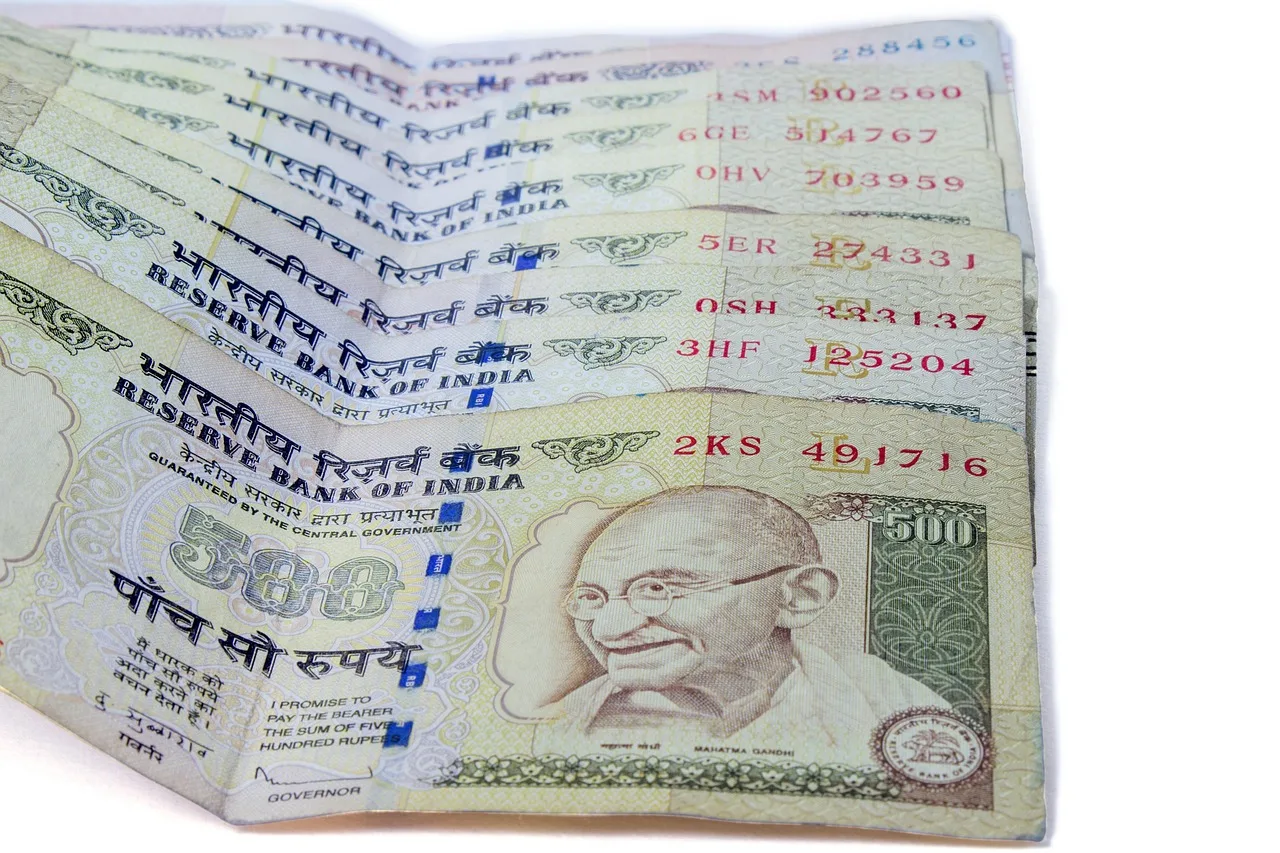





India and Uzbekistan are poised to significantly deepen their economic relationship with the recent finalization of a new Bilateral Investment Treaty (BIT), a move anticipated to substantially boost trade, protect foreign direct investments, and foster closer strategic ties between the two nations. This agreement, building on a long-standing partnership, aims to elevate India’s position as one of Uzbekistan’s top trading partners by creating a more secure and predictable investment environment across various sectors.
Forging Stronger Foundations
The relationship between India and Uzbekistan spans decades, characterized by cultural exchange, strategic alignment, and growing economic engagement. India currently ranks among Uzbekistan’s top ten trading partners, with bilateral trade encompassing diverse goods from pharmaceuticals and machinery to agricultural products. However, investment flows, while present, have often faced regulatory complexities and perceived risks, which the new BIT is specifically designed to address.
A Bilateral Investment Treaty is an international agreement establishing terms and conditions for private foreign direct investment by nationals and companies of one state in another state. Its primary purpose is to protect investments, ensuring fair and equitable treatment, protection against expropriation without compensation, and providing mechanisms for dispute resolution, thereby reducing investor risk and encouraging cross-border capital flow.
Key Provisions and Economic Impact
The newly negotiated BIT introduces a robust framework designed to safeguard investments from both sides. Key provisions include national treatment and most-favored-nation treatment clauses, ensuring investors are treated no less favorably than domestic investors or those from any other third country. Furthermore, it outlines clear procedures for compensation in cases of expropriation, guarantees the free transfer of funds related to investments, and establishes an accessible international arbitration mechanism for dispute settlement.
Analysts predict this treaty will unlock significant potential for Indian companies looking to expand into the Central Asian market and for Uzbek firms seeking Indian capital and expertise. Sectors poised for immediate growth include pharmaceuticals, where India is a global leader, as well as information technology, automotive manufacturing, textiles, and renewable energy. Uzbekistan, with its rich natural resources and strategic geographical location, offers lucrative opportunities for Indian investment in mining, agriculture, and infrastructure development, including connectivity projects under India’s “Connect Central Asia” policy.
According to data from the Ministry of Commerce and Industry, bilateral trade between India and Uzbekistan stood at approximately $500 million in 2023. While this represents a steady increase, officials from both governments have expressed aspirations to significantly multiply this figure over the next five years, with the BIT serving as a critical catalyst. “This treaty sends a clear signal to investors that their assets will be protected, fostering an environment of trust and predictability,” stated a representative from India’s Ministry of External Affairs during a recent briefing, emphasizing the mutual benefits.
The agreement also aligns with Uzbekistan’s broader economic reform agenda, which seeks to attract foreign investment and diversify its economy beyond traditional sectors. For India, the treaty strengthens its economic footprint in a strategically vital region, supporting its ambitions for greater regional connectivity and influence.
Expert Perspectives and Data Points
Dr. Rohan Sharma, a senior economist specializing in Central Asian economies at the Delhi Policy Group, highlighted the treaty’s significance. “The India-Uzbekistan BIT is more than just a legal document; it’s a statement of intent. It provides the legal certainty that has often been a missing link for many Indian investors apprehensive about venturing into new markets. We expect to see a surge in exploratory missions and eventually concrete investment proposals, particularly in high-growth sectors like digital infrastructure and value-added manufacturing,” he commented.
Historical data indicates that countries with robust BITs often experience higher foreign direct investment inflows. For instance, similar treaties signed by India with other developing economies have, on average, led to a 15-20% increase in bilateral investment flows within the first three to five years post-ratification, according to a report by the UN Conference on Trade and Development (UNCTAD) on investment treaties.
Furthermore, the treaty is expected to streamline bureaucratic processes, enhance transparency, and provide a more level playing field for foreign investors, addressing some of the historical challenges faced by businesses operating across borders. This institutional strengthening is crucial for sustainable long-term economic partnership.
Forward-Looking Implications
The ratification and subsequent implementation of the India-Uzbekistan Bilateral Investment Treaty mark a pivotal moment in their bilateral relations. For businesses, this translates into reduced risk, enhanced legal protection, and a clearer pathway for cross-border investments. It is anticipated to stimulate job creation, facilitate technology transfer, and foster greater economic integration between South and Central Asia.
Moving forward, stakeholders will be closely watching for the official signing and ratification process, followed by the announcement of specific investment projects and trade agreements that capitalize on the treaty’s provisions. The success of this BIT could also serve as a blueprint for India’s engagement with other Central Asian nations, reinforcing its broader ‘Act East, Connect Central Asia’ policy. The coming months are expected to bring increased diplomatic and business delegations, laying the groundwork for a new era of economic partnership.