





Deepening Regional Economic Integration
India reaffirmed its commitment to regional economic cooperation this week as government officials participated in the latest Indo-Pacific Economic Framework for Prosperity (IPEF) ministerial meeting. The engagement highlights India’s strategic push to bolster supply chain resilience and trade connectivity alongside 13 other partner nations across the Indo-Pacific region.
The Evolution of the IPEF
Launched by the United States in May 2022, the IPEF was designed to establish a flexible economic arrangement rather than a traditional free trade agreement. The framework focuses on four primary pillars: trade, supply chains, clean energy, and fair economy, which includes anti-corruption and tax measures.
The initiative emerged as a response to the shifting geopolitical landscape, aiming to provide an alternative economic architecture in a region increasingly dominated by complex supply chain dependencies. By bringing together 14 economies, including Japan, Australia, South Korea, and various Southeast Asian nations, the IPEF seeks to set high-standard rules for the digital and green economy.
Strategic Objectives and India’s Role
India’s participation is multifaceted, centering on the goal of becoming a global manufacturing hub. By aligning with IPEF standards, New Delhi aims to attract greater foreign direct investment, particularly in sectors looking to diversify production bases away from traditional manufacturing centers.
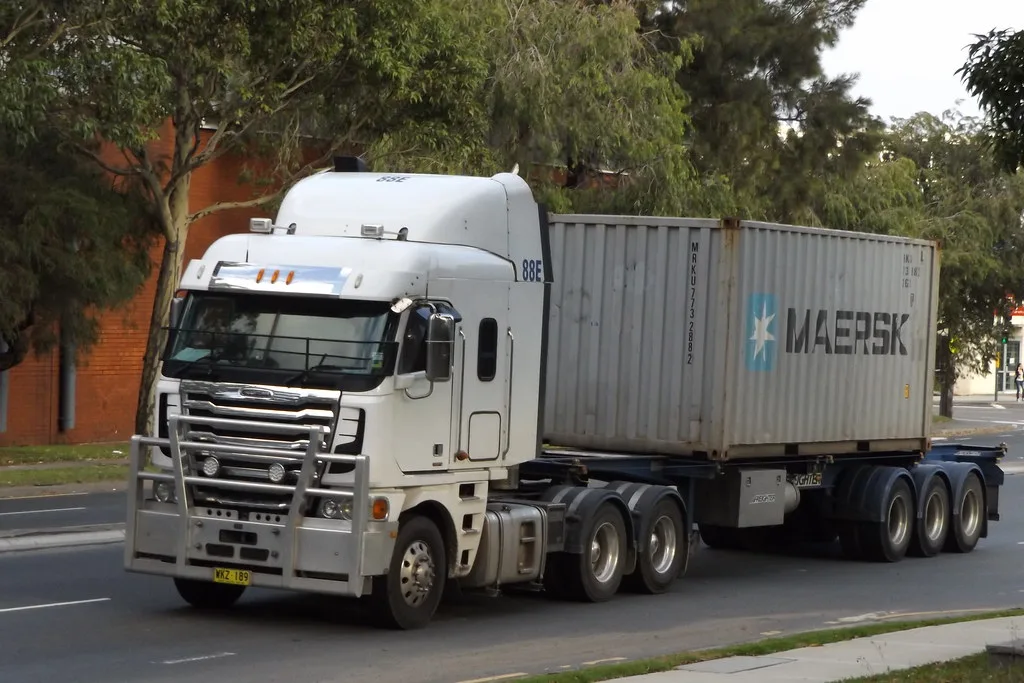
Trade analysts note that India’s involvement is particularly focused on the supply chain pillar. The goal is to create more transparent and secure logistics networks that can withstand global disruptions, a priority highlighted by the volatility seen during the global pandemic.
Furthermore, the clean energy pillar aligns with India’s domestic climate goals. By collaborating on technology transfers and investments in renewable energy, India seeks to accelerate its transition toward a low-carbon economy while maintaining rapid industrial growth.
Expert Perspectives on Regional Cooperation
Economic experts suggest that the IPEF represents a shift toward “minilateralism” in international trade policy. Instead of broad, cumbersome agreements, the framework allows countries to focus on specific economic challenges that require collective action.
According to recent data from the U.S. Department of Commerce, the 14 IPEF partners represent approximately 40 percent of the global GDP. This scale grants the framework significant leverage in setting international standards for emerging technologies and sustainable business practices.
However, critics point out that the lack of market access provisions—a hallmark of traditional trade deals—means the IPEF must prove its value through regulatory harmonization and technical cooperation. The success of the framework will likely be measured by the tangible flow of private capital into the participating nations’ infrastructure and digital projects.
Future Implications for the Indo-Pacific
Looking ahead, the primary challenge for the IPEF will be maintaining momentum as domestic political cycles in member nations evolve. Observers are closely watching for the implementation of the supply chain agreement, specifically how it facilitates the movement of critical minerals and high-tech components.
For global businesses, the ongoing alignment of these 14 nations signals a more predictable regulatory environment in the region. As India continues to integrate its domestic policies with IPEF standards, the country is likely to become a central node in the restructuring of global value chains over the next decade.