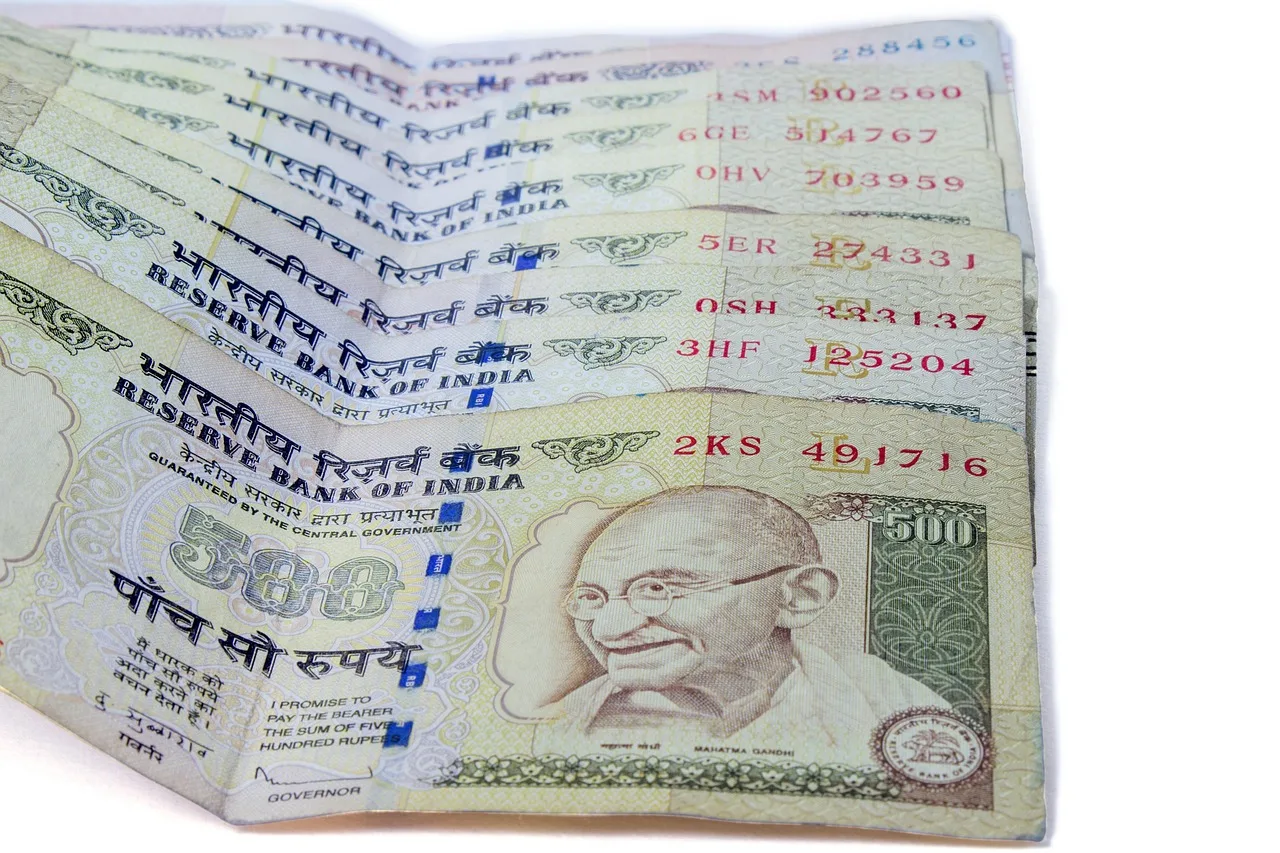




India’s government and central bank are actively managing the economic repercussions of the ongoing West Asia crisis, which has introduced a “cyclical shock” to global energy markets. While RBI Deputy Governor Poonam Gupta stated on Tuesday that oil supply is expected to normalize once the crisis abates, the Ministry of Petroleum and Natural Gas assured the nation on Saturday of uninterrupted fuel supply across India, stepping up contingency measures to mitigate impacts and urging citizens to avoid panic buying.
Understanding the Global Energy Landscape
The West Asia crisis marks the fourth significant external shock to the global economy in the past six years, according to RBI Deputy Governor Poonam Gupta. This geopolitical turbulence has significantly impacted global energy markets, leading to abnormal increases in crude prices and raising concerns about supply chain stability. Despite these international headwinds, India has maintained robust economic growth, with investment playing a crucial role, and the nation’s financial stability is expected to endure. The current situation necessitates proactive governmental intervention to shield consumers and ensure energy security.
Government Ensures Uninterrupted Fuel Supply
The Indian government has moved swiftly to reassure its citizens, emphasizing that 100% supply of Domestic LPG, Domestic PNG, and CNG (Transport) is being maintained. The Ministry of Petroleum and Natural Gas detailed its comprehensive preparedness, highlighting robust contingency plans across key sectors. This assurance aims to counter anxieties stemming from global energy market volatility, as reported by ANI.
Authorities have also issued a public advisory, urging citizens to avoid panic purchasing of petrol, diesel, and LPG. The ministry stressed the availability of adequate stocks nationwide and cautioned against rumors, advising reliance on official government sources for accurate information.
Strategic Prioritization and Rationalization Measures
To manage demand effectively, the government has prioritized LPG supply for domestic households and critical sectors. No dry-outs have been reported at LPG distributorships, underscoring the efficacy of these measures. Furthermore, rationalization strategies include increasing the LPG booking interval and actively promoting alternative fuels.
Kerosene and coal have been made readily available to ease pressure on LPG demand, providing consumers with viable substitutes. On the supply side, India’s refineries are operating at high capacity, supported by adequate crude inventories. Sufficient stocks of petrol and diesel are being maintained across the country, ensuring continuous availability at all petrol pumps.
Shielding Consumers from Global Price Volatility
Acknowledging the “abnormal increase in crude prices” due to the Middle East crisis, the Government of India has implemented significant fiscal interventions to protect consumers. Excise duty on petrol and diesel has been reduced by Rs 10 per liter. Additionally, export levies on fuel have been cut, with diesel seeing a reduction from Rs. 55.50 per liter to Rs. 23 per liter and Aviation Turbine Fuel (ATF) from Rs. 42 per liter to Rs. 33 per liter, according to the ministry.
These measures absorb some of the global price shocks, preventing their full transmission to the end-consumer. While LPG supply continues to be affected by the geopolitical situation, mitigation measures have helped stabilize distribution.
Advancing Cleaner Fuels and Maritime Safety
Beyond immediate crisis management, the government is also advancing its agenda for a structural shift towards cleaner energy. In recent years, approximately 5.96 lakh new PNG connections have been gasified, bringing the total to 8.64 lakh connections. An additional 6.66 lakh customers have been registered for new connections, indicating sustained growth in cleaner fuel adoption.
In a related development, the Ministry of Ports, Shipping and Waterways reported stable maritime operations despite regional tensions. All Indian seafarers in the Gulf region are reported safe, with no incidents involving Indian-flagged vessels. The ministry confirmed the safe repatriation of over 2,922 Indian seafarers, including recent evacuations, as per ANI.
Implications and What to Watch Next
The robust response from the Indian government and the Reserve Bank of India underscores a concerted effort to insulate the domestic economy from external shocks. For consumers, the immediate implication is continued access to essential fuels at mitigated prices, thanks to excise duty cuts and assured supply. The push towards alternative and cleaner fuels signifies a long-term strategy to enhance energy independence and reduce vulnerability to global oil market fluctuations.
Moving forward, the normalization of the oil supply situation hinges critically on the resolution of the West Asia crisis, as articulated by RBI Deputy Governor Gupta. Stakeholders will be closely watching geopolitical developments in the region, global crude oil price movements, and the continued effectiveness of India’s contingency and rationalization measures. The sustained growth in PNG connections and the government’s continued focus on domestic energy security will be key indicators of India’s resilience in navigating future external challenges.