




The Indian government has initiated high-level trade discussions with the European Union this month to secure easier access to steel scrap exports, aiming to lower production costs and soften the financial impact of the EU’s impending Carbon Border Adjustment Mechanism (CBAM). By increasing the availability of recycled steel, New Delhi hopes to facilitate a faster transition toward greener production methods for domestic manufacturers facing stringent European import standards.
Context of the Carbon Border Adjustment Mechanism
The European Union’s CBAM represents a pioneering climate policy designed to prevent ‘carbon leakage,’ where companies shift production to countries with laxer emission regulations. Starting in its transitional phase, the policy requires importers to report embedded carbon emissions in products like steel, iron, and cement, with financial levies slated to follow in 2026.
India remains one of the world’s largest steel producers but currently relies heavily on coal-based blast furnace technology. As European markets tighten their environmental criteria, Indian steelmakers face significant competitive pressure and potential trade barriers that could stifle export growth.
Strategic Shift Toward Circularity
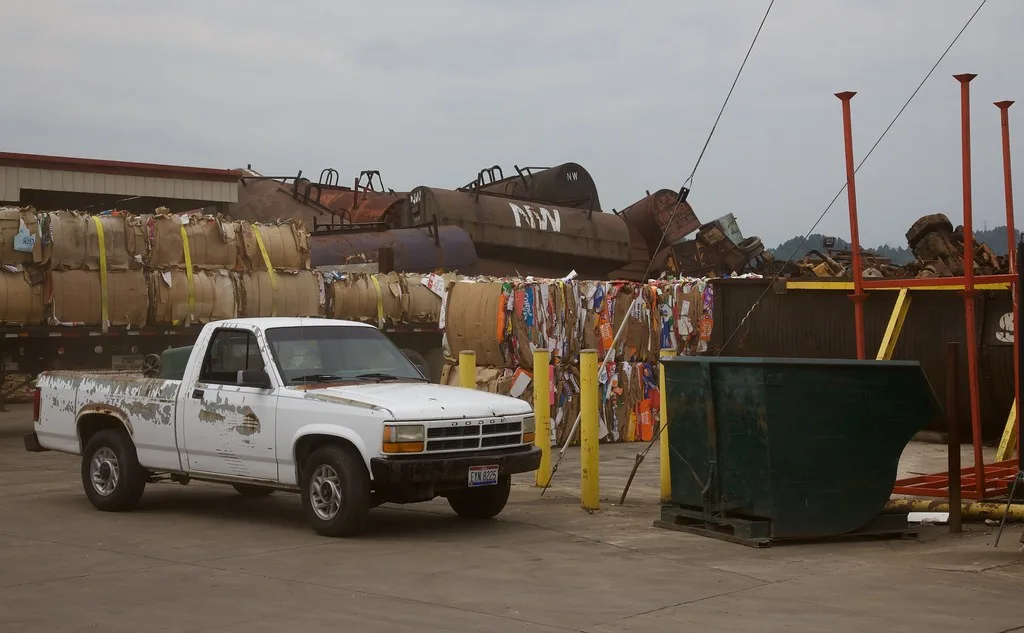
Steel scrap serves as a critical raw material for electric arc furnaces (EAF), which generate significantly fewer emissions compared to traditional coal-fired blast furnaces. By importing scrap from the EU, Indian manufacturers aim to accelerate the adoption of EAF technology, effectively lowering the overall carbon intensity of their export-bound products.
Industry data indicates that India’s scrap demand is expected to surge as the country targets a massive increase in steel production capacity by 2030. However, domestic scrap collection systems remain largely unorganized, creating a supply-demand gap that necessitates international procurement strategies.
Expert Perspectives and Economic Implications
Trade analysts suggest that the EU may view these requests with caution, as Europe is also attempting to retain its own scrap supply to fuel its internal green steel transition. ‘The conflict lies in the definition of scrap as a strategic raw material,’ noted a commodities trade consultant. ‘Both regions are racing to secure the resources necessary to meet their respective net-zero commitments.’
If negotiations succeed, Indian firms could see a reduction in the carbon compliance costs associated with the CBAM. Conversely, a failure to secure these supply chains might force Indian manufacturers to invest heavily in carbon capture or renewable energy at a faster pace than currently planned to remain viable in the European market.
Future Outlook and Trade Relations
Observers are closely watching the upcoming ministerial meetings between New Delhi and Brussels to see if a framework for a ‘Green Steel Partnership’ emerges. Any agreement could set a precedent for how other developing economies navigate the transition to low-carbon manufacturing while maintaining global trade competitiveness.
Market participants should monitor potential shifts in export restrictions from the EU, as any policy easing would likely trigger an immediate price adjustment in the global scrap market. Furthermore, the success of this initiative will hinge on India’s ability to prove that imported scrap is being utilized specifically for decarbonization efforts rather than general capacity expansion.