




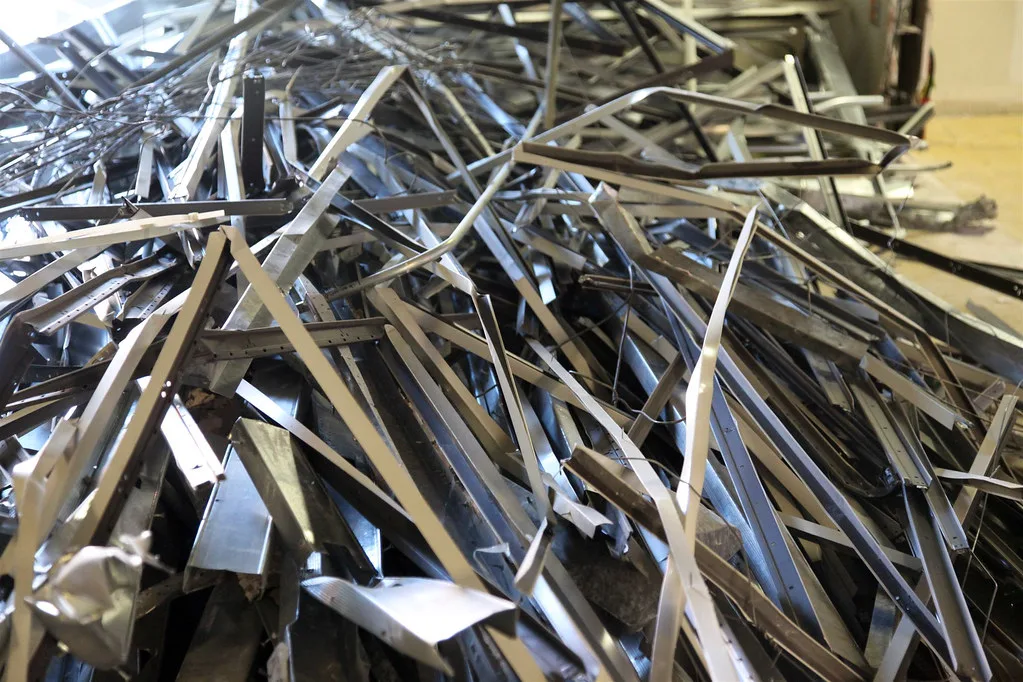
The Indian government is currently engaging in high-level trade discussions with European Union officials to secure easier access to steel scrap exports, a strategic move aimed at shielding the domestic industry from the financial burden of the EU’s Carbon Border Adjustment Mechanism (CBAM). As of late 2024, New Delhi is pushing for relaxed export restrictions on ferrous scrap, arguing that increased supply is essential for India’s transition toward greener, electric arc furnace-based steel production.
The Context of Carbon Border Measures
The European Union’s CBAM, which entered its transitional phase in October 2023, imposes a levy on carbon-intensive goods imported into the bloc, including steel, cement, and aluminum. While the policy is designed to prevent ‘carbon leakage’—where companies move production to countries with laxer environmental regulations—it places significant pressure on developing economies like India.
India’s steel industry remains heavily reliant on coal-based production methods. To meet global decarbonization standards and avoid the full weight of the EU’s border taxes, domestic manufacturers are attempting to shift toward scrap-based melting, which emits significantly less carbon than traditional blast furnaces.
Supply Chain Bottlenecks and Trade Tensions
The primary hurdle remains the EU’s own environmental regulations regarding waste shipments. The EU currently restricts the export of waste to non-OECD countries, effectively limiting the flow of high-quality steel scrap to India.
Indian officials argue that these restrictions create a paradox: the EU demands lower carbon footprints from its trading partners while simultaneously cutting off the very material required to achieve those reductions. By securing a bilateral agreement to ease these export barriers, India aims to stabilize its raw material costs and lower the carbon intensity of its finished exports.
Expert Perspectives and Industry Data
Industry analysts point out that the global demand for steel scrap is expected to surge as major economies commit to net-zero targets. According to data from the World Steel Association, the reliance on scrap is projected to grow as the industry moves away from iron ore-based production.
‘The availability of high-grade scrap is the single biggest bottleneck for India’s green steel transition,’ says an analyst at the Steel Research Institute. ‘Without a reliable international supply chain, the cost of compliance for Indian exporters will remain prohibitively high, potentially pushing them out of the European market entirely.’
Implications for the Global Steel Market
For the Indian steel industry, the outcome of these negotiations will determine the long-term viability of their export strategy. If New Delhi succeeds, Indian steelmakers could gain a competitive edge by lowering their carbon footprint faster than regional peers who lack similar access to scrap.
Conversely, if the EU maintains its current waste export regulations, Indian manufacturers may be forced to invest heavily in domestic collection and processing infrastructure, a process that could take years to mature. This could lead to a temporary decline in Indian steel exports to Europe as the industry grapples with the dual costs of carbon levies and supply chain transition.
Future Outlook
Observers should monitor upcoming bilateral trade committee meetings between Brussels and New Delhi, as these sessions will likely reveal if the EU is willing to grant a ‘green trade’ exemption for scrap. Additionally, tracking domestic Indian policy initiatives on scrap recycling infrastructure will provide insight into how the government plans to reduce its reliance on imports over the next decade.