




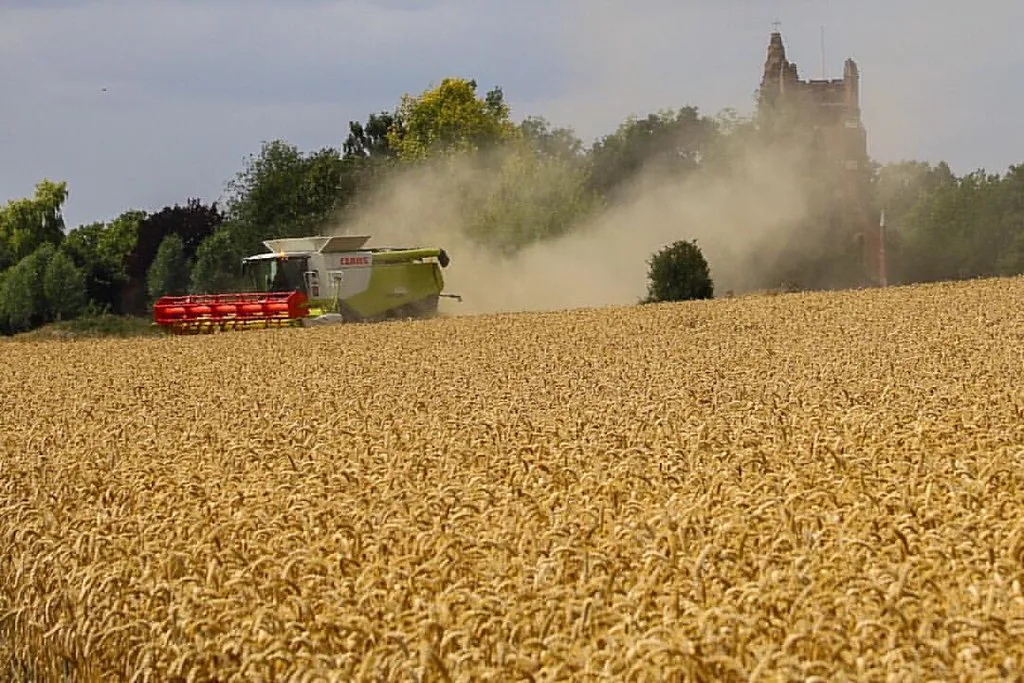
Record-Breaking Harvest Forecast
India is set to achieve a record-breaking foodgrain production of 376.56 million tonnes for the 2025-26 crop year, according to the latest estimates released by the Union Agriculture Ministry. This represents a 5% year-on-year increase, driven primarily by robust yields in wheat, rice, and maize across the country’s major agrarian states.
Contextual Drivers of Agricultural Growth
The projected surge in output follows a period of targeted government intervention and favorable meteorological conditions. Agriculture officials attribute the success to a combination of consistent monsoon rainfall and the strategic upward revision of Minimum Support Prices (MSP), which incentivized farmers to expand their cultivation areas.
Historically, India’s agricultural sector has navigated volatility caused by erratic climate patterns. By prioritizing irrigation infrastructure and ensuring better access to high-yield seed varieties, the government aims to stabilize food security while simultaneously bolstering the nation’s export potential.
Breakdown of Crop Performance
Wheat production stands out as a primary contributor to this year’s growth, with projections reaching an all-time high of 120.65 million tonnes. This 2% increase in wheat output is expected to replenish national stockpiles significantly, providing a buffer against potential market fluctuations.
Rice and maize also show strong growth trajectories. Agricultural economists note that the diversification of crops, alongside improved soil health management, has allowed farmers to maximize output on existing land. Increased investment in post-harvest technology has further reduced storage losses, ensuring that a larger percentage of the harvest reaches the consumer market.
Industry Implications and Economic Impact
For the broader economy, a record harvest serves as a hedge against food price inflation. Stable supply chains for essential grains allow for more predictable consumer pricing, which is critical for maintaining domestic economic stability.
The agricultural sector’s performance also influences rural demand, as higher production volumes typically translate to increased disposable income for farming households. This cycle of productivity supports rural development and sustains the demand for agricultural inputs like machinery and fertilizers.
Future Outlook and Monitoring
Market analysts are now turning their attention to the logistical capacity required to manage this surge. The focus remains on whether national storage facilities and distribution networks can handle the record volume without significant spoilage. Stakeholders will be watching upcoming government procurement data closely to determine how effectively the surplus will be integrated into the public distribution system and global trade channels.