









Strengthening Global Partnerships in Paris
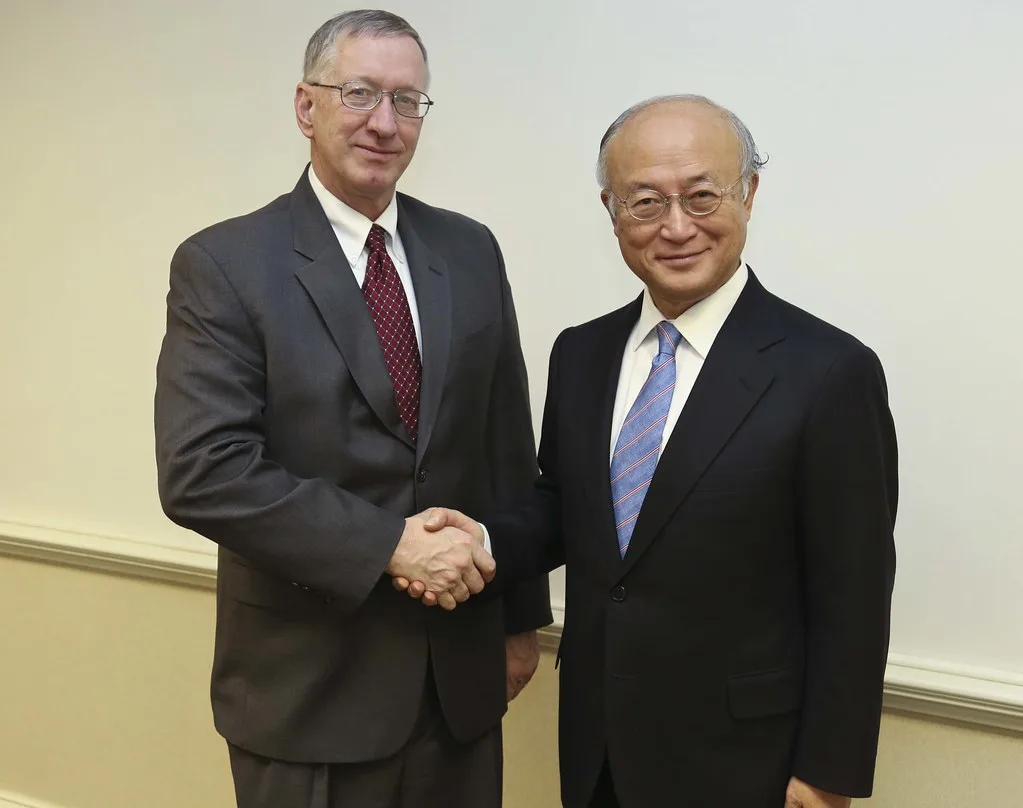
Union Commerce and Industry Minister Piyush Goyal met with L’Oreal Groupe CEO Nicolas Hieronimus on June 17 in Paris to discuss expanding India’s role as a primary destination for manufacturing and beauty-tech innovation. The meeting, held on the sidelines of the Viva Technology 2026 conference, underscored the Indian government’s ongoing efforts to integrate global industry leaders into its domestic “Make in India” framework.
The Strategic Context of the Meeting
The discussion occurs as India aggressively pursues foreign direct investment (FDI) to bolster its manufacturing sector and technological infrastructure. Viva Technology 2026 serves as a global nexus for startups and established corporations, providing a platform for India to showcase its growing digital economy and skilled workforce. By targeting partnerships in high-value sectors like cosmetics and consumer technology, India aims to transition from a traditional manufacturing base to an innovation-led economy.
Focus on Beauty-Tech and Skill Development
Minister Goyal highlighted that the dialogue centered on collaborative opportunities specifically within the beauty-tech sector. The partnership aims to leverage L’Oreal’s global expertise in research and development to foster localized innovation under the “Make in India” initiative. Beyond capital investment, the discussions emphasized the importance of human capital, with both leaders exploring frameworks for large-scale skill development programs to support technical roles within the beauty industry.
Expert Perspectives on Market Integration
Industry analysts note that L’Oreal’s interest in India is a reflection of the country’s rising middle-class consumer base and its rapidly digitizing retail environment. By integrating advanced technology into its production cycle, the company seeks to address the unique needs of the Indian market while simultaneously utilizing local facilities as a hub for regional exports. The move aligns with broader trends where global conglomerates are diversifying their supply chains away from single-country reliance.
Implications for the Indian Economy
For the broader business landscape, this high-level engagement signals that the Indian government is prioritizing technology transfer as a prerequisite for long-term manufacturing partnerships. Readers and industry stakeholders should monitor upcoming policy announcements regarding potential joint ventures in the personal care sector. As India continues to attract major players, the focus will likely shift toward the scalability of these technology-driven initiatives and their long-term impact on domestic employment metrics.