





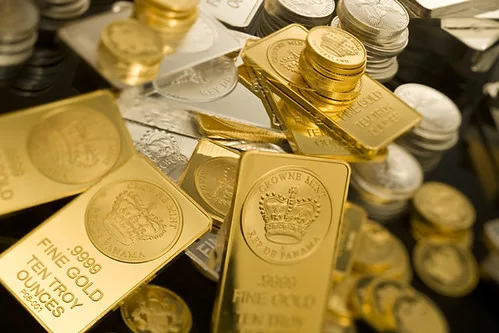
Strategic Shifts in Import Policy
The Indian government announced a significant increase in customs duties on gold, silver, and platinum this week, a move designed to curb non-essential imports and preserve foreign exchange reserves. This fiscal intervention comes as New Delhi prioritizes the allocation of its dollar reserves toward critical sectors, specifically crude oil and defense imports, amidst escalating geopolitical tensions in West Asia.
The Context of Economic Stability
India remains the world’s second-largest consumer of gold, a commodity that historically exerts substantial pressure on the nation’s current account deficit. As global oil prices fluctuate and supply chains face potential disruptions from regional conflicts in the Middle East, the Indian government is seeking to mitigate the outflow of foreign currency.
By raising the barrier to entry for precious metals, the administration aims to discourage domestic consumption of imported bullion. This strategy reflects a broader effort to maintain macroeconomic stability and protect the rupee from excessive volatility in global markets.
Market Dynamics and Trade Priorities
The decision to ring-fence capital for energy and defense highlights the government’s focus on national security and essential economic infrastructure. Crude oil accounts for a massive portion of India’s import bill, and any disruption in West Asian supply routes poses a direct threat to domestic fuel prices and inflation targets.
Defense procurement also commands a high priority, as the nation continues to modernize its military capabilities. Financial analysts note that by tightening the leash on gold imports, the government creates a buffer that allows for the seamless procurement of these essential strategic goods without depleting central bank reserves.
Expert Perspectives
Financial experts suggest that while this duty hike may dampen demand in the retail jewelry sector, it is a necessary prophylactic measure. According to recent data from the Ministry of Commerce, India’s trade deficit remains sensitive to the volume of gold inflows, which often spike during festive and wedding seasons.
Market economists argue that the move is purely quantitative, aimed at balancing the ledger against a backdrop of global uncertainty. They emphasize that while precious metals are a traditional store of value for Indian households, the current macroeconomic environment demands a shift toward prioritizing liquidity for state-level strategic requirements.
Implications for the Future
The immediate impact of this policy will likely be reflected in the domestic pricing of gold and silver, with retail buyers expected to bear the brunt of the increased levies. Industry associations are already bracing for a potential slowdown in volume as the increased cost of imports filters down to the consumer level.
Looking ahead, observers should monitor the impact of this duty hike on the overall current account deficit in the coming fiscal quarter. Should geopolitical conditions in West Asia stabilize, the government may consider a phased rollback of these measures to support the domestic bullion trade. However, as long as crude oil prices remain elevated, the prioritization of foreign exchange for strategic imports is expected to remain the cornerstone of India’s trade policy.