




Strategic Maritime Expansion
The Indian government has officially approved a ₹1,570 crore investment to construct a state-of-the-art ship repair facility in Vadinar, Gujarat. This infrastructure project, designed to service large vessels up to 300 metres in length, aims to significantly bolster India’s domestic maritime maintenance capabilities and generate thousands of skilled jobs by the end of the decade.
The project, cleared by the Union Ministry of Ports, Shipping and Waterways, marks a critical shift in India’s maritime policy. By focusing on heavy-duty repair infrastructure, the government intends to capture a larger share of the global ship repair market, which currently sees many Indian-owned vessels diverted to facilities in the Middle East and Southeast Asia.
The Context of Maritime Infrastructure
India’s maritime sector has historically faced a capacity deficit regarding the dry-docking and maintenance of larger commercial vessels. While India maintains a vast coastline, much of the existing infrastructure is geared toward smaller crafts or minor routine maintenance.
The Vadinar location was selected due to its strategic proximity to major international shipping routes and existing port clusters in the Gulf of Kutch. The facility is expected to serve as a hub for both domestic merchant ships and international tankers operating in the Arabian Sea.
Building Domestic Capability
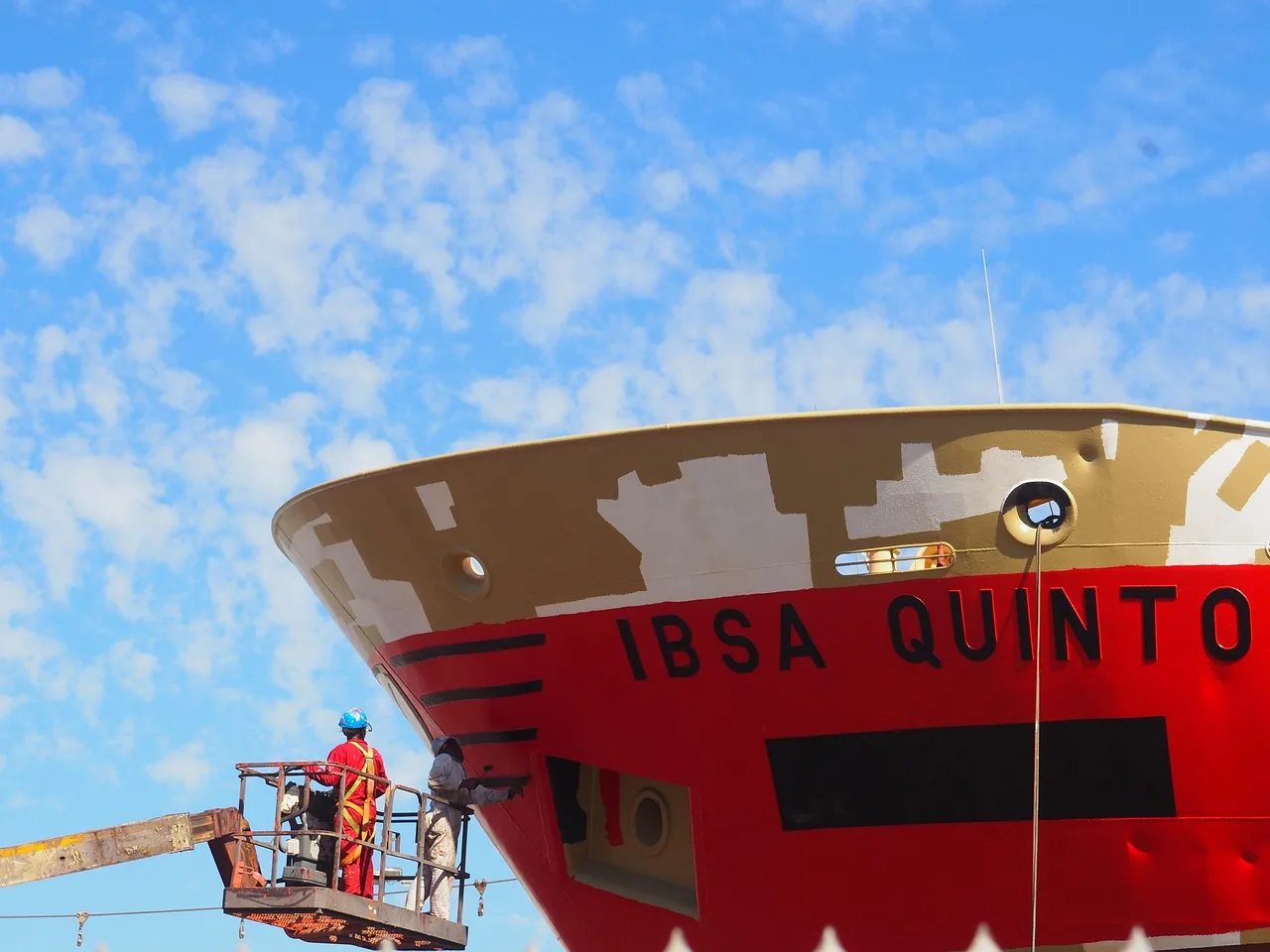
The facility is designed to handle complex repairs, including hull maintenance, engine overhauls, and specialized underwater work. By providing services for 300-metre vessels—often categorized as Very Large Crude Carriers (VLCCs) or large container ships—India is positioning itself to provide a cost-effective alternative to established repair hubs in Singapore and Dubai.
Industry analysts point to the ‘Make in India’ initiative as the primary driver behind this investment. According to data from the Ministry of Shipping, the nation’s reliance on foreign repair yards results in a significant outflow of foreign exchange. This project seeks to plug that gap, retaining capital within the domestic economy while fostering a specialized workforce.
Economic and Industry Implications
The economic ripple effects of the Vadinar facility are expected to be substantial. Beyond direct construction employment, the facility will require a steady supply chain of steel, specialized marine paints, and high-tech engineering components, creating opportunities for ancillary industries in Gujarat.
Experts note that the facility will likely reduce the turnaround time for Indian fleet operators. Currently, vessels often wait weeks for dry-dock availability in competing ports. Localized, high-capacity repair services will minimize downtime, thereby increasing the operational efficiency of India’s shipping companies.
Looking ahead, stakeholders are watching how the government incentivizes private sector participation in operating the facility. The success of the Vadinar project will likely serve as a blueprint for similar developments in other coastal states, such as Odisha and Tamil Nadu. Future developments will also depend on the integration of green technologies at the site, as global maritime regulations increasingly mandate environmentally sustainable ship-breaking and repair practices.