




India reached an unprecedented peak in electricity demand for the third consecutive day this week, as a punishing heatwave drives millions of residents to rely heavily on air conditioning and cooling systems. Grid operators across the nation reported record-breaking consumption levels as temperatures in several states soared past 45 degrees Celsius, straining the country’s generation and distribution infrastructure.
The Context of Rising Energy Consumption
This surge in demand arrives as India navigates a period of rapid industrial expansion and intensifying climate patterns. Historically, the summer months bring seasonal spikes in energy usage, but the current duration and intensity of these heatwaves have outpaced previous logistical models.
The Ministry of Power has been monitoring the grid closely, coordinating with state-run utilities to ensure that supply keeps pace with the sudden load. Historically, India has relied heavily on coal to meet the vast majority of its electricity needs, though recent government initiatives have sought to integrate more renewable energy sources into the national mix.
Grid Strain and Operational Challenges
The primary driver of the current crisis is the widespread domestic and commercial use of cooling appliances. As air conditioning becomes more accessible to the middle class, the cumulative load on the distribution network has grown significantly compared to previous decades.
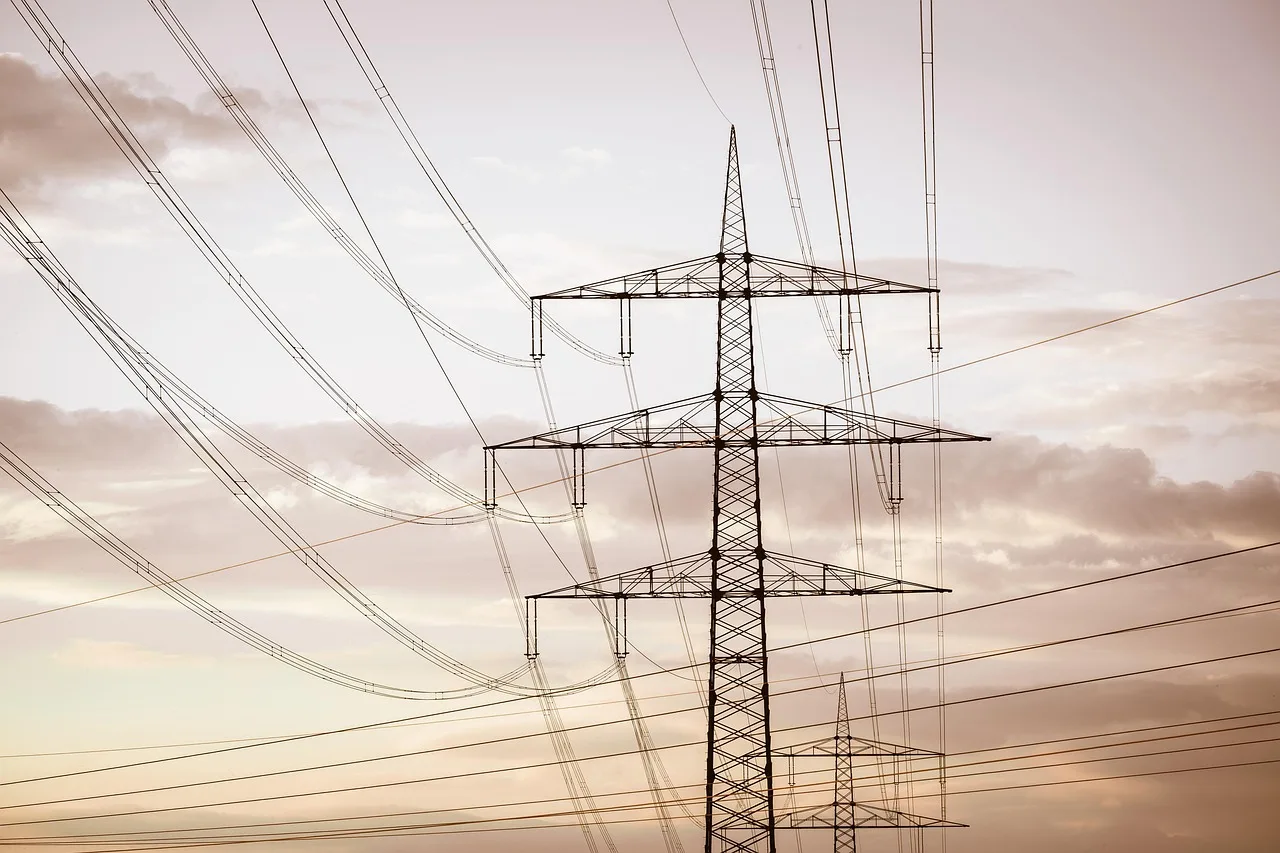
Industry analysts point out that the stress is not limited to generation capacity alone. Aging distribution infrastructure in several urban centers often struggles to handle the rapid increase in amperage, leading to localized outages despite sufficient power availability at the generation site.
Expert Analysis and Data Trends
Data from the National Load Dispatch Centre indicates that peak power demand consistently exceeds 240 gigawatts during the hottest hours of the afternoon. Energy experts suggest that this trend is likely to continue as long as the meteorological conditions persist.
“The current situation is a stress test for the entire energy ecosystem,” stated an analyst from the Centre for Science and Environment. “We are witnessing a structural shift where peak demand is becoming the new baseline for summer months, necessitating a more robust grid architecture and better demand-side management.”
Long-term Implications and Future Outlook
The ongoing power crisis underscores the urgent need for India to accelerate its energy transition and grid modernization. Policymakers are now forced to weigh the immediate necessity of coal-fired generation against the long-term goals of climate resilience and sustainable infrastructure.
Looking ahead, observers should watch for potential shifts in government policy regarding mandatory energy efficiency standards for cooling appliances. Furthermore, investments in smart grid technology and distributed solar generation are expected to become central themes in upcoming infrastructure budgets to mitigate the risk of future supply failures during extreme weather events.