



The Indian government has officially banned all sugar exports with immediate effect, extending the prohibition through September 30, 2026. This directive, issued by the Directorate General of Foreign Trade (DGFT), shifts the commodity’s status from ‘restricted’ to ‘prohibited’ to prioritize domestic availability amidst growing concerns over national production levels.
Contextual Shifts in Agricultural Policy
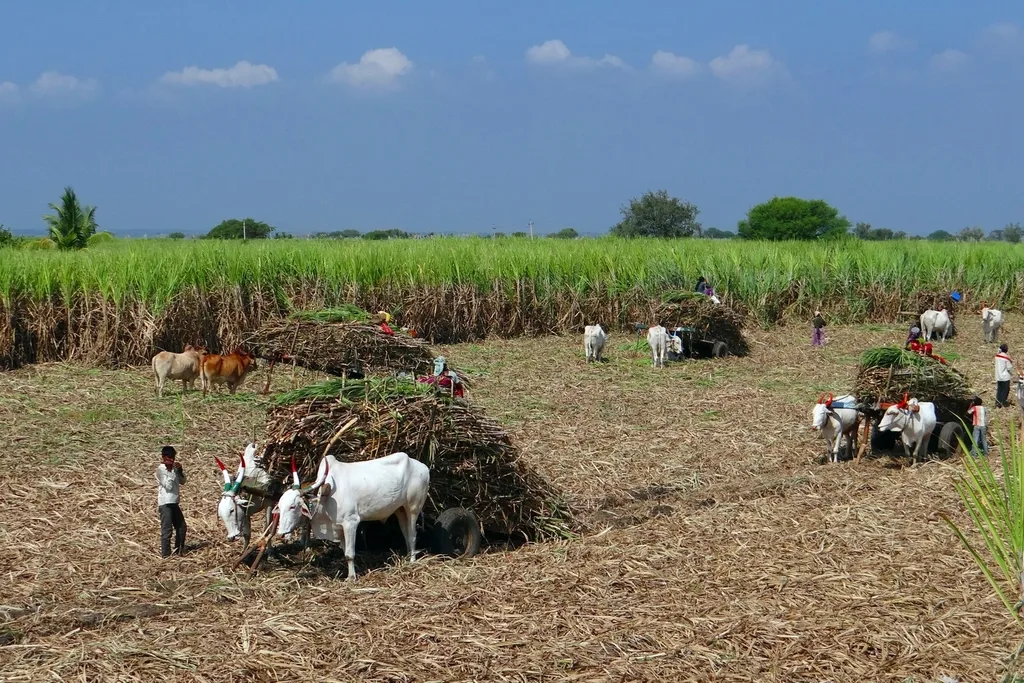
India, historically one of the world’s largest sugar producers, has seen a volatile shift in its trade policy over the last several years. While the country reached a record export peak of 11 million tonnes during the 2021–22 season, recent climate-related pressures have forced a pivot toward protectionism. The decision to halt exports follows a period of inconsistent output, where initial projections of surplus production were undermined by weakening cane yields in critical agricultural hubs.
Factors Driving the Export Prohibition
The primary catalyst for this mandate is the uncertainty surrounding future harvests. Agronomists have pointed to the looming influence of El Niño, which threatens to disrupt monsoon patterns and further diminish crop resilience. Government data suggests that domestic demand is currently outpacing projected yields, leaving little room for international shipments without risking local price spikes.
Despite the broad prohibition, the government has carved out specific exemptions to maintain international relations. Sugar exports to the European Union and the United States under the CXL and TRQ quotas remain permitted, provided they follow prescribed procedural notices. Additionally, shipments already in the export pipeline are exempt, allowing traders to honor existing contractual obligations and preventing further logistical disruption.
Global Market Implications
The removal of Indian supply from the global market is expected to exert upward pressure on international white and raw sugar prices. As the world’s second-largest sugar exporter, India’s absence creates a supply vacuum that other major producers are likely to fill. Market analysts anticipate that Brazil and Thailand will increase their market share, particularly within Asian and African trade corridors, effectively reconfiguring established global supply chains.
This policy reflects a broader trend of food security prioritization among major agrarian economies. By curbing exports, New Delhi aims to insulate its domestic market from the volatility of global commodity pricing, ensuring that local consumers remain shielded from supply-side shocks.
Future Outlook and Industry Watch
As the September 2026 deadline approaches, industry observers will monitor monsoon performance and sugarcane planting cycles to determine if this ban remains necessary. Future government decisions will likely depend on the success of the upcoming harvest and the stability of global sugar markets. Stakeholders should prepare for continued volatility in pricing and potential shifts in regional trade partnerships as the global sugar trade adapts to India’s sustained absence from the export market.