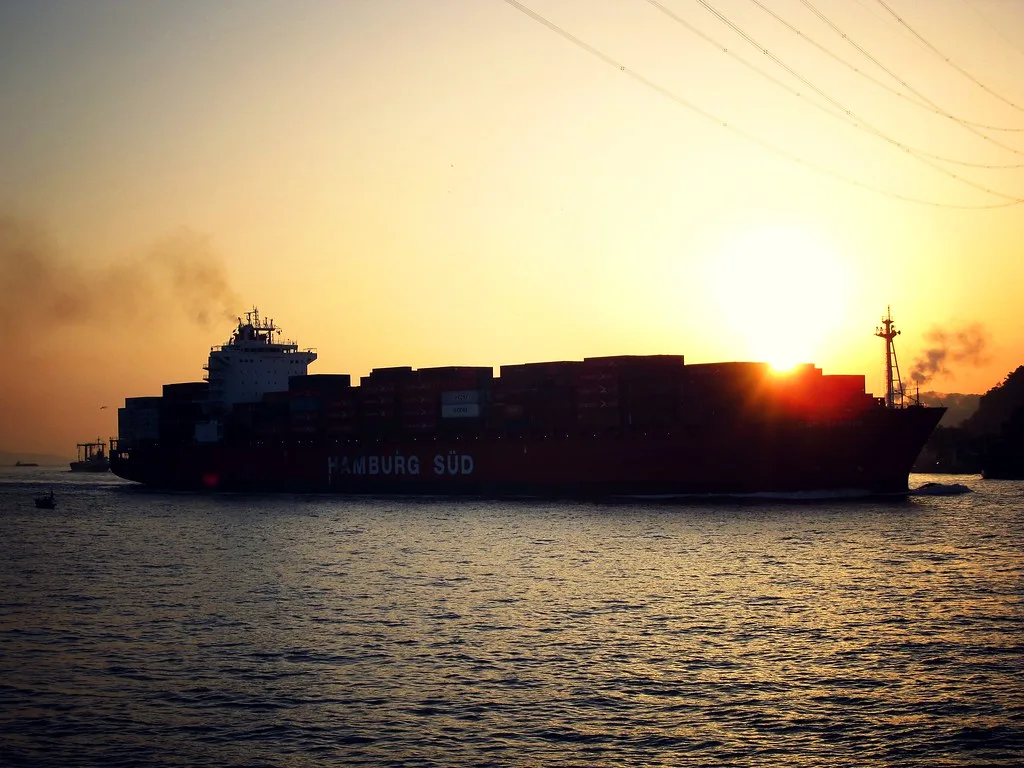






Record-Breaking Trade Performance
India achieved a historic milestone in fiscal year 2026, as total exports of goods and services climbed 4.6% to reach an all-time high of $863.11 billion. Despite persistent global economic headwinds, including geopolitical instability and cooling demand in major Western markets, the nation maintained a steady growth trajectory throughout the period.
Contextualizing the Export Boom
This export growth follows a period of aggressive government initiatives designed to integrate India deeper into the global value chain. Programs such as the Production Linked Incentive (PLI) schemes have been instrumental in bolstering domestic manufacturing capabilities, allowing Indian firms to compete more effectively on a global scale.
A Dual-Engine Growth Model
The record figures were driven by a robust performance in the services sector, which saw an 8.7% surge in value. This growth underscores India’s transition from a primarily raw-material exporter to a sophisticated hub for IT, consulting, and professional services.
Simultaneously, the goods sector showed resilience against supply chain volatility. Analysts note that manufacturers are increasingly prioritizing quality over volume, moving away from the “underselling” strategies that previously defined smaller players in the export market.
Expert Insights and Market Dynamics
Industry experts emphasize that the shift toward high-value manufacturing is a critical turning point for the economy. By focusing on stringent quality standards, Indian exporters are successfully penetrating markets that were previously dominated by regional competitors.
However, small and medium enterprises (SMEs) remain a point of concern for policymakers. Recent surveys suggest that while large corporations are scaling rapidly, smaller exporters continue to face challenges regarding credit access and international regulatory compliance, which could hamper long-term diversification efforts.
Future Implications for Global Trade
The record-breaking performance signals that India is becoming a pivotal alternative for global corporations seeking to diversify their supply chains away from single-source dependencies. As the nation continues to modernize its logistics infrastructure, the ability to maintain this momentum will depend on the speed of domestic policy reforms.
Looking ahead, stakeholders should monitor the impact of potential trade barrier adjustments in the European and North American markets. If India can successfully sustain its current growth rate, it is poised to capture a significantly larger share of the global export market, potentially altering the competitive landscape for emerging economies throughout the next decade.