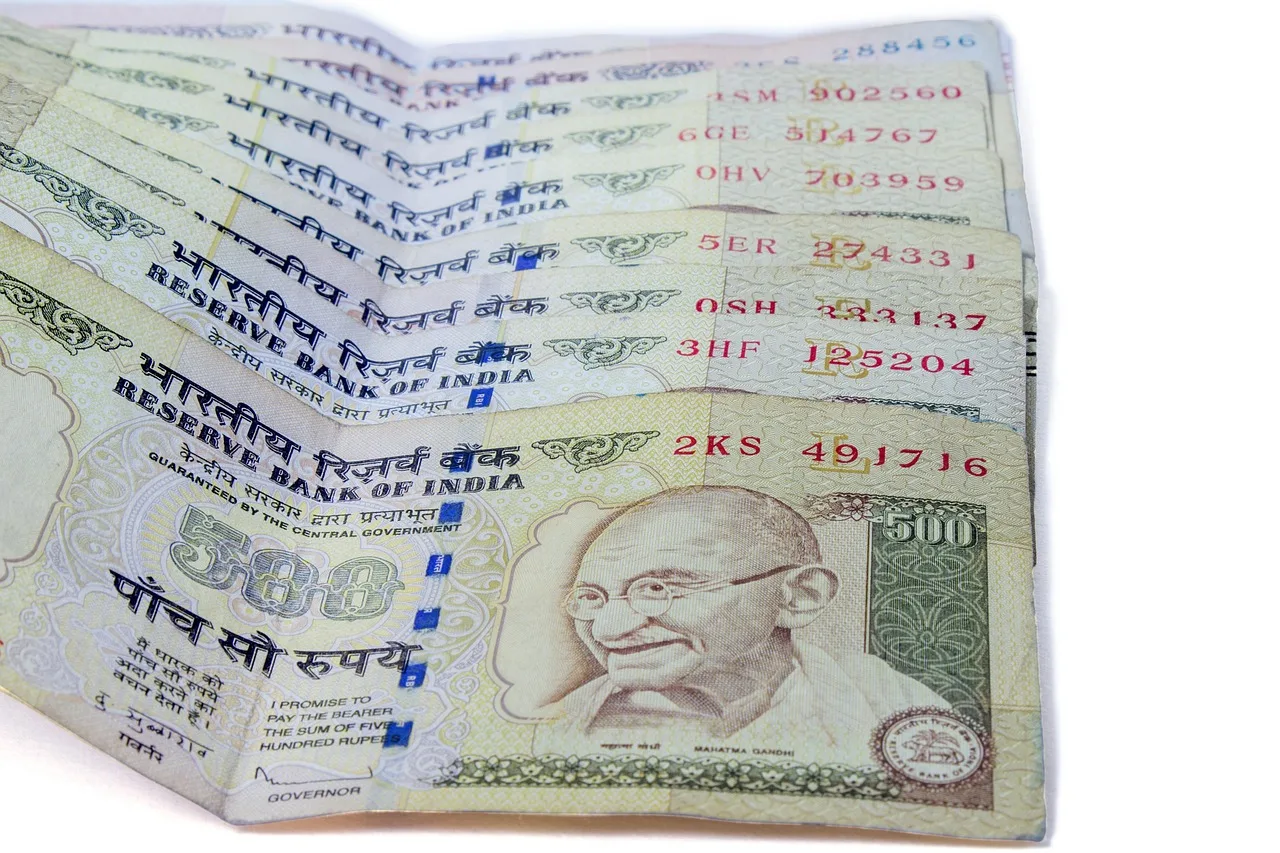






Indian policymakers, responding to Prime Minister Narendra Modi’s appeal for reduced imports, are actively exploring a range of economic measures, including the reintroduction of gold mobilisation schemes, tighter overseas remittance rules, and the issuance of special Non-Resident Indian (NRI) deposits. These potential steps, currently under consideration, aim to alleviate mounting pressure on the national currency, the rupee, and manage the increasing outflow of U.S. dollars from the country’s economy.
Context: India’s Economic Headwinds
India’s economy, while robust in many sectors, faces significant challenges from global economic volatility. Rising crude oil prices, a strengthening U.S. dollar, and global inflationary pressures have contributed to a widening current account deficit and increased demand for dollars for essential imports.
The rupee has experienced considerable depreciation against the dollar in recent periods, impacting import costs and potentially fueling domestic inflation. This currency pressure necessitates urgent intervention to maintain economic stability and bolster foreign exchange reserves.
Targeting Dollar Outflows: The Proposed Measures
The government’s strategy appears multi-pronged, focusing on both reducing dollar demand and attracting dollar inflows. Each proposed measure carries distinct implications for various segments of the economy and the population.
Revisiting Gold Mobilisation Schemes
One key area of focus is gold, a significant import item for India. Policymakers are looking to revive and potentially refine gold monetisation schemes, which aim to unlock the vast quantities of dormant gold held by Indian households and institutions.
The premise is to encourage citizens to deposit their physical gold with banks, earning interest while reducing the need for fresh gold imports. Previous iterations of these schemes have seen limited success due to cultural attachments to gold and concerns over liquidity, suggesting that any new scheme would need compelling incentives and robust public trust.
Tightening Overseas Remittance Rules
Another measure under review involves the Liberalised Remittance Scheme (LRS), which allows resident individuals to remit up to $250,000 per financial year for various purposes, including education, travel, and investments abroad. Reports suggest that policymakers may consider tightening these rules to curb non-essential dollar outflows.
Such a move would directly impact individuals planning foreign education, international travel, or overseas investments. While potentially effective in conserving foreign exchange, it could also face criticism for restricting individual financial freedoms and impacting global mobility.
Luring Funds with Special NRI Deposits
To attract stable dollar inflows, the government is also considering issuing special deposit schemes for Non-Resident Indians (NRIs). These schemes typically offer attractive interest rates and sometimes exchange rate protection, making them appealing to the Indian diaspora.
India has successfully leveraged such schemes in the past during periods of economic strain, demonstrating their effectiveness in shoring up foreign exchange reserves. The success of any new NRI deposit scheme would depend on its competitive interest rates relative to global alternatives and the overall confidence in India’s economic trajectory.
Expert Views and Economic Rationale
Economists and financial analysts largely agree on the necessity of addressing the current account deficit and rupee depreciation. “These measures, if implemented judiciously, could provide crucial short-term relief to the rupee and help manage India’s foreign exchange position,” noted a senior economist at a Mumbai-based research firm.
Data from the Reserve Bank of India (RBI) indicates a sustained pressure on the rupee, with significant dollar outflows driven by global commodity prices and portfolio investments. The proposed interventions are seen as complementary to the RBI’s ongoing efforts to manage liquidity and maintain financial stability.
Forward Outlook: What Lies Ahead for India’s Economy
The potential implementation of these measures carries broad implications. For the average Indian citizen, it could mean changes in the cost and ease of foreign travel, overseas education funding, and the attractiveness of gold as an investment. For NRIs, new deposit avenues could emerge, offering competitive returns while contributing to national economic stability.
The government’s balancing act will be crucial: implementing effective controls without stifling economic activity or alienating investors and citizens. Market participants will closely watch for official announcements and the specific details of any new policies, as their design and execution will determine their success in stabilizing the rupee and ensuring India’s continued economic resilience.