




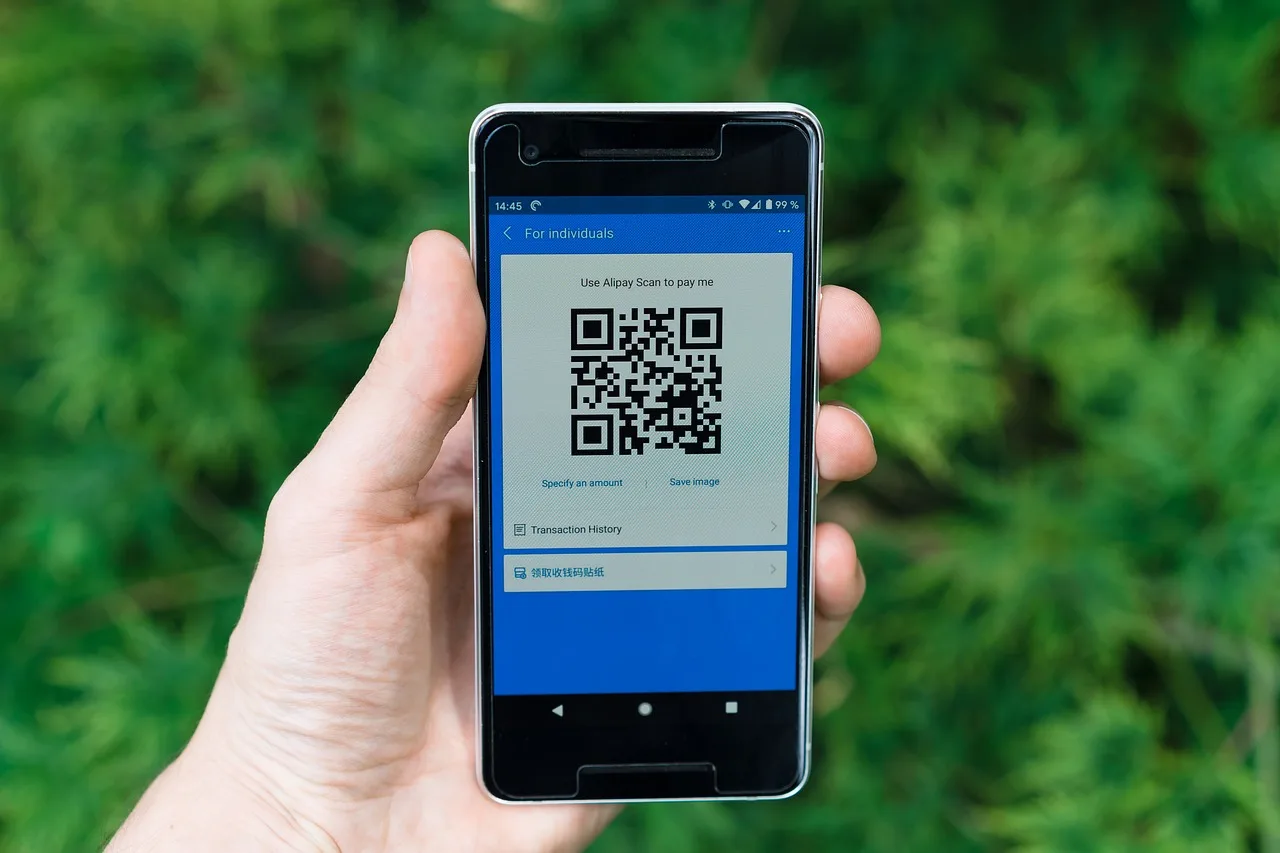
On May 5, 2026, the Reserve Bank of India (RBI) and the State Bank of Vietnam (SBV) officially signed a Memorandum of Understanding (MoU) to accelerate cooperation in financial innovation and digital payments. This inter-governmental agreement, sanctioned by the Union Cabinet, aims to establish a seamless framework for cross-border QR code-based merchant transactions between the two nations. By formalizing this partnership, both central banks seek to modernize financial infrastructure, reduce transaction costs, and bolster economic integration across the region.
Contextualizing the Digital Shift
The collaboration comes at a time when both India and Vietnam are aggressively digitizing their respective economies. India has seen exponential growth in its Unified Payments Interface (UPI) ecosystem, while Vietnam has rapidly adopted cashless payment methods to support its surging retail and tourism sectors.
This MoU serves as a regulatory bridge between these two distinct financial systems. It provides a structured mechanism for information exchange regarding market trends, innovative technologies, and the oversight of digital payment standards, ensuring that both nations remain aligned as they transition away from traditional cash-based settlements.
Expanding the Scope of Financial Connectivity
The core objective of this initiative is the development of robust payment system connectivity. By enabling cross-border QR code interoperability, travelers and businesses will be able to perform real-time transactions without the friction of currency conversion delays or opaque fee structures.
Financial analysts suggest that this transparency is the primary driver for the partnership. By displaying charges upfront and leveraging real-time processing, the agreement aims to lower the barrier to entry for small and medium-sized enterprises (SMEs) looking to export goods into the Vietnamese market.
Expert Perspectives on Economic Integration
Industry experts view this move as a strategic expansion of India’s ‘Digital India’ initiative beyond its domestic borders. By exporting its successful digital infrastructure, India is positioning itself as a leader in global fintech standards.
Data from recent trade reports indicates that simplified payment processes are often the missing link in increasing bilateral tourism and trade volume. By removing the necessity for traditional card switches or complex international wire transfers, the RBI and SBV are effectively democratizing access to the financial markets for everyday users and merchants alike.
Implications for the Future
For businesses, the integration of QR-based systems means a significant reduction in operational overhead and faster settlement cycles. For the average consumer, it translates into a more convenient and secure method of spending while traveling abroad.
Moving forward, stakeholders should watch for the technical implementation phases, including the integration of specific messaging systems and card switches. As these systems go live, the focus will shift toward scaling the infrastructure to handle high-frequency transaction volumes. This partnership likely serves as a blueprint for future agreements between India and other Southeast Asian nations, potentially creating a broader, interconnected digital payment corridor across the ASEAN region.