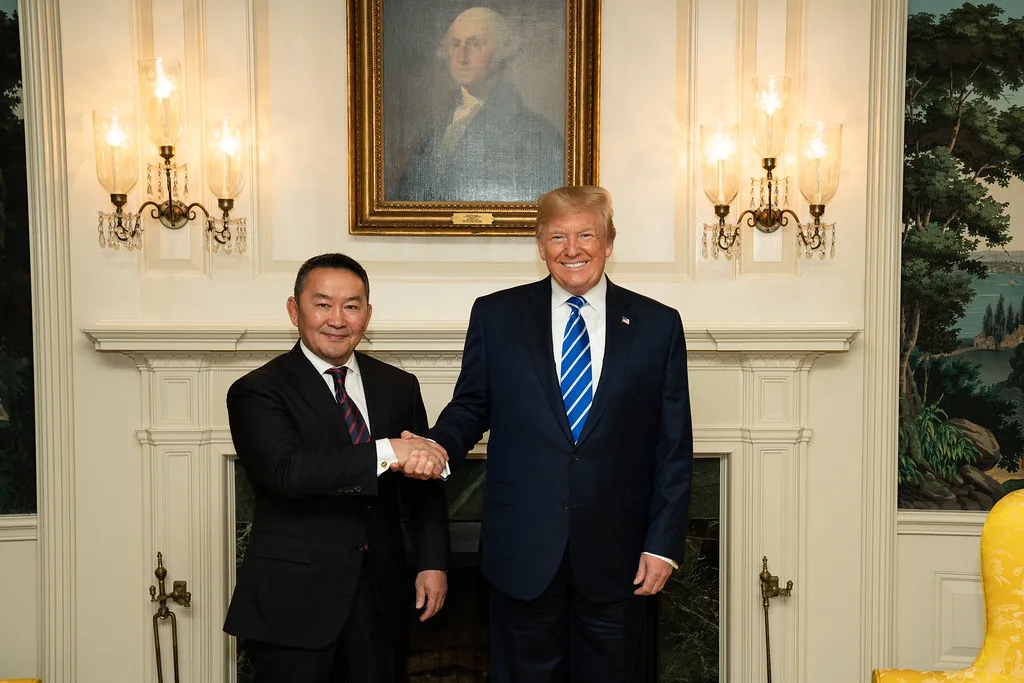










Government officials from India and Singapore have initiated high-level talks this week to deepen bilateral cooperation in the fields of digitalization and advanced manufacturing. The discussions, held in New Delhi, aim to align India’s rapid technological transformation with Singapore’s expertise in smart industrial ecosystems to foster sustainable economic growth across the Indo-Pacific region.
Building on a Strategic Foundation
The relationship between India and Singapore reached a significant milestone in November 2015 when both nations elevated their diplomatic ties to a Strategic Partnership. This framework has since served as a bedrock for collaboration in trade, defense, and infrastructure development.
As the global economy pivots toward Industry 4.0, both nations are seeking to modernize their industrial bases. Singapore’s ‘Manufacturing 2030’ vision, which focuses on high-value, sustainable production, provides a blueprint that India is eager to integrate into its ‘Make in India‘ initiative.
Synergizing Digital Infrastructure
At the heart of the new collaboration is the integration of digital public infrastructure. India has seen exponential growth in its Unified Payments Interface (UPI) and the India Stack, while Singapore remains a global leader in digital governance and fintech regulation.
Technical working groups are currently exploring the interoperability of digital payment systems between the two countries. By streamlining cross-border transactions, officials hope to reduce friction for small and medium-sized enterprises (SMEs) looking to expand their presence in each other’s markets.
Advancing the Manufacturing Landscape
The transition toward advanced manufacturing necessitates a skilled workforce capable of operating in automated, AI-driven environments. Singaporean firms, known for their prowess in robotics and precision engineering, are identifying opportunities to invest in Indian manufacturing hubs.
Experts note that this partnership could prove vital for supply chain diversification. According to recent data from the Ministry of External Affairs, Singapore remains one of the largest sources of Foreign Direct Investment (FDI) into India, a trend that is expected to continue as the focus shifts toward high-tech manufacturing sectors like semiconductors and green energy components.
Economic Implications for the Indo-Pacific
For the broader industry, this partnership signals a move toward standardized digital protocols. As both nations synchronize their regulatory frameworks, regional businesses may find a more predictable environment for cross-border collaboration.
Industry analysts suggest that the emphasis on digitalization will likely lead to increased demand for cloud computing services and cybersecurity expertise in India. Meanwhile, Singapore stands to benefit from the scale of the Indian market, providing a testing ground for innovative industrial solutions.
Future Trajectories
Observers should monitor the upcoming bilateral summit where formal agreements on technology transfer and joint research initiatives are expected to be signed. The success of this collaboration will hinge on the speed of regulatory alignment and the ability of both nations to foster a seamless digital ecosystem for their private sectors in the coming years.