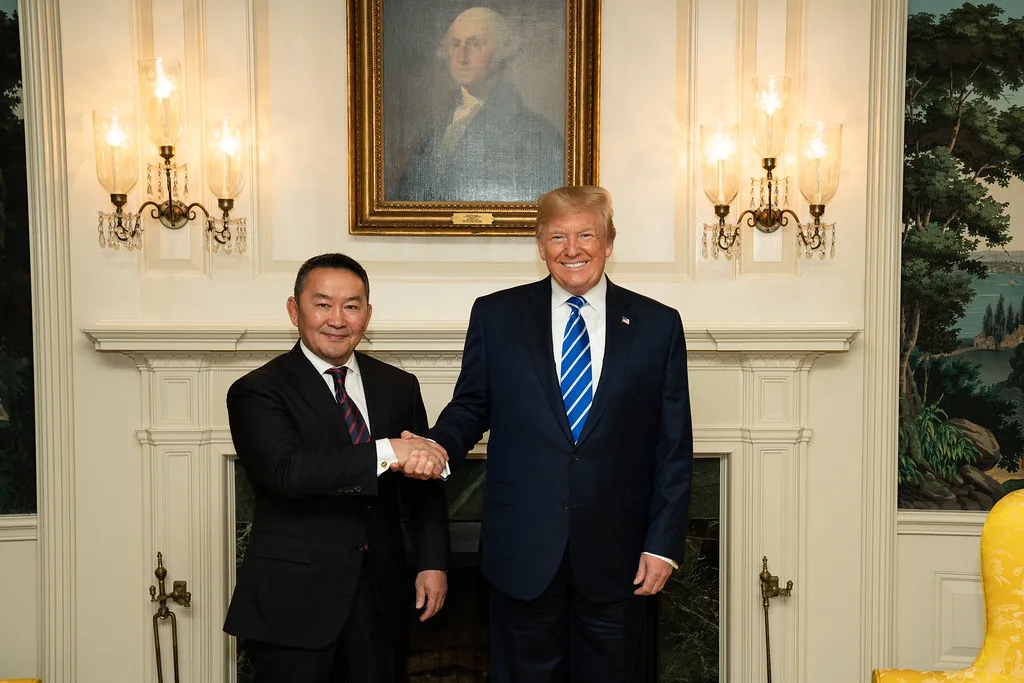










India and the European Union have intensified high-level negotiations this week in Brussels, aiming to finalize a comprehensive Free Trade Agreement (FTA) that promises to reshape global trade dynamics. Union Minister for Commerce and Industry Piyush Goyal announced that the ongoing talks are entering a critical phase, bolstered by a shared ambition to double bilateral trade by 2030. This push comes as India positions itself as a central pillar of the global supply chain, with government projections estimating an exponential rise in GDP to $35 trillion by 2047.
The Strategic Context of EU-India Relations
The current negotiations represent a significant revival of a process that originally stalled in 2013. Renewed political momentum, solidified during the 2021 India-EU Leaders’ Meeting in Porto, has provided the necessary framework to address long-standing hurdles such as market access, intellectual property rights, and sustainability standards.
For the European Union, India represents the world’s fastest-growing major economy and a vital partner for diversifying trade away from over-reliance on single-source markets. For New Delhi, the deal serves as a cornerstone of the ‘Make in India’ initiative, seeking to attract foreign direct investment and secure preferential access to the EU’s single market of 450 million consumers.
Navigating Complex Trade Barriers
The path to a final agreement remains complex, as negotiators grapple with divergent regulatory standards. Key sticking points include the EU’s strict environmental regulations, such as the Carbon Border Adjustment Mechanism (CBAM), and India’s concerns regarding the protection of its agricultural and small-scale manufacturing sectors.
Expert analysis from the Global Trade Research Initiative (GTRI) suggests that while tariff reduction is the primary goal, the inclusion of chapters on digital trade and labor standards will be the true test of the agreement’s depth. Analysts point out that India’s services sector, particularly in IT and professional services, stands to gain significantly if the EU eases visa requirements and professional certification recognition.
Economic Projections and Future Growth
Minister Goyal’s recent statement regarding the $35 trillion GDP target reflects a broader national strategy focused on infrastructure development and digitization. Data from the International Monetary Fund (IMF) supports this optimistic outlook, citing India’s demographic dividend and robust domestic consumption as key drivers of sustained growth.
Industry leaders argue that an FTA would act as a force multiplier for this growth trajectory. By streamlining customs procedures and establishing a transparent dispute resolution mechanism, the agreement is expected to lower the cost of doing business, thereby encouraging small and medium enterprises (SMEs) to participate in international trade.
Looking Ahead: The Road to Finalization
As negotiations proceed, observers should monitor the upcoming ministerial meetings scheduled for later this year, where the most contentious issues are expected to reach a final decision point. The ability of both parties to balance India’s domestic industrial protectionism with the EU’s stringent sustainability requirements will dictate the ultimate viability of the pact.
Market watchers will also be tracking potential cooperation on critical minerals and green technology transfer, which are becoming increasingly central to both regions’ energy transition goals. Should a consensus be reached, the agreement will likely serve as a benchmark for future trade deals between developed and emerging economies, potentially signaling a shift toward more integrated and resilient global value chains.