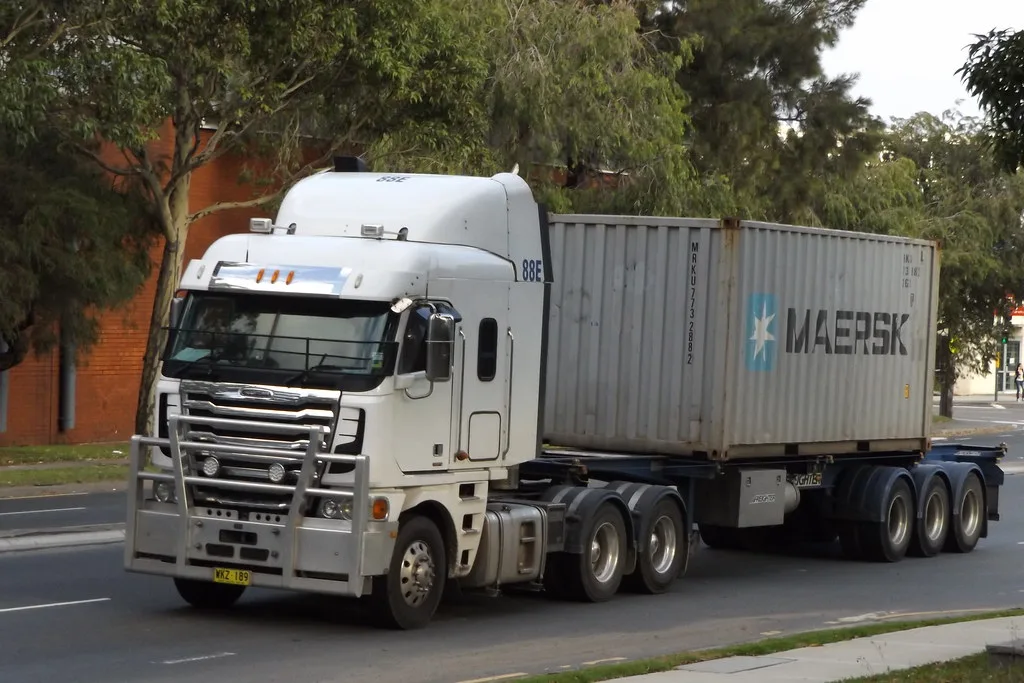






Trade negotiators from India and Australia convened in New Delhi this week to resume discussions on a Comprehensive Economic Cooperation Agreement (CECA), marking the first formal engagement since India’s general elections concluded in June 2024. The high-level talks aim to deepen bilateral economic integration and expand market access across key sectors, signaling a renewed commitment from both New Delhi and Canberra to finalize a deal that has been under development for years.
Building on the Foundations of the ECTA
The current push for a comprehensive agreement follows the successful implementation of the India-Australia Economic Cooperation and Trade Agreement (ECTA) in December 2022. That interim deal eliminated tariffs on over 85% of Australian goods exported to India and provided significant duty-free access for Indian labor-intensive products.
While the ECTA served as a foundational step, the CECA seeks to go much further. It intends to address complex issues such as government procurement, digital trade, and the movement of skilled professionals, which were largely excluded from the earlier interim pact.
Strategic Shifts in Global Supply Chains
The urgency behind these negotiations is driven by a shared desire to diversify supply chains and reduce over-reliance on single-source manufacturing hubs. Australia, seeking to pivot its export markets away from heavy dependency on China, views India’s rapidly growing middle class as a critical opportunity for its agricultural and service sectors.
Conversely, India is leveraging the partnership to boost its ‘Make in India’ initiative. By securing better terms for textile, pharmaceutical, and leather exports, Indian policymakers hope to enhance the nation’s manufacturing competitiveness on the global stage.
Expert Perspectives on Market Access
Trade analysts point out that the primary friction points involve agricultural market access and data privacy regulations. Australia continues to push for lower tariffs on its dairy and wine exports, while India remains protective of its domestic farming sector, which supports millions of rural livelihoods.
Recent data from the Ministry of Commerce and Industry suggests that bilateral trade has grown steadily since the ECTA, reaching approximately $24 billion in the last fiscal year. However, both nations acknowledge that the current volume remains far below the potential of their respective economies.
Implications for Future Trade
For businesses, the finalization of a CECA would lower the cost of doing business across the Indian Ocean. It promises to streamline regulatory frameworks, making it easier for Australian service providers to operate in India and for Indian tech firms to scale their operations in the Australian market.
Looking ahead, observers should watch for the next round of ministerial-level meetings scheduled for late 2024. The success of these talks will likely depend on whether both parties can find a middle ground on sensitive agricultural tariffs and digital service standards, which remain the final hurdles in securing a comprehensive partnership.