




The Indian government announced a significant recalibration of export duties on petroleum products this week, raising the levy on petrol while simultaneously providing relief for diesel and aviation turbine fuel (ATF). As of the latest notification, the export duty on petrol has been increased to 3 rupees ($0.0313) per litre, while the duty on diesel has been slashed to 16.5 rupees per litre, and the levy on aviation fuel has been reduced to 4 rupees per litre.
Understanding the Export Levy Framework
India first introduced these windfall taxes in July 2022 to regulate the flow of refined petroleum products to global markets. The policy was designed to ensure domestic fuel availability while capturing excess profits generated by private refiners who were benefiting from high international crack spreads.
These duties are reviewed on a fortnightly basis by the central government. The adjustments are strictly tied to the volatility of global crude oil prices and the refining margins observed during the preceding two-week window.
Global Market Volatility and Domestic Strategy
The decision to raise the petrol export duty reflects a strategic response to current market conditions where domestic demand for motor spirit has remained robust. By tightening the export levy, the government aims to prioritize local supply chains and stabilize domestic retail prices.
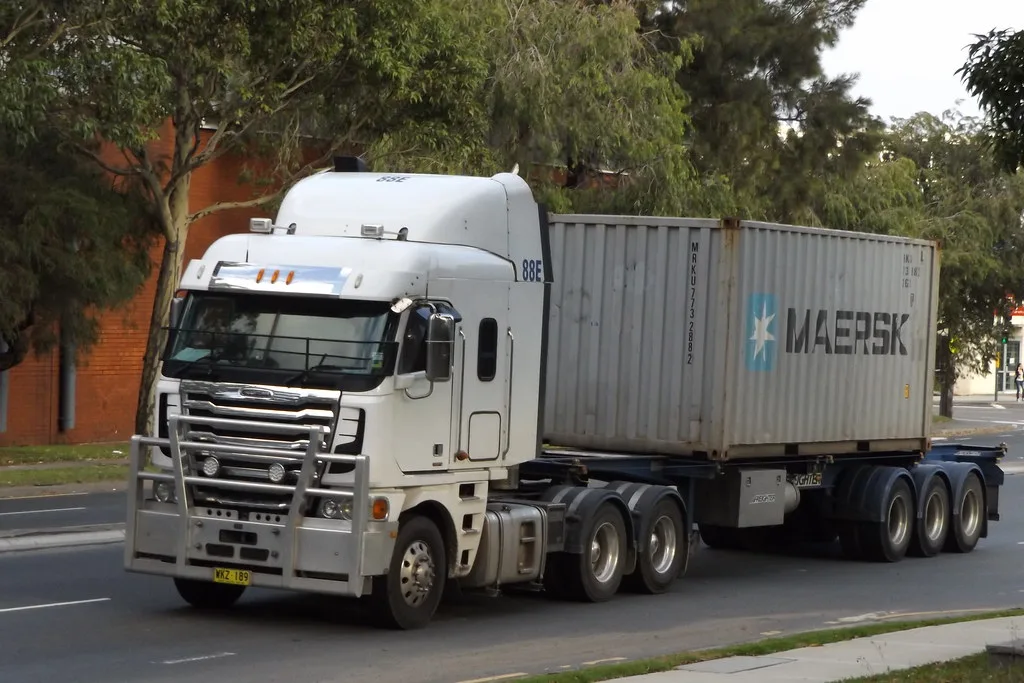
Conversely, the reduction in diesel and aviation fuel duties signals a move to support the logistics and transportation sectors. Diesel remains the primary fuel for India’s trucking industry, and lower export duties provide refiners with more flexibility to manage supply levels without the burden of prohibitive costs.
Expert Analysis on Refining Margins
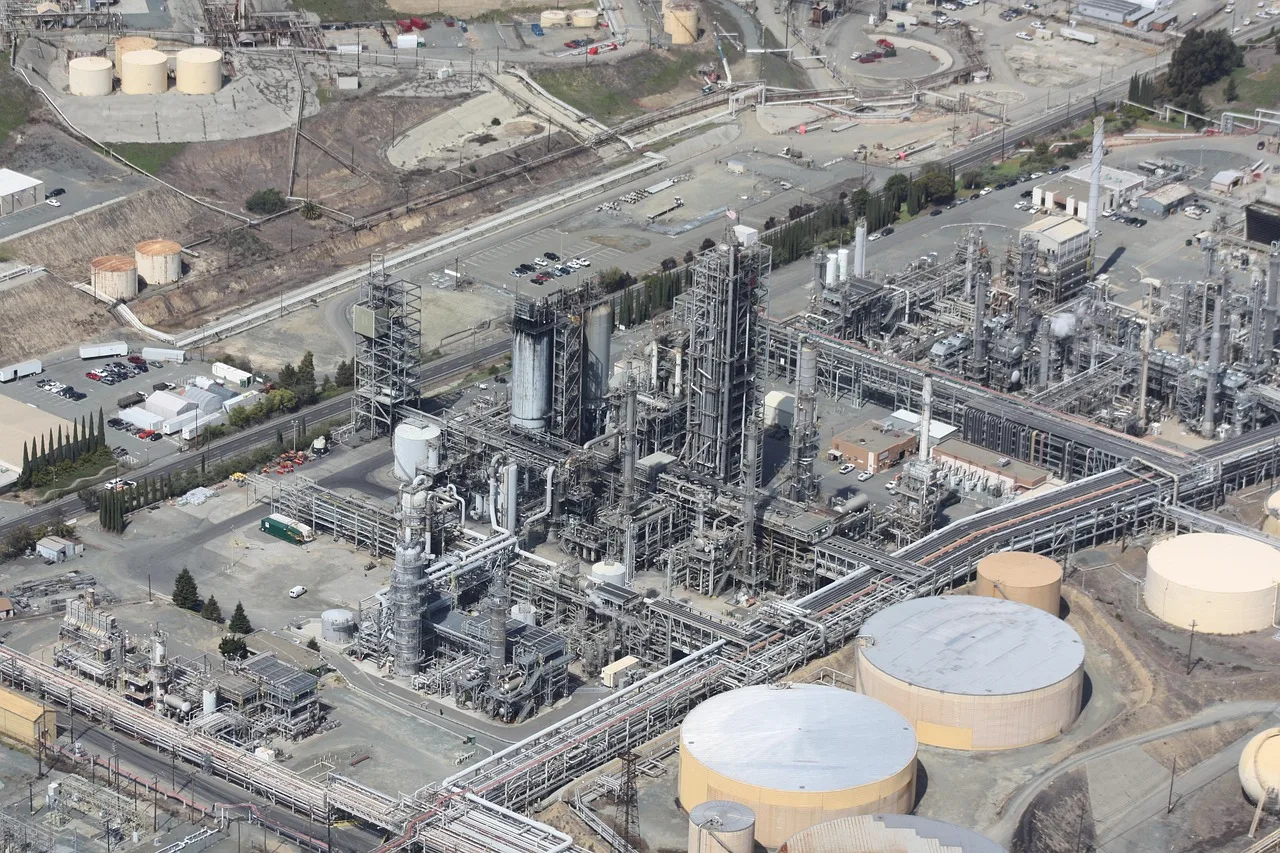
Energy analysts suggest that these fluctuations are a direct reflection of the “crack spread”—the difference between the price of crude oil and the price of refined petroleum products. Data from the Petroleum Planning and Analysis Cell (PPAC) indicates that global margins have been thinning, prompting the government to ease the burden on specific products to maintain refinery throughput.
“The government is essentially performing a balancing act between fiscal revenue targets and the operational viability of domestic refineries,” says an analyst at a leading energy consultancy. “When global margins contract, keeping duties high would discourage exports, which in turn could lead to a domestic glut and operational inefficiencies for major refineries.”
Economic Implications for the Energy Sector
For the average consumer, these adjustments are intended to act as a buffer against international price shocks. By actively managing export flows, the Ministry of Finance seeks to prevent domestic shortages that could lead to inflationary pressure on the transport of essential goods.
For global energy markets, India’s policy remains a critical variable. As one of the world’s largest importers of crude and a significant exporter of refined products, India’s domestic tax maneuvers influence regional supply balances across Asia.
Future Outlook and Trends
Market watchers are now turning their attention to the upcoming fortnightly review, which will be dictated by the trajectory of Brent crude prices and the stabilization of refining margins in the Singapore market. The industry expects that if global prices continue to soften, further reductions in export duties on diesel and ATF may follow to sustain export volumes. Stakeholders will also monitor whether the government eventually transitions away from the windfall tax mechanism as global energy markets return to historical volatility ranges.