





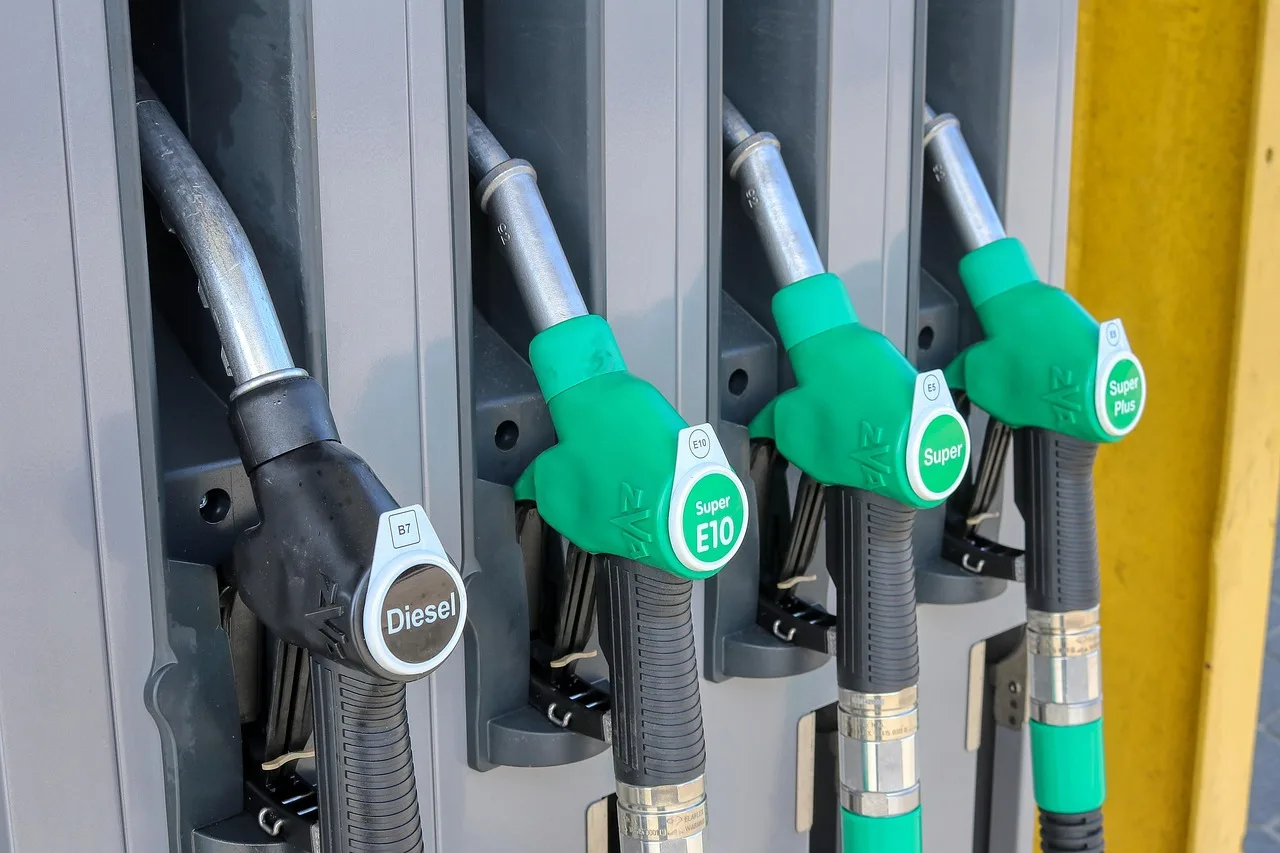
The U.S. House of Representatives passed legislation this week to permanently authorize the year-round sale of gasoline blended with 15 percent ethanol (E15), marking a significant milestone for the biofuels industry. The bill, which aims to provide regulatory certainty for retailers and farmers, now heads to the Senate, where its legislative path remains highly uncertain due to competing interests from the oil industry and environmental groups. The move comes as policymakers look for ways to lower fuel costs and bolster domestic agricultural markets amid ongoing energy price fluctuations.
The Evolution of Ethanol Policy
For years, the Environmental Protection Agency (EPA) has issued annual waivers to allow E15 sales during summer months, citing air quality concerns regarding volatility. The House bill seeks to codify this practice into law, removing the need for seasonal waivers and allowing gas stations to offer the blend year-round without interruption. This legislative push is designed to stabilize the supply chain for ethanol producers, who have long complained that seasonal restrictions stifle consumer adoption.
The debate over E15 is deeply rooted in the Renewable Fuel Standard (RFS), a federal program created in 2005 to reduce greenhouse gas emissions and expand the nation’s renewable fuel sector. While corn-based ethanol has been a centerpiece of U.S. energy policy for nearly two decades, it has consistently faced opposition from petroleum refiners. Refiners argue that the mandate forces them to incur high compliance costs, often passing those expenses down to consumers at the pump.
Conflicting Industry Perspectives
Proponents of the bill, including the Renewable Fuels Association and various agricultural trade groups, emphasize the economic benefits for rural communities. They point to data suggesting that higher ethanol blends reduce carbon intensity and offer a lower-cost alternative to pure gasoline. Advocates argue that consistent access to E15 will incentivize infrastructure investment, such as the installation of blender pumps at retail stations across the country.
Conversely, the oil and gas lobby maintains a firm stance against the legislation. The American Fuel & Petrochemical Manufacturers (AFPM) has frequently warned that year-round E15 usage could increase ground-level ozone formation during hot summer months. Furthermore, some environmental organizations remain skeptical of the long-term climate benefits of corn ethanol, citing concerns over land-use changes and the intensive inputs required for industrial-scale corn production.
Implications for the Fuel Market
If the bill clears the Senate and is signed into law, the immediate impact would be a shift in fuel station operations. Retailers currently forced to switch fuel grades or labels depending on the season would benefit from streamlined inventory management and consistent pricing structures. Consumers in midwestern states, where E15 is most prevalent, would likely see more stable availability of the lower-priced fuel option.
However, the broader implications for the energy sector hinge on the political maneuvering within the upper chamber. Senate leaders have yet to signal a timeline for a floor vote, and the bill faces potential amendments that could either dilute its impact or add further regulatory hurdles. Industry analysts are closely monitoring whether the administration will prioritize this legislation as part of its broader climate and energy strategy, or if it will be sidelined by more pressing fiscal debates.
Market participants should look for upcoming committee hearings in the Senate to gauge the bill’s momentum. Future developments will likely center on whether a compromise can be reached regarding the environmental waivers that refiners have demanded as a condition for their support. The final version of the legislation will serve as a bellwether for the future of biofuels in an increasingly electrified transportation sector.