





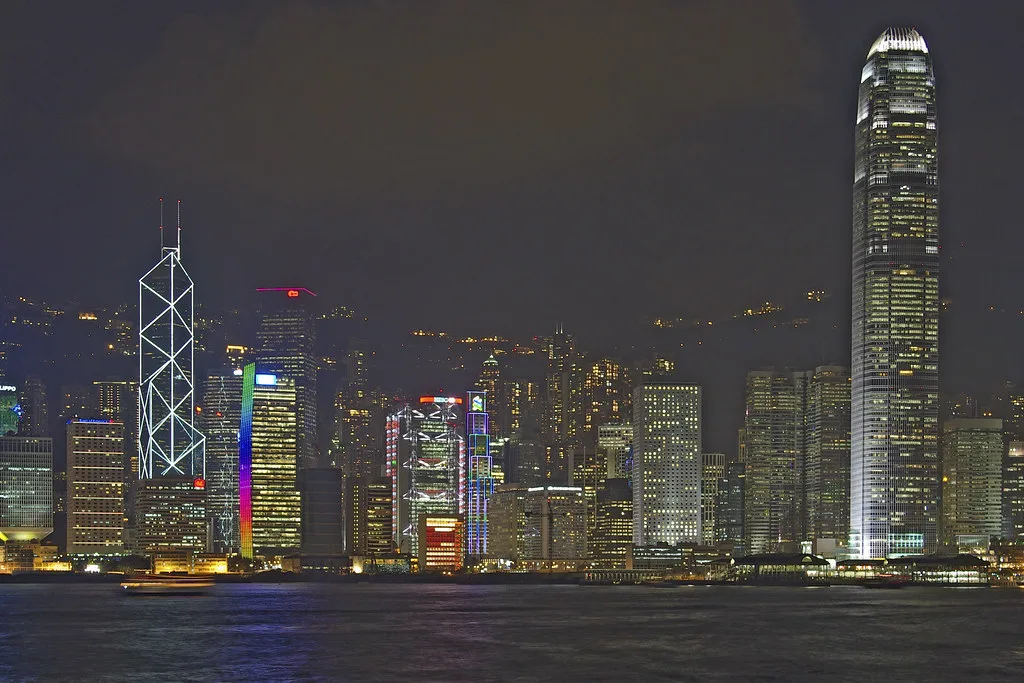
International regulators and geopolitical analysts are increasingly scrutinizing Hong Kong’s financial infrastructure for its alleged role in facilitating capital flows to Iran. This investigation, which has gained momentum throughout late 2023 and early 2024, centers on the city’s sophisticated banking network and its potential use by Tehran to bypass Western-led economic sanctions. As a global financial hub, Hong Kong provides a critical gateway for Iranian entities seeking to convert assets and maintain liquidity in the international market, prompting calls for stricter oversight from global watchdogs.
The Mechanics of Sanctions Evasion
The core of the issue lies in the complex web of shell companies and offshore accounts that characterize modern international finance. According to reports from the Foundation for Defense of Democracies (FDD), Iranian actors have utilized Hong Kong-based entities to mask the origin of funds and disguise trade transactions involving sanctioned commodities, such as oil and petrochemicals.
These operations often leverage the city’s proximity to mainland Chinese markets and its status as a free port. By routing financial transactions through Hong Kong, Iranian firms can effectively obfuscate the ultimate beneficiary, complicating the enforcement efforts of the U.S. Office of Foreign Assets Control (OFAC).
The Evolution of Financial Compliance
Hong Kong has long prided itself on maintaining a robust regulatory environment governed by the Hong Kong Monetary Authority (HKMA). However, the shifting geopolitical climate has placed the city in an increasingly difficult position between its commitment to international financial standards and its evolving diplomatic ties.
Data from global anti-money laundering (AML) firms suggest that the volume of suspicious transaction reports linked to sanctioned jurisdictions has seen a marginal uptick in the region. While the HKMA has consistently maintained that it enforces all United Nations-mandated sanctions, critics argue that the enforcement of secondary sanctions—those imposed specifically by the United States—remains a jurisdictional gray area.
Expert Perspectives on Financial Connectivity
Financial security experts emphasize that the issue is not merely one of local banking policy, but of systemic global vulnerability. “Hong Kong acts as a vital liquidity provider for entities that are otherwise locked out of the SWIFT banking system,” notes Dr. Marcus Chen, a researcher specializing in illicit financial flows.
Chen points out that the integration of Hong Kong’s banking sector with global clearance systems makes it an attractive target for bad actors. Without enhanced due diligence on beneficial ownership, the risk of the city being used as a financial funnel will likely persist, regardless of official policy stances.
Industry Implications and Future Outlook
For multinational corporations and financial institutions operating within Hong Kong, the intensifying scrutiny creates a challenging compliance environment. Firms now face the prospect of heightened due diligence requirements, which could lead to increased operational costs and the potential for reputational risk if they are found to be facilitating prohibited transactions.
The industry is now watching for potential legislative shifts or updated guidance from the HKMA regarding trade with sanctioned jurisdictions. Analysts anticipate that U.S. regulators may increase the pressure on Hong Kong banks to adopt more rigorous screening protocols for cross-border transactions involving high-risk entities. Moving forward, the effectiveness of these oversight measures will determine whether the city maintains its reputation as a transparent financial center or faces the risk of being marginalized in the global banking ecosystem.