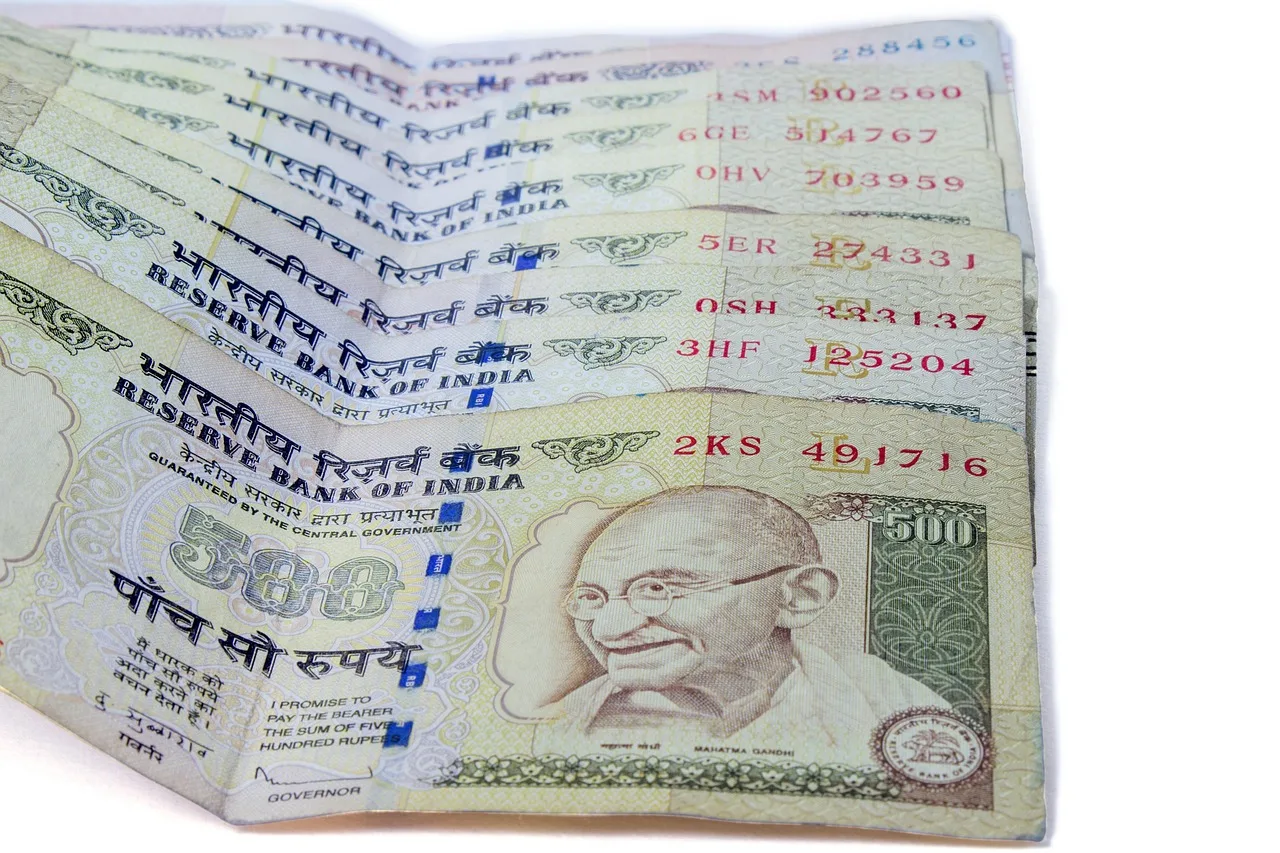





The Indian government is reportedly exploring a significant evolution of its Goods and Services Tax (GST) regime, colloquially termed “GST 2.0,” with discussions centered on introducing “behavioural nudges” through revised tax structures. This strategic shift aims to influence consumer choices across a spectrum of products, from everyday packaged foods to high-value items like air conditioners, promoting healthier lifestyles and greater sustainability in the near future across various sectors.
Understanding the Context: GST and Behavioural Economics
India’s Goods and Services Tax, implemented in 2017, unified a myriad of central and state indirect taxes into a single, multi-slab system. Its primary objective has been to streamline taxation, reduce cascading effects, and boost economic efficiency.
The concept of “behavioural nudges” draws from behavioural economics, suggesting that small interventions can steer individuals towards better decisions without limiting their freedom of choice. Governments globally have increasingly adopted such policies, often through taxation, to address public health concerns (e.g., sugar taxes) or environmental goals (e.g., carbon taxes).
This potential new phase of GST signals a move beyond mere revenue generation, positioning the tax framework as a tool for broader societal objectives.
Targeting Consumption: Packaged Foods and Air Conditioners
A key focus of the proposed GST 2.0 behavioural nudges is expected to be on consumer goods that significantly impact public health and environmental sustainability.
For **packaged foods**, the discourse revolves around potentially adjusting GST rates to differentiate between healthier and less healthy options. This could involve higher taxation on products high in sugar, salt, or unhealthy fats (often termed HFSS foods). Such a move would align with global trends where several countries have implemented ‘fat taxes’ or ‘sugar taxes’ to combat rising rates of obesity, diabetes, and other lifestyle diseases. Analysts suggest that by making healthier alternatives relatively more affordable, the government could subtly guide consumers towards better dietary choices.
In the realm of **air conditioners (ACs)**, the behavioural nudge would likely target energy efficiency. With India’s rapidly growing economy and rising temperatures, the demand for cooling appliances is soaring, placing immense pressure on the national power grid and contributing to carbon emissions. Industry insiders indicate that future GST adjustments could involve higher tax rates for less energy-efficient AC models (e.g., lower star ratings) and potentially lower rates or incentives for high star-rated, energy-efficient units. This approach aims to accelerate the adoption of energy-saving technologies, thereby contributing to India’s climate commitments and reducing the overall energy burden.
Expert Perspectives and Potential Impact
Economists largely view the integration of behavioural nudges into fiscal policy as a progressive step, aligning economic instruments with social and environmental welfare. Dr. Anjali Sharma, a policy analyst, notes, “Using GST as a lever for public good is a sophisticated policy move. However, careful calibration is essential to avoid disproportionately affecting lower-income households or creating market distortions.”
Industry associations, particularly in the food and appliance sectors, are keenly watching these developments. While some acknowledge the long-term benefits of promoting healthier and sustainable products, concerns exist regarding potential implementation complexities, compliance costs, and the impact on existing supply chains and consumer demand patterns. “Any changes must be phased in with adequate time for industry to adapt and innovate,” stated a representative from a leading consumer electronics manufacturer.
Consumer advocacy groups generally welcome initiatives that promote health and sustainability but emphasize the need for transparency and clear communication. They also caution against measures that could be perceived as regressive, urging a balanced approach that supports affordability for all segments of society.
Forward-Looking Implications
The potential introduction of behavioural nudges through GST 2.0 marks a significant shift in India’s indirect tax philosophy, moving it beyond a mere revenue-generating mechanism to a powerful tool for public policy. For consumers, this could mean a gradual shift in the affordability of certain goods, prompting more conscious purchasing decisions towards healthier food choices and energy-efficient appliances.
For industries, it presents both challenges and opportunities. Manufacturers of packaged foods may need to innovate and reformulate products to meet health criteria, while appliance makers could see an accelerated push towards research and development in energy-saving technologies. Retailers will need to adapt their pricing strategies and inventory management.
The success of these behavioural nudges will hinge on meticulous policy design, effective communication, and robust stakeholder engagement. As discussions progress within the GST Council, all eyes will be on the specific proposals and their potential to reshape India’s consumption landscape for a healthier and more sustainable future.