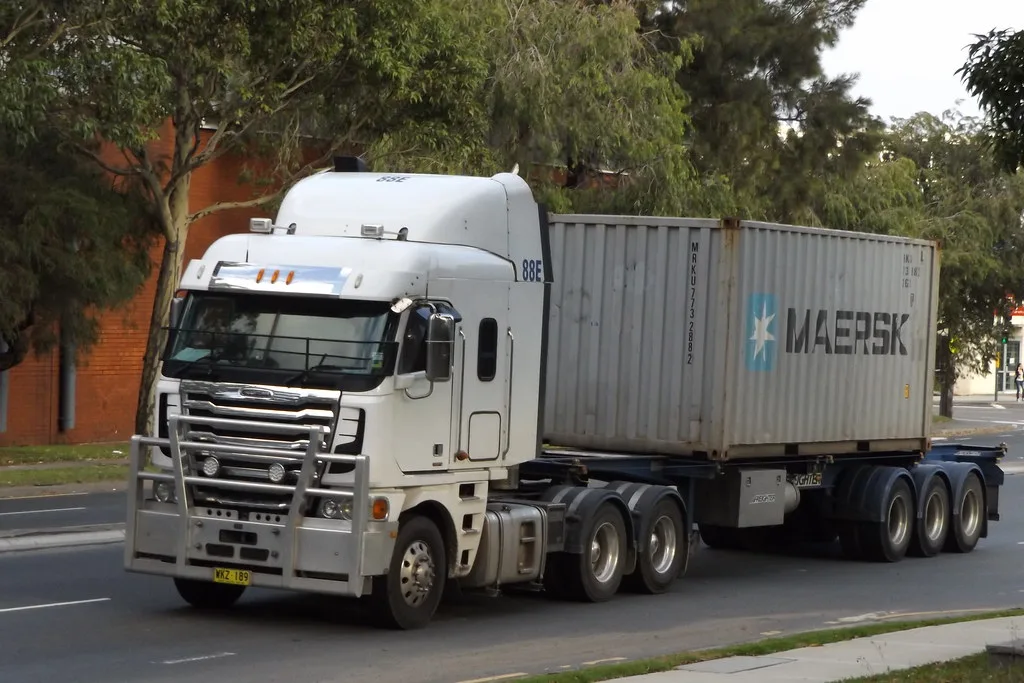






A high-level government committee is currently drafting a new regulatory framework to overhaul Special Economic Zone (SEZ) policies, aiming to grant exporters easier access to the domestic market. The initiative, spearheaded by the Ministry of Commerce and Industry, seeks to address long-standing grievances from manufacturers regarding underutilized industrial infrastructure and rigid operational constraints. By recalibrating these norms, officials hope to transform SEZs from isolated export hubs into integrated engines of domestic industrial growth.
Contextualizing the SEZ Evolution
Special Economic Zones were originally established as designated duty-free enclaves designed exclusively for export-oriented units. While they succeeded in attracting foreign direct investment, many SEZs have struggled with high vacancy rates and limited integration with the broader domestic economy. The existing legislative framework, largely governed by the SEZ Act of 2005, imposes strict regulatory hurdles for units attempting to sell goods domestically.
These companies currently face significant tax implications and administrative complexities when attempting to divert surplus production to local buyers. As global supply chain dynamics shift, the government is revisiting these laws to ensure that domestic manufacturers remain competitive against cheaper imports while simultaneously boosting local production capacity.
Strategic Shifts in Policy
The proposed changes focus on streamlining the ‘de-bonding’ process, which currently governs how goods transition from export-only status to domestic availability. Sources familiar with the discussions indicate that the panel is considering a more flexible duty structure that would allow units to pay taxes only on the imported inputs used in the finished product, rather than on the total value of the goods sold domestically.
Industry experts argue that this shift aligns with the government’s broader ‘Make in India’ initiative. By lowering the barriers for SEZ units to cater to the domestic market, the government aims to reduce the logistics costs associated with dual-inventory management. This transition is expected to encourage companies to consolidate their operations within these zones rather than maintaining separate facilities for export and domestic distribution.
Expert Analysis and Economic Impact
Economists suggest that the move could significantly improve the ease of doing business for thousands of manufacturers. According to data from the Ministry of Commerce, India hosts over 260 operational SEZs, but many remain significantly under-leveraged due to the bifurcated nature of the current tax regime.
“Allowing SEZ units to function as multi-purpose manufacturing hubs will unlock massive latent capacity,” says a senior trade analyst. “It effectively turns these zones into industrial townships that can serve both global and local demand simultaneously, optimizing capital utilization.” However, domestic industry players have expressed concerns regarding potential market disruption, urging the government to ensure that the new norms do not inadvertently lead to an influx of unfairly priced foreign goods.
Future Implications and Market Outlook
The success of these reforms will likely hinge on the clarity of the transition rules and the speed of bureaucratic implementation. As the panel finalizes its recommendations, businesses should prepare for a potential shift in supply chain logistics that prioritizes domestic distribution networks. Observers will be watching closely for the formal notification of these rules, which are expected to serve as a litmus test for the government’s commitment to industrial modernization.
Looking ahead, the integration of SEZ units into the domestic retail and wholesale supply chain could reshape the competitive landscape for mid-sized manufacturers. Stakeholders should monitor upcoming parliamentary sessions for legislative amendments that would provide the legal backing required for these operational changes. If successfully implemented, the policy could catalyze a surge in domestic manufacturing activity by the next fiscal year.