









Strategic Energy Security Measures
In a decisive move to bolster national energy security, the government has directed domestic oil and gas companies to establish a mandatory 30-day reserve of Liquefied Petroleum Gas (LPG). This directive, issued this week, comes in direct response to escalating geopolitical tensions in the Strait of Hormuz, a critical maritime chokepoint through which a significant portion of global energy supplies transits. By enforcing this buffer, authorities aim to insulate the domestic market from potential supply shocks and price volatility triggered by regional instability in the Middle East.
Context of Global Supply Chain Vulnerability
The Strait of Hormuz serves as the world’s most vital oil transit corridor, with approximately 21 million barrels of petroleum liquids passing through daily, according to data from the U.S. Energy Information Administration. Any disruption in this narrow waterway, whether through military conflict or geopolitical posturing, poses an immediate threat to the global energy supply chain. Historically, shifts in the region have led to sharp spikes in energy costs, impacting both industrial production and household affordability.
Operational Shifts for Energy Firms
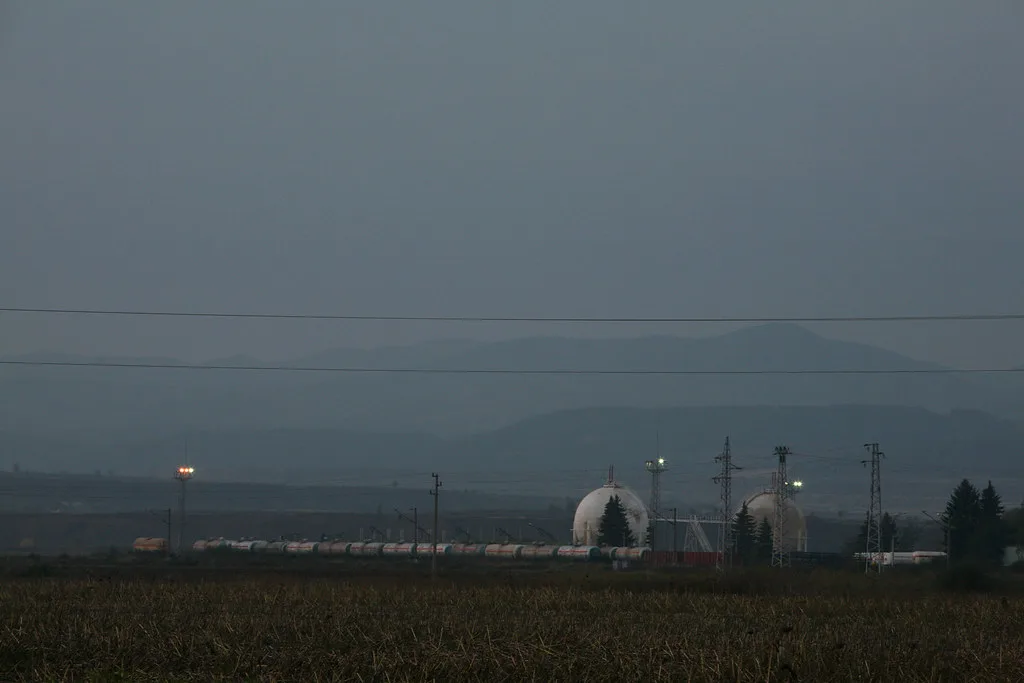
Oil companies are now tasked with upgrading their storage infrastructure to accommodate the new inventory requirements. Industry analysts suggest that this shift will necessitate significant capital expenditure, as many existing facilities were not designed for long-term, high-volume storage of LPG. Furthermore, companies must now navigate a complex logistics landscape to secure steady supply chains while maintaining these mandatory reserves without disrupting current market distribution.
Expert Perspectives on Market Stability
Energy economists view the mandate as a prudent defensive strategy against an increasingly unpredictable geopolitical environment. Dr. Aris Thorne, a senior energy policy analyst, notes that “reserves act as a vital shock absorber for the economy, preventing panic buying and price gouging during periods of acute supply chain disruption.” Meanwhile, market data indicates that while the initial cost of compliance may be substantial, the long-term benefit of price stabilization could outweigh the initial burden on the sector.
Broader Economic Implications
The requirement represents a fundamental change in how the private sector manages its inventory, shifting from a lean, just-in-time model to a security-first approach. For the average consumer, this policy aims to dampen the effects of global oil fluctuations, theoretically providing a more stable pricing environment for cooking gas and heating fuel. However, critics of the plan argue that the cost of maintaining these reserves may ultimately be passed down to the end-user, potentially driving up inflation in the energy sector.
Future Outlook and Monitoring
As companies begin the process of scaling up their storage capabilities, the government is expected to provide oversight to ensure full compliance within the designated timeline. Observers are now looking toward the upcoming quarter to see how these storage requirements impact quarterly earnings and whether additional subsidies will be provided to offset infrastructure development costs. The success of this initiative will likely be measured by the nation’s resilience during the next period of regional volatility, serving as a test case for future energy security policies in a changing global landscape.