





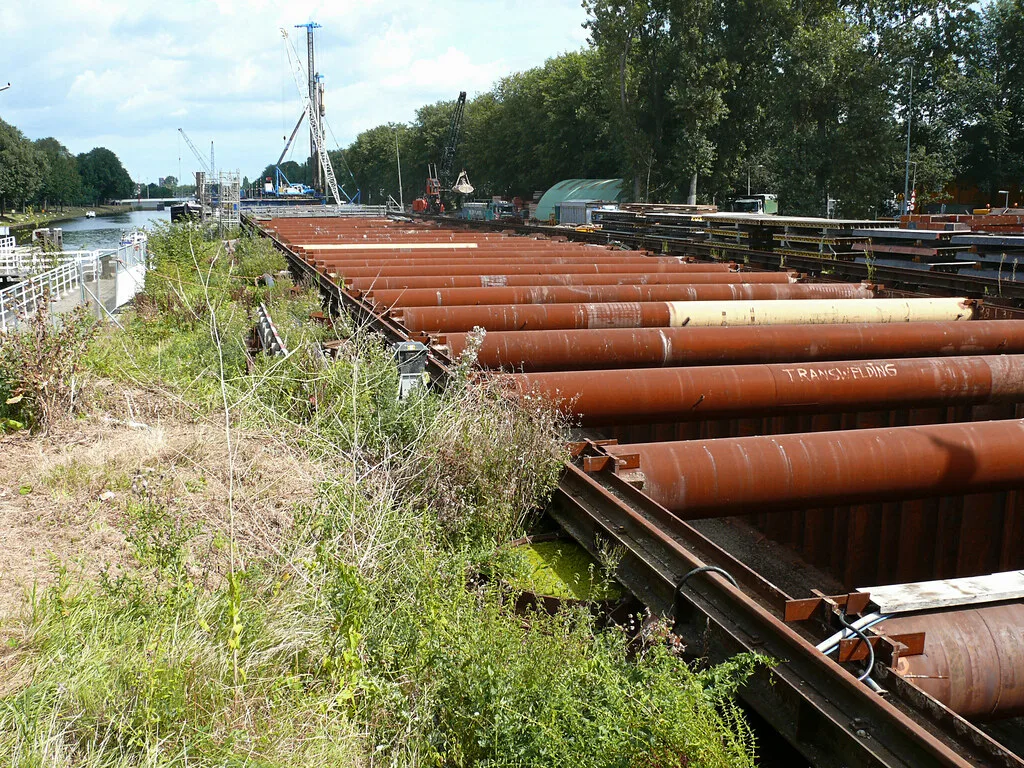
A senior Finance Ministry official confirmed this week that the government intends to maintain its aggressive capital expenditure (capex) push for the 2027 fiscal year, despite increasing fiscal pressures stemming from heightened global economic uncertainties. This strategic commitment aims to bolster domestic growth by prioritizing critical infrastructure sectors, including highways, railways, shipping, ports, and urban development.
Context of the Fiscal Strategy
For several years, the government has utilized public infrastructure investment as a primary lever to stimulate economic activity and attract private capital. By front-loading expenditure on physical assets, policymakers aim to lower logistics costs and improve the country’s overall competitive edge.
However, the current geopolitical landscape, marked by volatile commodity prices and fluctuating global trade patterns, has placed significant strain on the national exchequer. Despite these challenges, the Finance Ministry maintains that scaling back public investment would risk stalling the ongoing economic recovery and industrial expansion.
Strategic Focus on Infrastructure
The government’s roadmap for FY27 emphasizes sectors that provide the highest multiplier effect on the economy. Highways and railways remain the backbone of this strategy, with substantial budgetary allocations earmarked for network expansion and modernization.
Ports and shipping infrastructure are also slated for significant upgrades to streamline export-import processes. Urban development initiatives will focus on sustainable infrastructure, aiming to improve connectivity and public amenities in rapidly expanding metropolitan regions.
Recent data from the Ministry of Statistics and Programme Implementation suggests that public capex has been a key driver of GDP growth over the past four quarters. Analysts note that for every rupee spent on infrastructure, the economy typically realizes a significant return through job creation and increased demand for raw materials.
Expert Perspectives and Economic Data
Independent economists observe that while fiscal discipline is essential, infrastructure investment is a necessary cost for long-term development. Dr. Aruna Sen, a macro-economist at the Institute for Economic Growth, notes that maintaining high capex levels is a calculated risk.
“The government is betting that the long-term productivity gains from these assets will eventually outweigh the short-term fiscal deficits,” Sen stated. She added that the focus on logistics-heavy sectors like shipping and rail is particularly prudent given the current global focus on supply chain resilience.
Market participants have largely welcomed the stability in policy direction. However, they caution that the efficiency of project execution will be the ultimate determinant of success in a high-interest-rate environment.
Future Implications and Outlook
The government’s decision to prioritize physical infrastructure signals a move to insulate the economy from global volatility by strengthening internal demand. Readers and industry stakeholders should monitor the upcoming budget announcements for specific allocation details and potential public-private partnership (PPP) models designed to share the fiscal burden.
Looking ahead, the focus will shift toward the pace of project implementation and the ability of the government to crowd in private investment. Watch for updates on project tenders in the shipping and rail sectors, as these will serve as key indicators of the government’s progress toward achieving its FY27 infrastructure targets.