




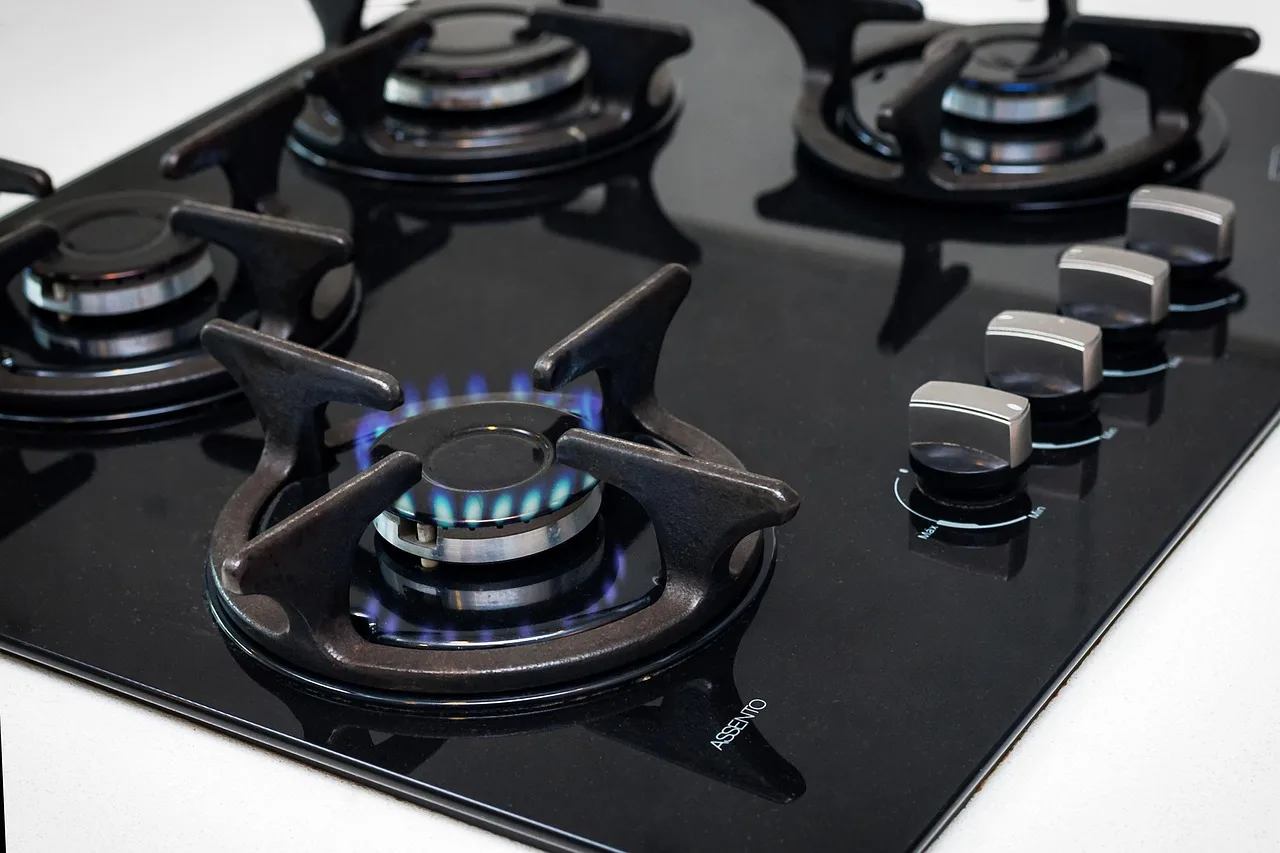
The Indian government has initiated a nationwide verification drive to identify households possessing both Liquefied Petroleum Gas (LPG) cylinders and Piped Natural Gas (PNG) connections. This move, launched by the Ministry of Petroleum and Natural Gas this month, aims to streamline subsidy distribution and prevent the unauthorized hoarding of dual cooking fuel sources across urban centers.
The Context of Fuel Subsidies
For decades, the government has provided heavily subsidized LPG cylinders to millions of low-income families to ensure access to clean cooking fuel. As urban infrastructure has expanded, the rollout of PNG networks has accelerated, offering a continuous supply of gas directly to homes.
However, regulatory guidelines stipulate that households opting for the convenience of piped gas should ideally surrender their subsidized LPG connections. Despite these mandates, a significant number of consumers have retained both, creating a disparity in resource allocation.
Understanding the Scope of the Audit
Data from the Petroleum Planning and Analysis Cell (PPAC) indicates that while PNG penetration has increased by nearly 15% over the last three years, LPG subscription rates have not seen a corresponding decline in urban districts. Officials state that the current audit is designed to ensure that fuel subsidies reach only those who lack access to alternative infrastructure.
The verification process involves cross-referencing consumer identification numbers, such as Aadhaar and Consumer Numbers, against the databases of both state-run Oil Marketing Companies (OMCs) and private city gas distribution entities. Field agents are also conducting physical checks in high-density residential areas to confirm the active status of these dual connections.
Expert Perspectives on Resource Efficiency
Energy policy analysts argue that this audit is a necessary step toward fiscal consolidation. “Subsidies are a finite resource intended for the most vulnerable populations,” notes Dr. Anjali Rao, an energy economist. “Maintaining dual connections in affluent urban households creates an unnecessary strain on the national exchequer and diverts funds that could be better utilized for the expansion of clean energy in rural regions.”
Others suggest that the transition to PNG has been inconsistent, leading many households to keep an LPG cylinder as a backup. Industry reports show that technical outages in PNG networks remain a primary concern for consumers, prompting them to hold onto their cylinders as a safety net against service disruptions.
Implications for the Consumer
For the average household, this audit means an increased likelihood of being contacted by their gas service provider to clarify their current utility status. Consumers found to be holding both connections may be required to choose one, with those opting for PNG likely being asked to surrender their LPG cylinders to avoid penalties or the forfeiture of their subsidy eligibility.
The industry is now preparing for a shift toward a more integrated digital dashboard that will prevent the registration of dual connections at the point of sale. Looking ahead, stakeholders should watch for updated government guidelines regarding the ‘grace period’ for surrender, as well as potential incentives for households that voluntarily relinquish their LPG connections in favor of piped alternatives.