



Balancing Energy Economics
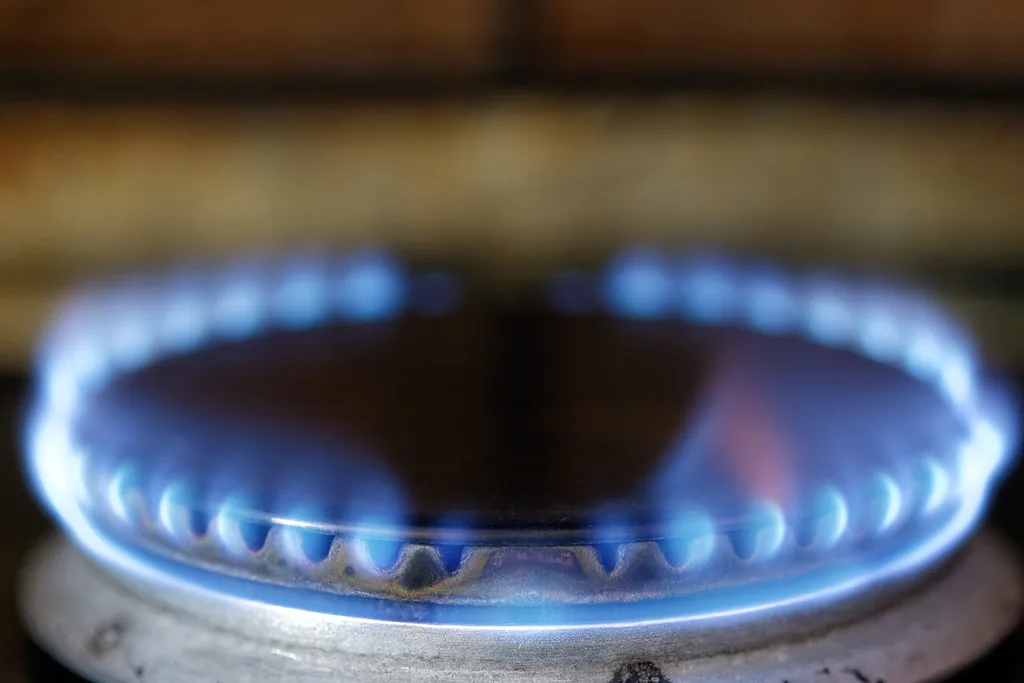
Government officials confirmed this week that the recent increase in Liquefied Petroleum Gas (LPG) prices was a necessary measure to balance consumer interests with the financial viability of state-run oil marketing companies. While domestic LPG costs have risen, the administration clarified that there are currently no plans to adjust the retail prices of petrol and diesel, providing a measure of stability for transport and logistics sectors.
The Context of Energy Pricing
State-run oil companies have faced mounting pressure in recent months due to volatile global crude oil prices and fluctuating exchange rates. Historically, these firms have absorbed significant losses to keep domestic fuel prices stable during periods of international market turbulence. The decision to adjust LPG rates reflects a strategic shift to ensure that these companies maintain the liquidity required to procure energy supplies without passing the full burden of global inflation onto consumers.
Navigating Market Pressures
The decision to decouple LPG pricing from petrol and diesel reflects a targeted approach to energy management. By keeping petrol and diesel prices unchanged, the government aims to curb inflationary pressures that typically follow fuel price hikes, which would directly impact food and commodity transport costs. Analysts suggest this strategy is intended to protect the broader economy from a cascading effect of price increases.
Data from recent industry reports indicate that while oil marketing companies have seen improved margins due to lower crude costs in certain quarters, the cumulative impact of past under-recoveries remains a concern. The government maintains that the current pricing model is designed to be dynamic, allowing for adjustments only when the financial health of the energy sector is at risk, rather than as a reflection of daily market fluctuations.
Expert Perspectives
Energy analysts note that the government is walking a tightrope between fiscal prudence and social welfare. According to sector experts, the LPG price hike is a calculated move to prevent the erosion of the oil companies’ balance sheets, which are critical for infrastructure investment. However, critics argue that the burden of these adjustments often falls disproportionately on middle-class households that rely heavily on LPG for domestic cooking.
Independent market data suggests that global crude benchmarks have remained relatively range-bound, allowing the government some breathing room. Despite this, the administrative oversight of fuel pricing remains a sensitive political issue, with the government emphasizing that retail prices are reviewed periodically to ensure that the global market volatility does not lead to domestic supply shortages.
Future Implications and Market Outlook
Looking ahead, industry observers are closely monitoring the stability of global crude oil markets to see if the current price freeze on petrol and diesel can be sustained through the next fiscal quarter. The long-term implication of this policy is a potential shift toward a more market-linked pricing mechanism, though political considerations often override purely economic calculations in the energy sector. Stakeholders should watch for upcoming government announcements regarding subsidies and any potential adjustments to the excise duty structure, which could serve as an alternative lever to maintain price stability without forcing further hikes on the consumer.