



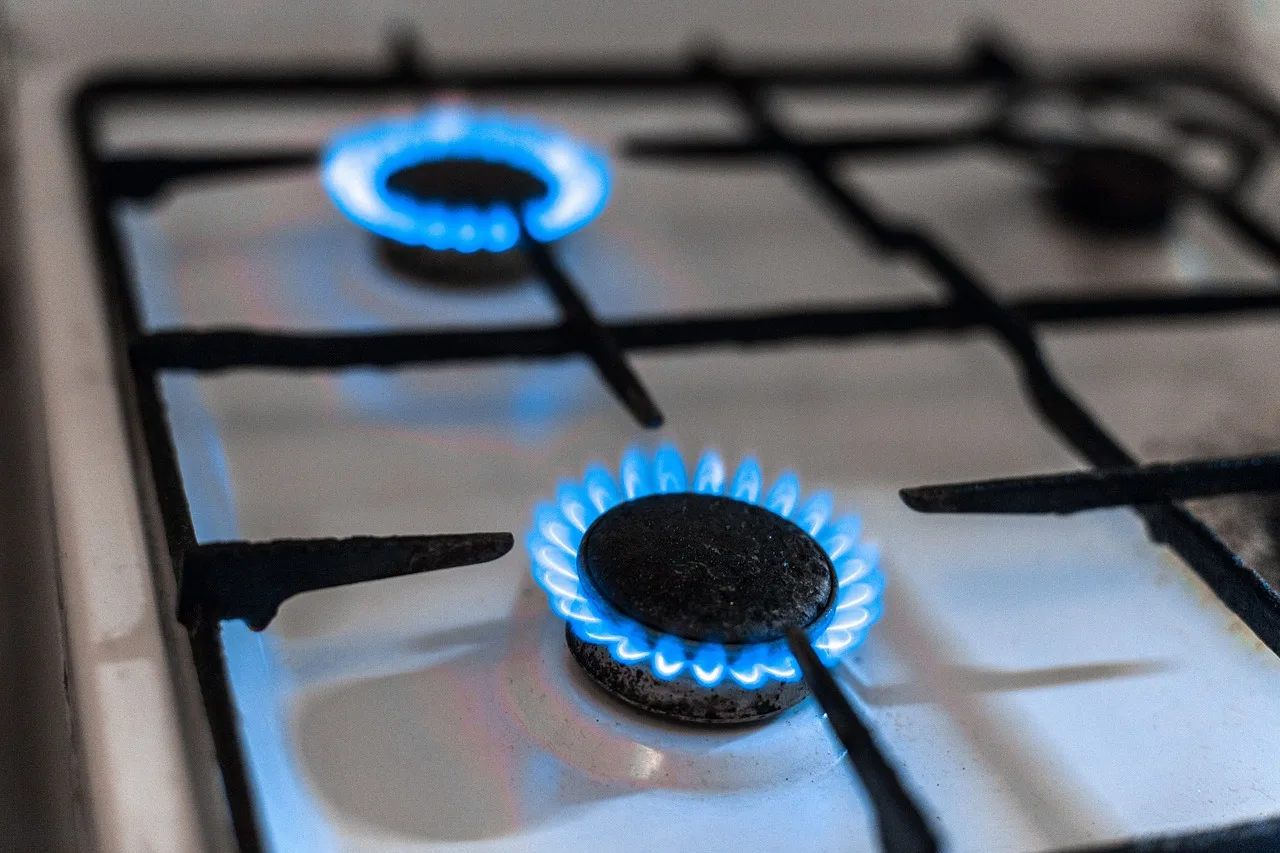
The Indian government has revised the subsidy structure for the Pradhan Mantri Ujjwala Yojana (PMUY), capping the number of subsidized LPG cylinders available to eligible beneficiaries at four per financial year. This policy shift, confirmed in recent reports, marks a significant departure from the previous allowance of nine cylinders and seeks to streamline public expenditure on energy subsidies.
Context and Policy Evolution
Launched in 2016, the Ujjwala scheme was designed to provide clean cooking fuel to women from low-income households, replacing traditional fuels like firewood and coal. By providing upfront financial support and subsidized refills, the program aimed to improve public health and reduce environmental degradation caused by indoor air pollution.
Over the years, the government has periodically adjusted the subsidy amount and the frequency of refills based on global crude oil prices and fiscal constraints. The decision to limit the subsidy to four cylinders comes as the administration seeks to balance welfare commitments with the need for fiscal consolidation amid volatile international energy markets.
Impact on Beneficiaries and Energy Consumption
For the millions of households enrolled in the PMUY, this change directly affects the affordability of clean cooking fuel. While the subsidy remains intact for the first four cylinders, households requiring more than that amount will now be required to pay the full market price for additional refills.
Data from the Petroleum Planning and Analysis Cell (PPAC) indicates that average LPG consumption per household under the Ujjwala scheme has historically been lower than the previous nine-cylinder limit. However, critics argue that for larger families or those reliant entirely on LPG for their daily cooking needs, the shift could lead to a reversion to traditional, solid fuels.
Expert Perspectives and Fiscal Strategy
Economic analysts suggest that this move is part of a broader government strategy to target subsidies more precisely. By reducing the volume of subsidized cylinders, the exchequer aims to lower the burden of the fuel subsidy bill, which has faced pressure from rising global gas prices.
“The government is clearly prioritizing fiscal discipline while maintaining a safety net for the most vulnerable,” notes an energy policy researcher. “The challenge lies in ensuring that this reduction in subsidized volume does not discourage the adoption of clean cooking practices that the scheme worked so hard to establish.”
Future Implications and Market Outlook
The immediate consequence of this policy is an anticipated increase in the out-of-pocket expenditure for frequent LPG users. Industry observers will be closely monitoring whether this price sensitivity leads to a decline in the number of refills booked by Ujjwala beneficiaries in the coming quarters.
Moving forward, the government may face pressure to introduce tiered subsidy structures or targeted relief if market prices remain elevated. Stakeholders will also watch for potential shifts in demand patterns, as the market adjusts to a reality where the government subsidizes only the baseline usage of cooking gas rather than high-volume consumption.


