









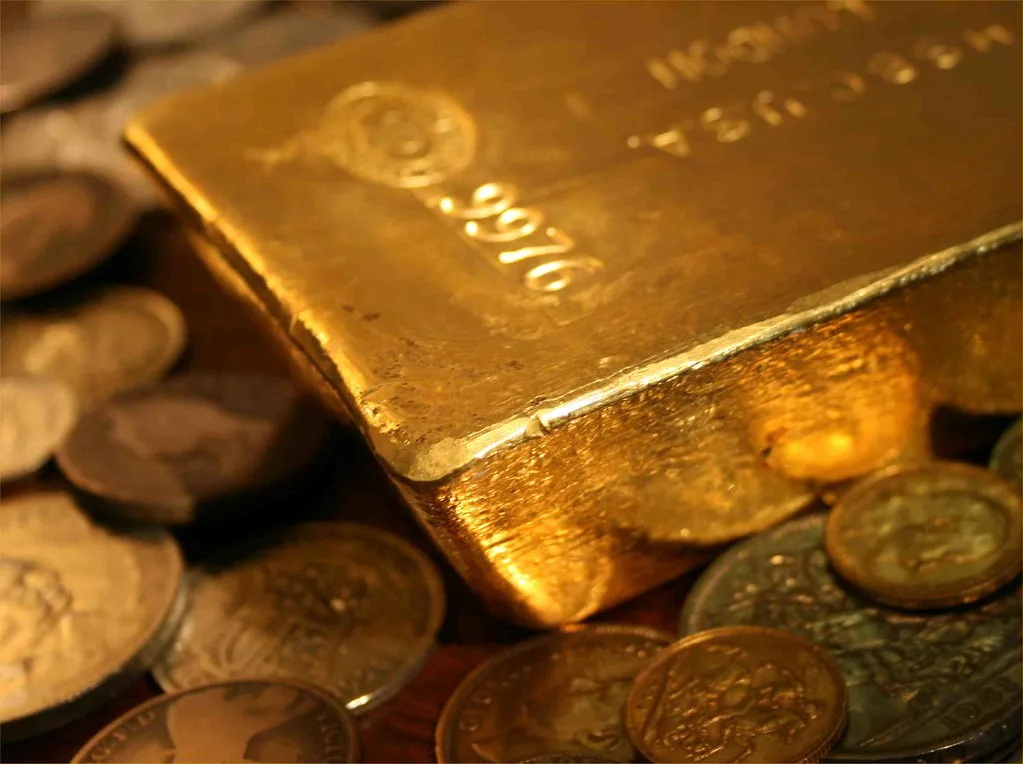
Gold Prices Retreat as Geopolitical Instability Persists
Gold prices extended their decline on Tuesday as renewed military clashes between the United States and Iran threatened to dismantle a fragile regional truce. The escalation, triggered by fresh U.S. airstrikes in retaliation for the downing of a military helicopter, has introduced a new layer of volatility into global financial markets, forcing investors to reassess the metal’s role as a traditional safe-haven asset.
Contextualizing the Market Volatility
Historically, gold has functioned as a primary hedge against geopolitical uncertainty, often surging when conflict disrupts trade or threatens energy supplies. However, the current market reaction deviates from this pattern, as investors grapple with the complex interplay between military escalation and central bank monetary policies. The ongoing conflict has kept oil prices elevated, creating inflationary pressures that complicate the outlook for global economic growth.
Analyzing the Divergence in Investor Sentiment
Market analysts note that the recent sell-off in gold highlights a shifting focus among institutional investors who are currently prioritizing high-yield assets over non-yielding bullion. While conflict typically invites buying, the strengthening of the U.S. dollar, driven by expectations of sustained interest rate levels, has exerted significant downward pressure on gold prices. This dynamic creates a challenging environment for traders who are attempting to price in both the risk of regional contagion and the potential for a prolonged military standoff.
Expert Perspectives on Commodity Trends
Commodity strategists point out that the downing of the military helicopter serves as a critical inflection point, signaling that the previous ceasefire was largely symbolic. According to data from the World Gold Council, investor sentiment remains sensitive to shifts in U.S. foreign policy, yet the current price action suggests a degree of exhaustion regarding geopolitical shocks. Analysts suggest that the market is currently caught in a tug-of-war between the desire for safety and the reality of a robust dollar, leading to the observed price stagnation.
Economic Implications for Global Markets
The persistence of these clashes suggests that supply chains linked to the Middle East face continued disruption, which could lead to increased energy costs for manufacturing sectors globally. For individual investors, the current environment necessitates a cautious approach, as price swings are likely to remain acute until a diplomatic resolution is reached. The correlation between energy price spikes and gold performance will remain a key metric for those monitoring the impact of the conflict on broader financial stability.
Future Outlook and Key Indicators
Looking ahead, market participants are closely monitoring upcoming statements from defense officials and central bank governors for clues regarding the duration of the military engagement. Should the conflict widen, the traditional safe-haven status of gold may be tested once more, potentially reversing the current downward trend. Observers should watch for any shifts in regional diplomatic efforts or unexpected updates regarding military deployments, as these factors will dictate the next phase of price movement in precious metals markets.