







Market Turmoil Unfolds in Seoul
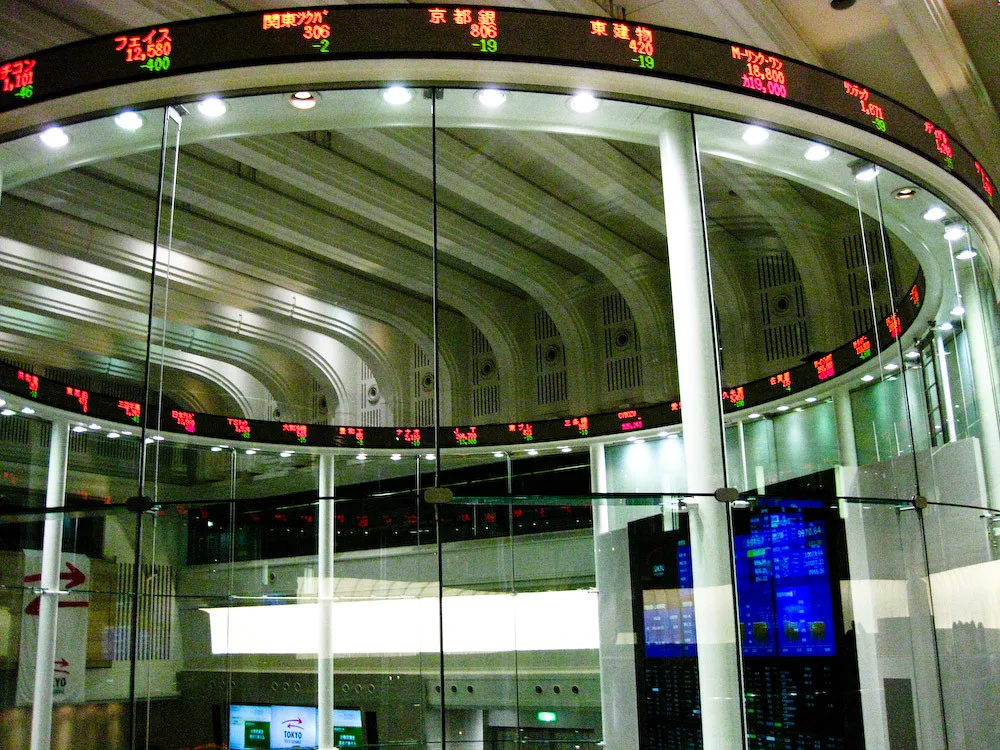
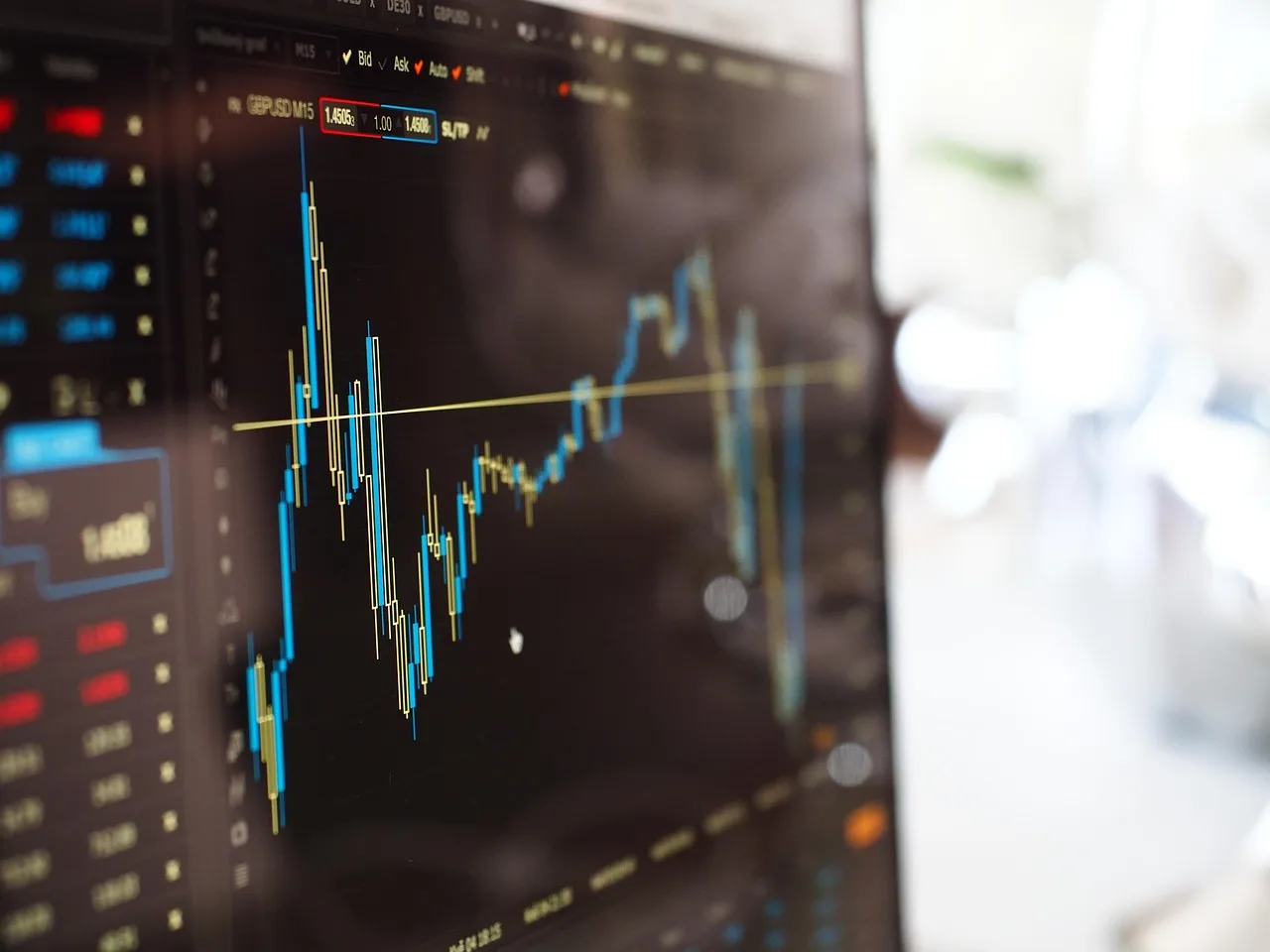
South Korea’s benchmark KOSPI index triggered a temporary trading halt on Monday morning after plummeting 8% in early session activity, marking a significant escalation in global market volatility. The sharp decline was primarily driven by a massive sell-off in heavyweight semiconductor stocks, mirroring a broader retreat in artificial intelligence and technology equities across international markets.
The Catalyst Behind the Decline
The sudden market downturn follows a wave of pessimism regarding the sustainability of the AI-driven rally that dominated stock indices throughout the first half of the year. Last Friday, major U.S. chipmakers experienced significant losses, with Nvidia shares falling over 6%, while industry peers including AMD, Micron, SanDisk, and Western Digital saw their valuations tumble between 11% and 13%. This contagion effect hit the Seoul exchange particularly hard, as South Korean firms are central to the global semiconductor supply chain.
Impact on Local Industry Leaders
Samsung Electronics and SK Hynix, the two largest components of the KOSPI, bore the brunt of the investor exodus. Both companies saw their share prices drop by 11% and 10% respectively within the first hour of trading before initiating a modest recovery attempt. Analysts suggest that investors are recalibrating their portfolios as concerns mount over the actual capital expenditure return on investment for the next generation of generative AI infrastructure.
Expert Analysis and Market Sentiment
Market strategists point to a convergence of factors fueling the current volatility, including fears of a potential U.S. economic slowdown and the unwinding of the yen-carry trade. According to data from the Korea Exchange, the rapid sell-off triggered the ‘sidecar’ mechanism, a regulatory circuit breaker designed to stabilize markets during extreme swings. While the initial panic appeared to subside slightly by midday, the sheer speed of the decline underscores a fragile sentiment among retail and institutional investors alike.
Industry Implications and Future Outlook
The current market instability signals a period of heightened caution for the technology sector, which has been the primary engine of global equity growth for the past eighteen months. If the sell-off persists, it could force a significant reassessment of valuation multiples for AI-reliant hardware manufacturers. Investors are now closely monitoring upcoming quarterly earnings reports and macroeconomic data releases from the United States to determine if the current dip represents a temporary correction or a deeper structural shift in market leadership. Observers will be watching for signs of liquidity intervention by major central banks and whether semiconductor demand remains resilient in the face of cooling global economic indicators.