




Market Reactions to Diplomatic Stagnation
Oil prices surged in early trading on Monday following a high-stakes summit between U.S. President Donald Trump and Chinese President Xi Jinping in Beijing, where the two leaders failed to reach a substantive agreement regarding the ongoing conflict in Iran. The diplomatic stalemate has effectively extinguished immediate hopes for a resolution to the blockade of the Strait of Hormuz, a critical maritime chokepoint responsible for the transit of approximately 20% of the world’s petroleum supply.
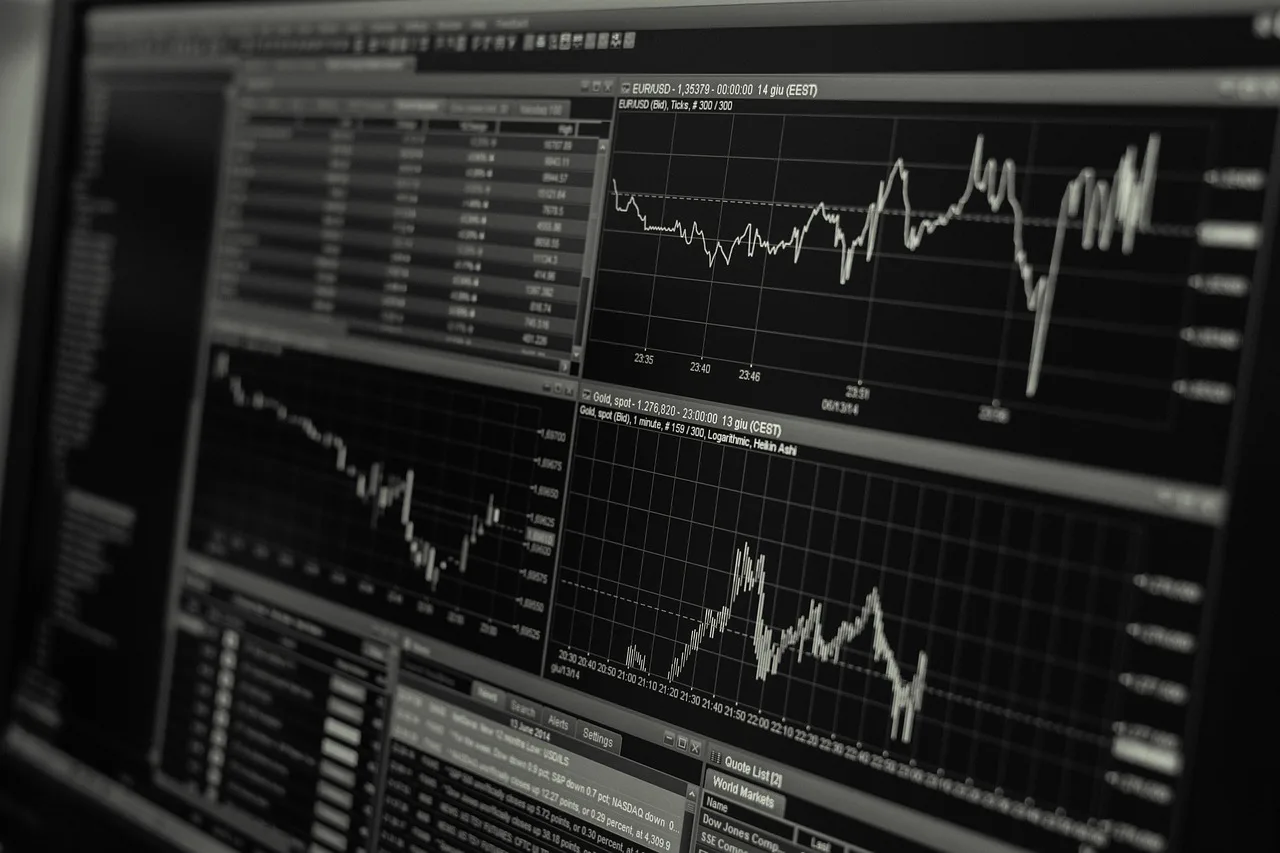
Investors reacted swiftly to the lack of progress, pushing Brent crude futures up by 3.4% to reach $88.50 per barrel within hours of the announcement. Market analysts suggest that the absence of a joint U.S.-China initiative leaves the region in a state of continued volatility, with no clear diplomatic path toward reopening the vital energy corridor.
The Strategic Significance of the Strait
The Strait of Hormuz serves as the world’s most important oil transit chokepoint, acting as the primary artery for crude oil exports from Saudi Arabia, Iraq, the United Arab Emirates, and Kuwait. Any disruption to this narrow waterway forces tankers to seek longer, more expensive shipping routes, drastically increasing global logistics costs and tightening supply chains.
Tensions in the region escalated late last month when military activity near the Iranian coast led to the suspension of commercial tanker traffic. While global powers have called for de-escalation, the reliance on Beijing to exert leverage over Tehran remains a central tenet of U.S. foreign policy. China, as the largest importer of Iranian oil, is seen by many in Washington as the only entity capable of compelling the Iranian government to return to the negotiating table.
Expert Perspectives on Energy Security
Market analysts note that the failure to reach a breakthrough at the summit signals a prolonged period of energy uncertainty. “The market was pricing in a potential breakthrough, or at least a framework for de-escalation,” said Sarah Jenkins, a senior commodities strategist at Global Energy Insights. “Without that, we are looking at a sustained risk premium on every barrel of oil traded for the foreseeable future.”
Data from the International Energy Agency indicates that global spare capacity is already at a five-year low. This leaves the market exceptionally vulnerable to supply shocks, meaning any further escalation in military activity or a failure to secure the Strait could trigger a rapid and significant spike in pump prices for consumers worldwide.
Implications for the Global Economy
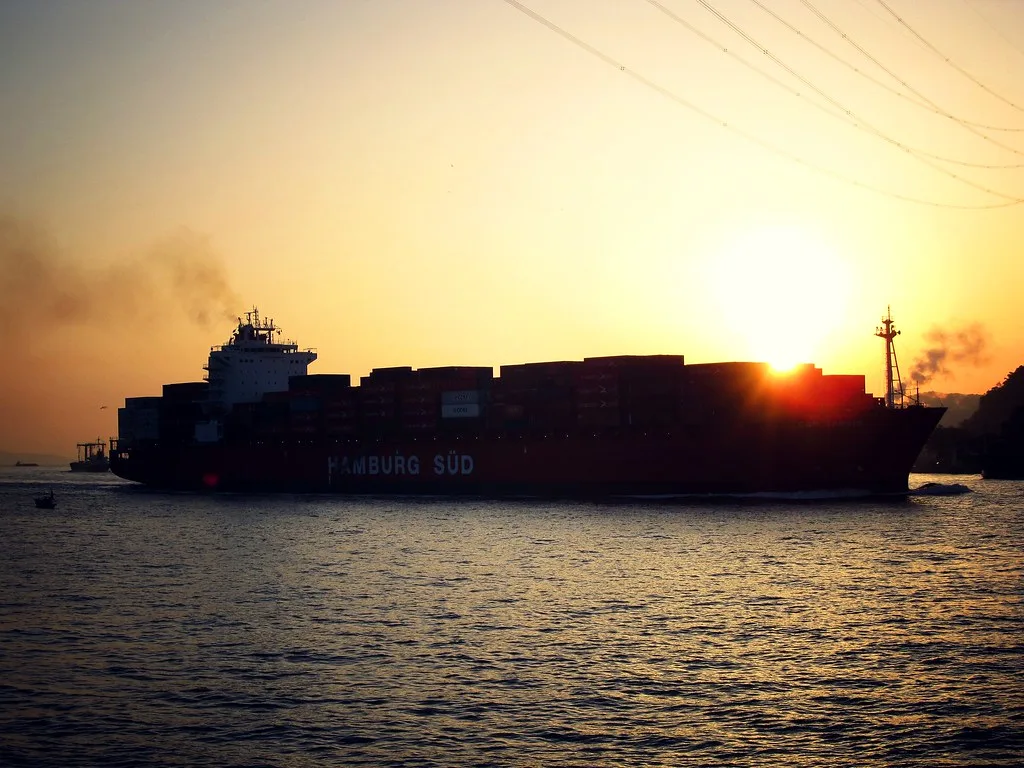
For the broader industry, the inability to secure a deal suggests that shipping companies will continue to reroute vessels, adding substantial time and fuel costs to global energy transit. This trend is likely to exert upward pressure on inflation, as higher energy costs filter through the manufacturing and transportation sectors.
Looking ahead, market participants are shifting their focus to the upcoming session of the United Nations Security Council, where further sanctions or diplomatic maneuvers are expected to be discussed. Observers are also monitoring the movement of naval assets in the Persian Gulf, as any change in military posture will serve as a primary indicator of whether the standoff is moving toward a resolution or further intensification.