





U.S. President Donald Trump is scheduled to meet with Chinese President Xi Jinping this week to discuss strategies for de-escalating the ongoing conflict in the Middle East, specifically focusing on the volatile Strait of Hormuz. The high-level diplomatic summit, taking place amid rising geopolitical instability, aims to leverage China’s economic influence over Iran to push for an immediate cessation of hostilities. As a primary consumer of Iranian oil, China’s participation is viewed by analysts as a critical lever in determining the future of global energy security.
The Strategic Significance of the Strait of Hormuz
The Strait of Hormuz serves as the world’s most important oil chokepoint, with approximately 21 million barrels of oil passing through the waterway daily, according to the U.S. Energy Information Administration. Any disruption to this narrow passage, which connects the Persian Gulf to the Gulf of Oman, creates immediate ripples in global energy pricing.
Recent escalations in the region have stoked fears among traders that tanker traffic could be halted or targeted. These concerns have maintained a risk premium on crude oil prices, forcing markets to remain sensitive to any diplomatic developments involving major global powers.
The Role of Diplomatic Pressure
The White House is seeking to secure a commitment from Beijing to use its diplomatic channels to persuade Tehran to de-escalate. China has historically maintained a complex relationship with Iran, serving as its largest trading partner and a major buyer of its crude exports despite international sanctions.
Energy analysts suggest that if China agrees to align with Western calls for stability, the resulting pressure could be significant. “Beijing holds the cards that Tehran needs most right now: economic survival through continued trade,” noted senior market strategist Marcus Thorne. “If the Chinese leadership signals that their economic support is contingent on regional stability, the calculus in Tehran could shift rapidly.”
Market Volatility and Investor Sentiment
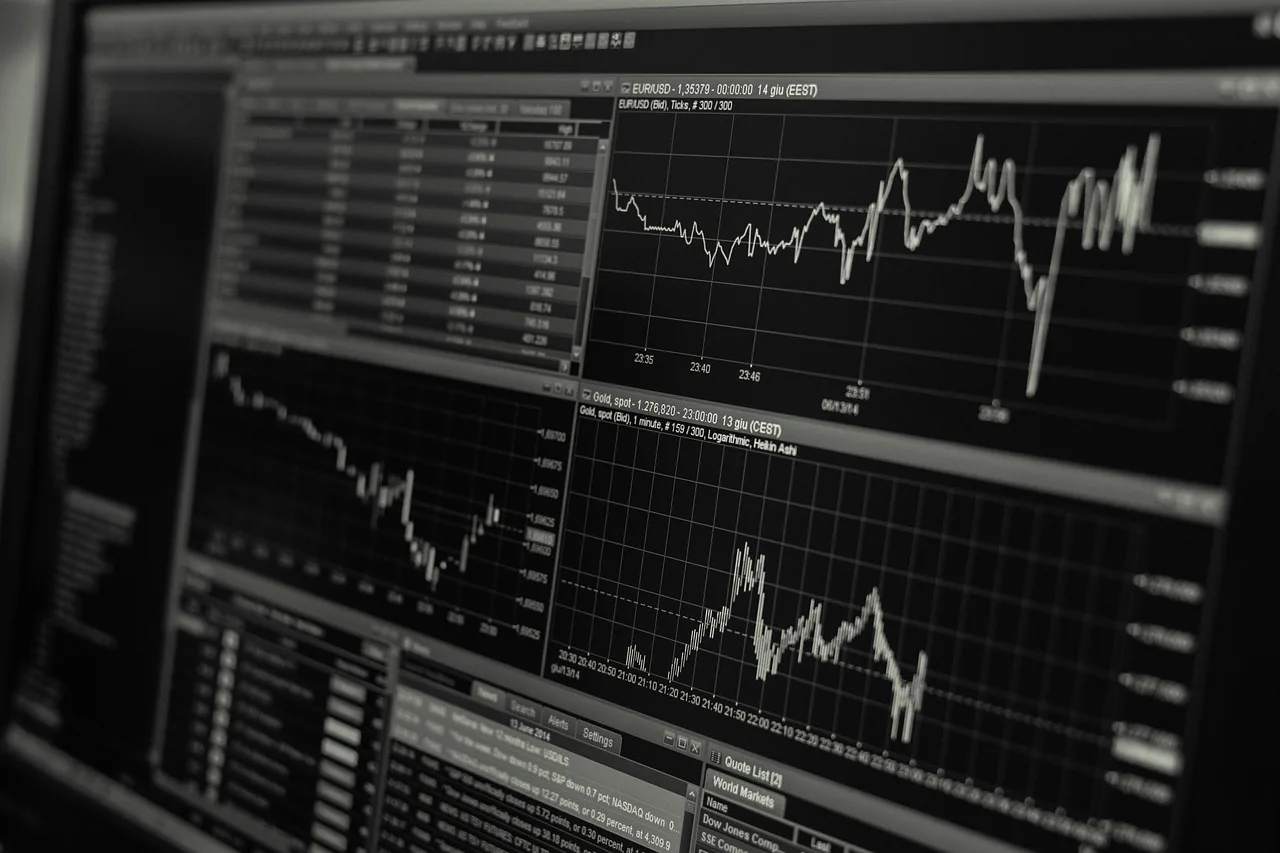
Global oil prices have demonstrated significant volatility in the lead-up to the summit, oscillating between gains and losses as traders weigh the potential for a breakthrough against the risk of a diplomatic stalemate. Data from the Intercontinental Exchange indicates that options trading volume for Brent crude has surged to record highs, signaling heightened investor anxiety.
Institutional investors are currently adopting a wait-and-see approach, keeping trading ranges tight until more concrete outcomes from the meeting are announced. For the average consumer, this means that energy costs—which are heavily influenced by global crude benchmarks—are likely to remain unpredictable in the short term.
Broader Implications for the Global Economy
The outcome of these talks will have profound implications for global inflation and supply chain stability. An easing of tensions could lead to a stabilization or even a decline in oil prices, providing relief to central banks currently battling persistent inflationary pressures.
Conversely, a failure to reach a consensus could embolden regional actors, potentially leading to a sustained period of high energy prices that would burden global economic growth. Industry experts are closely monitoring whether the U.S. and China can move beyond their own bilateral trade frictions to find common ground on this urgent security matter.
Looking Ahead
Market watchers are advised to monitor the post-summit joint statements for any specific language regarding maritime security initiatives or trade adjustments. The coming weeks will likely reveal whether these diplomatic overtures translate into tangible security improvements or if the region faces a prolonged period of uncertainty. Investors should prepare for continued price fluctuations until a clear signal emerges regarding the flow of oil through the Strait of Hormuz.