





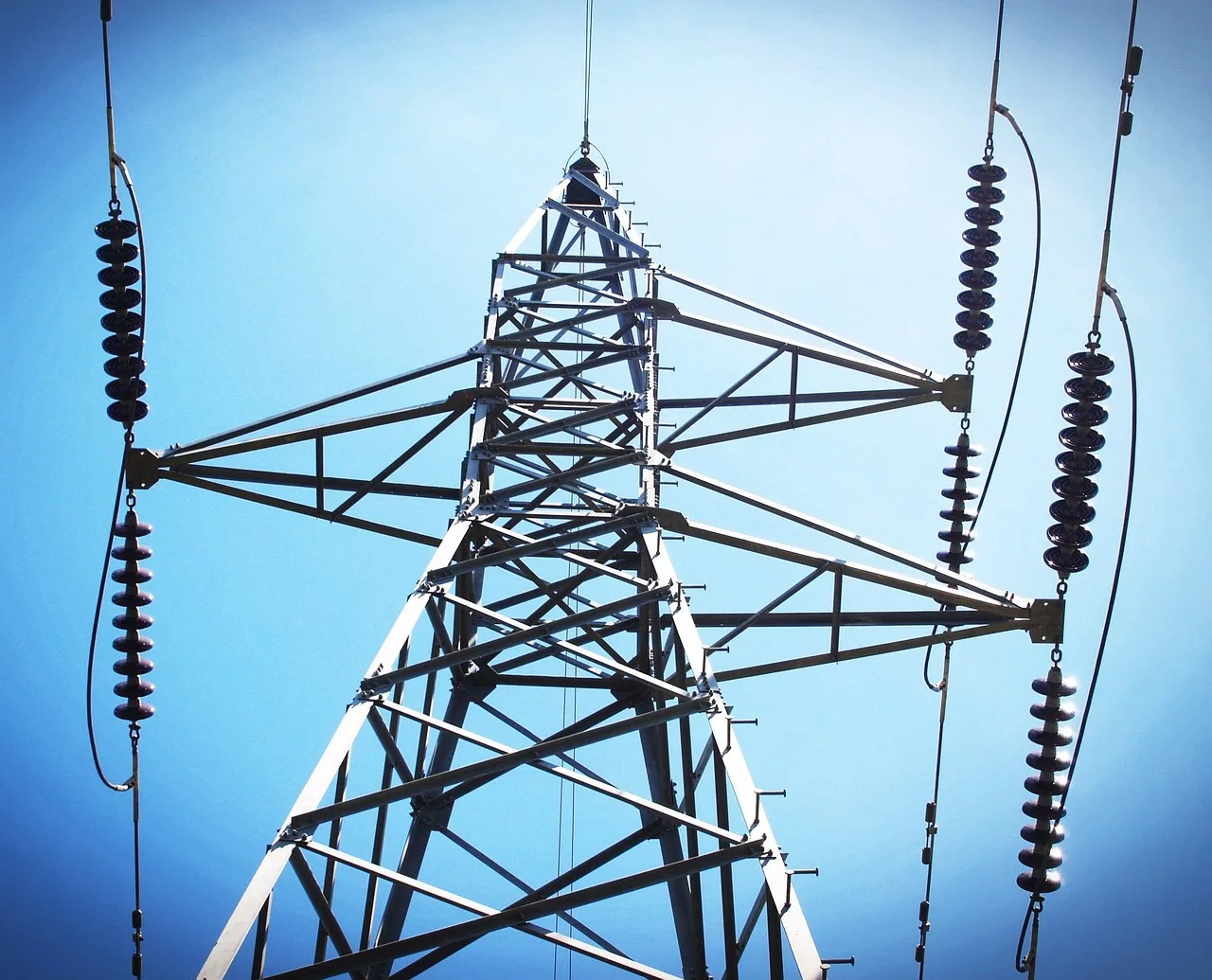
Global energy markets are currently experiencing heightened volatility this week as investors recalibrate positions across oil futures, major utility providers like Korea Electric Power Corporation (KEPCO), and infrastructure giants such as National Grid. Driven by a confluence of geopolitical tensions, shifting regulatory environments, and fluctuating demand forecasts, market analysts are closely monitoring how these bellwether companies navigate a period of intense capital expenditure and price sensitivity.
Contextualizing the Energy Transition
The energy sector is undergoing a massive structural shift as nations balance the immediate need for reliable baseload power with long-term decarbonization targets. Traditional utility companies are struggling to maintain profitability while simultaneously funding the massive infrastructure upgrades required to integrate renewable energy sources into aging grids.
For players like National Grid, this transition represents both an opportunity for regulated asset growth and a challenge in managing rising debt levels. Investors are scrutinizing balance sheets to determine if these utilities can sustain dividend payouts while investing heavily in the modernization of transmission networks.
Analyzing Market Performance and Utility Pressures
Oil futures have seen erratic trading sessions as markets weigh the impact of potential supply disruptions against concerns regarding global economic cooling. This uncertainty directly impacts the cost structure for utility providers that still rely on fossil-fuel-based generation, creating a complex hedging environment.
In East Asia, Korea Electric Power Corporation (KEPCO) remains a focal point for analysts due to persistent concerns over energy pricing policies and the financial burden of high fuel import costs. The company’s ability to pass costs on to consumers remains a contentious political and economic issue, influencing its stock performance and institutional sentiment.
Data from recent market reports suggest that utility stocks are currently trading at a premium in some regions, reflecting their status as defensive assets in a high-interest-rate environment. However, the increased cost of capital is beginning to dampen the appetite for new, large-scale utility projects that require significant upfront investment.
Expert Perspectives on Future Viability
Financial analysts point to the widening gap between utility capital expenditures and consumer tariff adjustments as a primary risk factor. Industry experts note that without supportive regulatory frameworks, many utilities will face margin compression that could lead to credit rating downgrades.
“The industry is caught between a rock and a hard place,” says one energy market strategist. “Utilities must modernize their grids to survive the transition, but the fiscal space to fund these upgrades is shrinking as inflation pressures remain elevated.”
Furthermore, the integration of artificial intelligence and automated grid management is being touted as a potential solution to operational inefficiencies. Companies that successfully implement these technologies may find themselves with a distinct competitive advantage in the coming decade.
Looking Ahead: Strategic Implications for Investors
The immediate outlook for the energy sector will be defined by how central banks manage interest rates and how governments address the energy trilemma: security, affordability, and sustainability. Investors should watch for upcoming quarterly earnings reports, which will provide the first concrete data on how rising operational costs are impacting net income margins.
Regulatory decisions regarding tariff hikes in major markets will serve as a bellwether for utility sector profitability in the second half of the year. Additionally, any major shifts in global oil supply chains will likely trigger secondary reactions in the share prices of diversified power generation firms, making the next few months a critical period for sector-wide reassessment.