





The Price Surge
The Indian government, in coordination with state-run oil companies, increased petrol and diesel prices by Rs 3 per litre and CNG by Rs 2 per kg this past Friday. This marks the first such hike in nearly four years, driven by the escalating geopolitical conflict in West Asia and the resulting volatility in global crude oil markets. The revision immediately impacts household budgets and logistics sectors, raising concerns about a potential increase in retail inflation across the country.
Context of the Energy Crisis
India remains highly vulnerable to global oil fluctuations, as it imports a significant portion of its energy needs. The current West Asia crisis has disrupted supply chains from key partners like Qatar and the UAE, which previously accounted for approximately 40 percent of India’s natural gas imports. This disruption has driven up crude premiums, freight costs, and insurance rates, while a depreciating rupee has further exacerbated the financial burden on domestic fuel retailers.
The Shift to Electric Freight
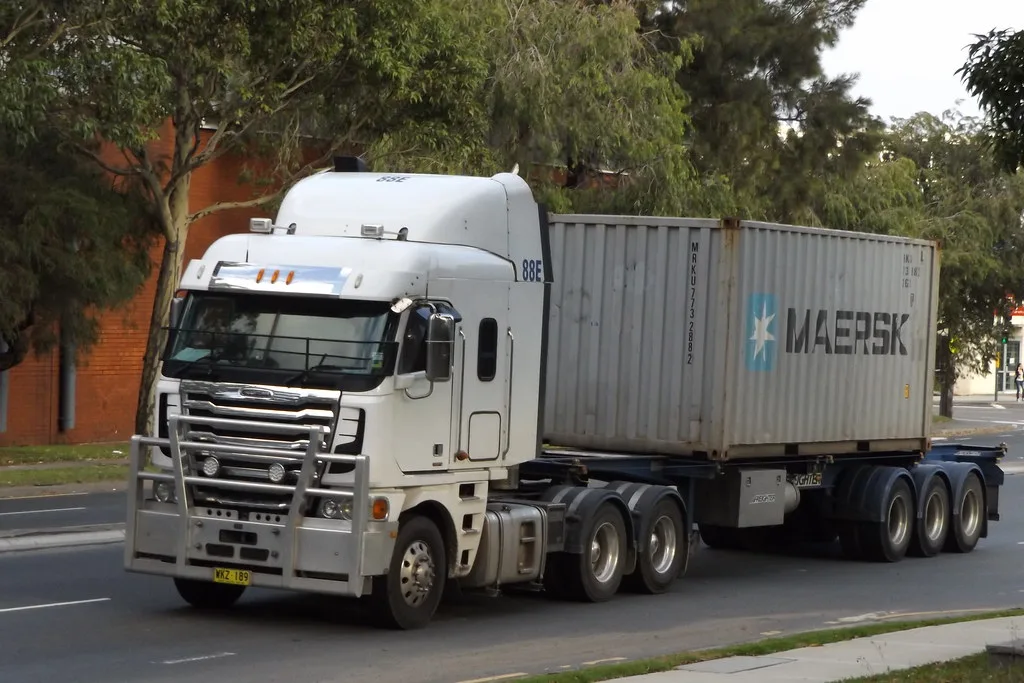
In response to the diesel crunch, the logistics industry is accelerating its transition toward electric heavy-duty trucks. According to a recent report by C40 Cities and The Climate Pledge, the cost gap between electric and diesel trucks is narrowing rapidly. Currently, 55-tonne electric trucks carry a price premium of only 3 to 4 percent over their diesel counterparts, with industry analysts expecting full price parity within the next twelve months.
Infrastructure and Policy Roadmap
To support this transition, the government has introduced the National EV Highway Guidance Framework. This initiative targets the phased electrification of 20 priority highway corridors by 2027. The project, informed by the Laneshift pilot program—which successfully completed 200,000 kilometers of testing on the Bengaluru-Chennai route—aims to establish a fully electric national freight network by 2035. Data from these pilots confirms that electric trucks are already commercially viable for daily operations exceeding 400 kilometers.
Expanding LNG Capabilities
Beyond electrification, India is prioritizing the expansion of Liquefied Natural Gas (LNG) storage capacity to bolster energy security. Petronet LNG, the country’s largest gas importer, is spearheading efforts to diversify supply sources beyond the Middle East to mitigate the impact of future geopolitical shocks. Because natural gas is essential for electricity generation, fertilizer production, and industrial feedstock, the government views increasing storage capacity as a strategic necessity.
Looking Ahead
As freight demand in India is projected to grow fourfold by 2050, the dual strategy of scaling EV trucking and diversifying LNG imports will be critical for achieving net-zero emissions by 2070. Market observers will be watching the pace of charging infrastructure deployment along the Golden Quadrilateral and the extent to which private fleet operators continue to shift capital expenditure toward zero-exhaust emission vehicles in the coming fiscal quarters.