



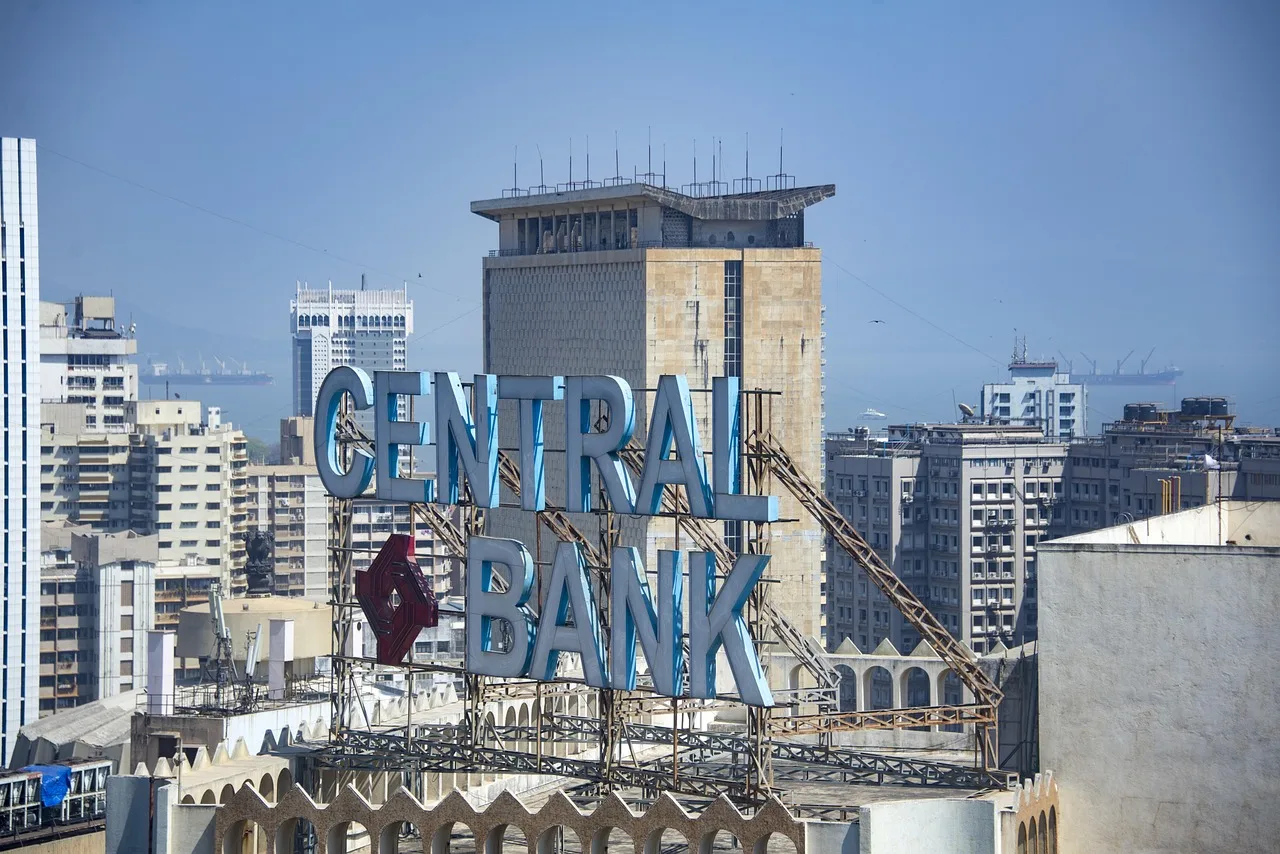
Revisiting Monetary Policy Priorities
Former Reserve Bank of India (RBI) Governor Duvvuri Subbarao has argued that India’s current inflation targeting framework should have explicitly incorporated an ‘exchange rate stability’ clause to better navigate global economic volatility. Speaking at a recent industry event, Subbarao emphasized that while the existing framework has provided a necessary anchor for price stability, it has left the central bank with limited tools to manage the external shocks that frequently impact the Indian Rupee.
Subbarao noted that the current mandate, which prioritizes consumer price inflation, often forces the central bank into a ‘trilemma’ where it must choose between managing interest rates, maintaining an open capital account, and stabilizing the currency. He suggested that by formalizing exchange rate considerations, policymakers could improve the resilience of the domestic economy against volatile capital flows.
The Context of Inflation Targeting
India adopted a formal flexible inflation targeting (FIT) framework in 2016, following the recommendations of the Urjit Patel Committee. Under this regime, the RBI is tasked with keeping retail inflation within a band of 4% with a margin of +/- 2%. This move was intended to move away from multiple-indicator approaches toward a more transparent, rule-based monetary policy.
However, the global economic landscape has shifted significantly since 2016. Post-pandemic supply chain disruptions, coupled with aggressive interest rate hikes by the U.S. Federal Reserve, have placed immense pressure on emerging market currencies. Critics of the current narrow focus argue that by ignoring the exchange rate, the central bank risks importing inflation through currency depreciation, which undermines the very goal of price stability.
Structural Reforms and Capital Flows
Subbarao highlighted that monetary policy alone cannot be the sole instrument for economic stabilization. He called for urgent structural reforms to enhance the productivity of the Indian economy, which would, in turn, make the country a more attractive destination for long-term foreign direct investment (FDI).
Data from the RBI indicates that while net foreign portfolio investment (FPI) has remained volatile, stable FDI flows are essential to balancing the current account deficit. Subbarao argued that if the policy environment remains disjointed, short-term capital flight could continue to destabilize the rupee, complicating the RBI’s efforts to maintain target inflation levels.
Industry and Academic Perspectives
Economic analysts remain divided on the proposal. Supporters suggest that a ‘multi-objective’ framework, similar to those used by several other emerging market central banks, would provide the RBI with greater flexibility during periods of global financial stress. Conversely, some economists warn that adding too many mandates to the central bank could dilute the clarity of the inflation-targeting regime, potentially confusing markets and weakening the credibility of the monetary policy committee.
Recent data from the RBI’s ‘State of the Economy’ report acknowledges that currency volatility remains a significant risk factor for domestic price stability. Despite this, the current policy stance maintains that the exchange rate should be determined by market forces, with the central bank intervening only to curb excessive volatility rather than defending a specific price level.
Implications for Future Policy
The debate sparked by Subbarao suggests that as India integrates further into the global financial system, the existing policy framework will likely undergo rigorous review. Investors should watch for upcoming discussions regarding the potential revision of the RBI’s mandate ahead of the next policy cycle. If policymakers shift toward a broader mandate, it could signal a more interventionist approach to currency management in the coming years.