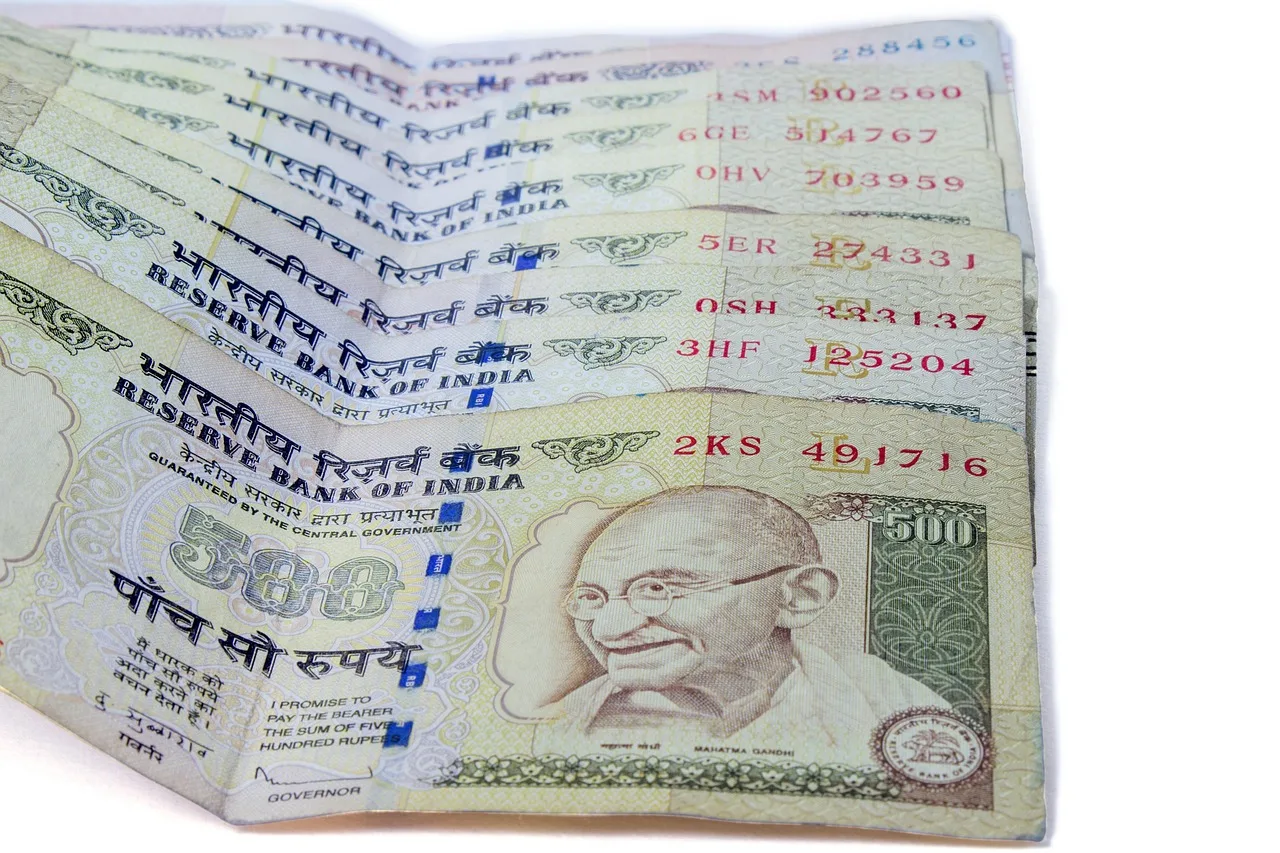






Former Reserve Bank of India (RBI) Deputy Governor Michael Patra has publicly urged the central bank to consider accessing the United States Federal Reserve’s Foreign and International Monetary Authorities (FIMA) repo facility to bolster the Indian rupee. This proposal, made amidst increasing volatility in global currency markets, suggests that utilizing this specific liquidity window could provide the necessary buffer to prevent excessive depreciation against the strengthening US dollar.
Understanding the FIMA Repo Facility
The FIMA repo facility was established by the Federal Reserve in 2020 to provide a temporary source of dollar liquidity to foreign central banks. By allowing these institutions to temporarily exchange their holdings of US Treasury securities for US dollars, the Fed aims to support the smooth functioning of global financial markets during periods of stress.
For the RBI, which maintains significant reserves in US Treasury bonds, this facility represents an untapped mechanism to access immediate liquidity. By utilizing this window, the central bank could intervene in the domestic currency market without having to liquidate its long-term bond holdings at potentially unfavorable prices.
The Rationale Behind the Proposal
The core of the argument lies in the current macroeconomic environment where emerging market currencies face immense pressure from high US interest rates. As capital flows back to the United States in search of higher yields, the Indian rupee has experienced periodic bouts of sharp volatility.
Dr. Patra suggests that proactive engagement with the FIMA facility would signal market confidence and provide the RBI with a sophisticated tool for liquidity management. This approach would allow the central bank to manage the pace of rupee depreciation more effectively, ensuring that it remains orderly and does not disrupt domestic financial stability.
Economic Perspectives and Market Data
Financial analysts note that the RBI has historically preferred to intervene directly through spot and forward market sales to manage volatility. While this approach has been successful in building foreign exchange reserves to record levels exceeding $600 billion, it has also required the sterilization of liquidity to manage domestic inflation.
According to data from the Bank for International Settlements, global currency volatility remains elevated, with many central banks adopting more flexible frameworks to manage exogenous shocks. Proponents of the FIMA facility argue that it offers a non-inflationary way to access dollars, as it effectively swaps existing assets rather than increasing the supply of currency in circulation.
Implications for the Industry
If the RBI chooses to integrate the FIMA repo facility into its toolkit, it would mark a significant shift in India’s external sector management strategy. For corporate borrowers with high levels of external commercial borrowings (ECBs), this move could lower hedging costs by providing a more stable outlook for the rupee.
Furthermore, this potential policy adjustment could influence how institutional investors view the stability of the Indian market. Increased access to liquidity buffers typically correlates with higher investor confidence, potentially mitigating the impact of global risk-off sentiments on Indian equities and debt markets.
Moving forward, market participants will watch for any official commentary from the RBI regarding the formal utilization of the FIMA facility. Observers should monitor upcoming monetary policy committee meetings and any updates to the central bank’s external liquidity management strategy, as these will indicate whether the regulator intends to adopt this broader approach to currency intervention.