





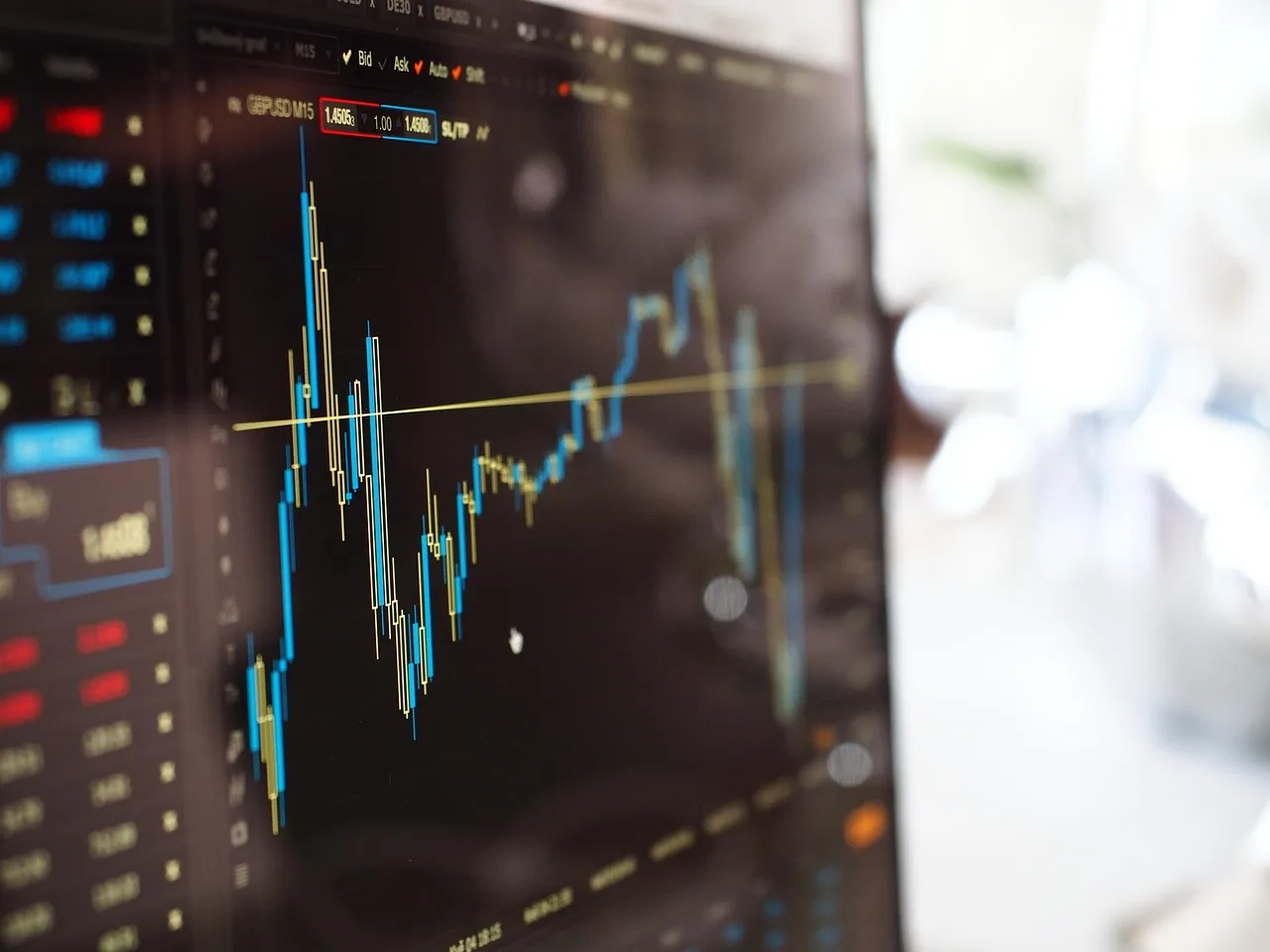
Federal Reserve officials expressed a growing willingness to increase interest rates during their latest policy meeting in April, citing the escalating conflict with Iran as a primary driver of economic instability. The minutes released from the meeting, which marked the final session under outgoing Chair Jerome H. Powell, revealed a significant shift in sentiment among policymakers who previously anticipated a period of stable or declining borrowing costs.
The Geopolitical Catalyst
The sudden shift in the Federal Reserve’s outlook stems directly from the war with Iran, which has introduced unprecedented volatility into global energy markets. As oil prices fluctuate in response to supply chain fears, inflation expectations have begun to creep upward, forcing central bankers to reconsider their previous stance on monetary easing.
Economists note that the conflict has disrupted trade routes and increased the cost of shipping, creating a supply-side shock that complicates the Fed’s dual mandate of price stability and maximum employment. While the Federal Open Market Committee (FOMC) had spent months telegraphing a potential pivot, the current geopolitical environment has effectively sidelined those plans.
Shifting Economic Priorities
During the April discussions, several participants emphasized that the inflation data, while showing signs of cooling in early 2024, now faces new upward pressure. The minutes indicate that a majority of the committee members believe that if inflation remains stubbornly above the two percent target, further restrictive action would be necessary to prevent a de-anchoring of expectations.
Market analysts point out that this hawkish stance represents a departure from the “wait and see” approach adopted earlier this year. Data from the Bureau of Labor Statistics suggests that core inflation remains sticky, particularly in the services sector, providing further justification for the committee’s newfound urgency.
Expert Perspectives
Financial experts are closely monitoring the transition of leadership at the Federal Reserve, noting that the incoming administration will inherit a precarious balancing act. “The committee is clearly signaling that they are prepared to prioritize inflation control over the risk of slowing economic growth,” said Sarah Jenkins, Chief Economist at Global Macro Research.
Recent data underscores the difficulty of the Fed’s position, as consumer spending has remained resilient despite high interest rates. However, the committee’s minutes reflect a growing concern that this resilience may be masking deeper structural vulnerabilities that could be exacerbated by high-cost borrowing.
Industry Implications
For businesses and consumers, the prospect of higher interest rates signals a continuation of tight credit conditions and higher costs for capital. Corporations that were counting on rate relief to refinance debt may now need to adjust their balance sheets to account for a sustained high-rate environment.
The housing market and automotive sectors are expected to remain under pressure, as mortgage and auto loan rates typically track closely with the federal funds rate. Financial institutions are already recalibrating their risk models, reflecting the uncertainty introduced by the Fed’s increasingly aggressive rhetoric.
Looking Ahead
Market observers will be watching the upcoming employment reports and consumer price index data to determine if the committee’s hawkish stance will translate into immediate policy action at the next meeting. The primary focus remains on whether the conflict in the Middle East will continue to escalate or if a temporary stabilization in energy prices might allow the Fed to maintain current rates. Investors should monitor the inaugural policy statements from the new leadership, as these will provide the clearest signal regarding the long-term trajectory of interest rates in an increasingly volatile global economy.