





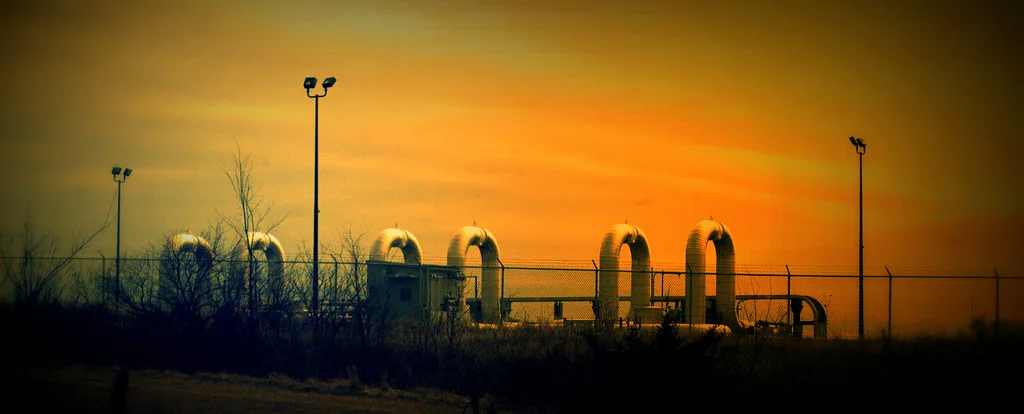
Enbridge Inc. CEO Greg Ebel announced on Tuesday that the company is prepared to evaluate the construction of a new oil pipeline to Canada’s west coast, a move that follows a landmark energy agreement signed hours earlier by Prime Minister Mark Carney and Alberta Premier Danielle Smith. The announcement marks a significant shift in the strategic outlook for Canada’s energy infrastructure, signaling a potential expansion of export capacity to meet rising global demand.
Context of the Energy Agreement
The deal between the federal government and Alberta’s provincial leadership aims to bridge the long-standing divide between environmental policy and industrial expansion. By establishing a new framework for carbon management and emissions regulation, the agreement provides a clearer regulatory landscape for major energy projects.
For years, pipeline expansion in Canada has been stalled by legal challenges, environmental opposition, and uncertainty regarding federal climate targets. This new pact attempts to harmonize these competing interests by incentivizing carbon capture and storage technologies as a prerequisite for new infrastructure.
Shifting Industry Dynamics
Enbridge’s interest reflects a broader trend among midstream energy firms looking to capitalize on modernized regulatory paths. The company, which already operates a vast network of pipelines across North America, is evaluating whether the new political climate justifies the multi-billion dollar capital expenditure required for a major project.
Market analysts note that the global demand for Canadian crude, particularly in Pacific markets, remains high. However, the lack of sufficient pipeline capacity has historically forced producers to sell at a discount, impacting both provincial tax revenues and corporate profits.
Expert Perspectives and Economic Data
Energy analysts from the International Energy Agency (IEA) suggest that while global energy systems are transitioning toward renewables, the demand for fossil fuels in the near term remains resilient. The IEA’s latest outlook projects that infrastructure upgrades will be necessary to ensure energy security during the transition period.
Proponents of the expansion argue that a new pipeline could inject billions into the Canadian economy and create thousands of construction jobs. Conversely, environmental advocacy groups have expressed concern that any new pipeline capacity contradicts the nation’s stated commitment to reaching net-zero emissions by 2050.
Future Implications for the Energy Sector
The industry is now watching for specific details regarding the carbon management standards mandated by the new agreement. If the regulatory burden is deemed manageable, other major energy players may follow Enbridge’s lead in proposing new infrastructure projects.
Investors should monitor upcoming quarterly earnings calls and federal project permit applications for further confirmation of these plans. The success of this initiative will likely serve as a litmus test for the feasibility of large-scale fossil fuel projects in a carbon-constrained global economy.