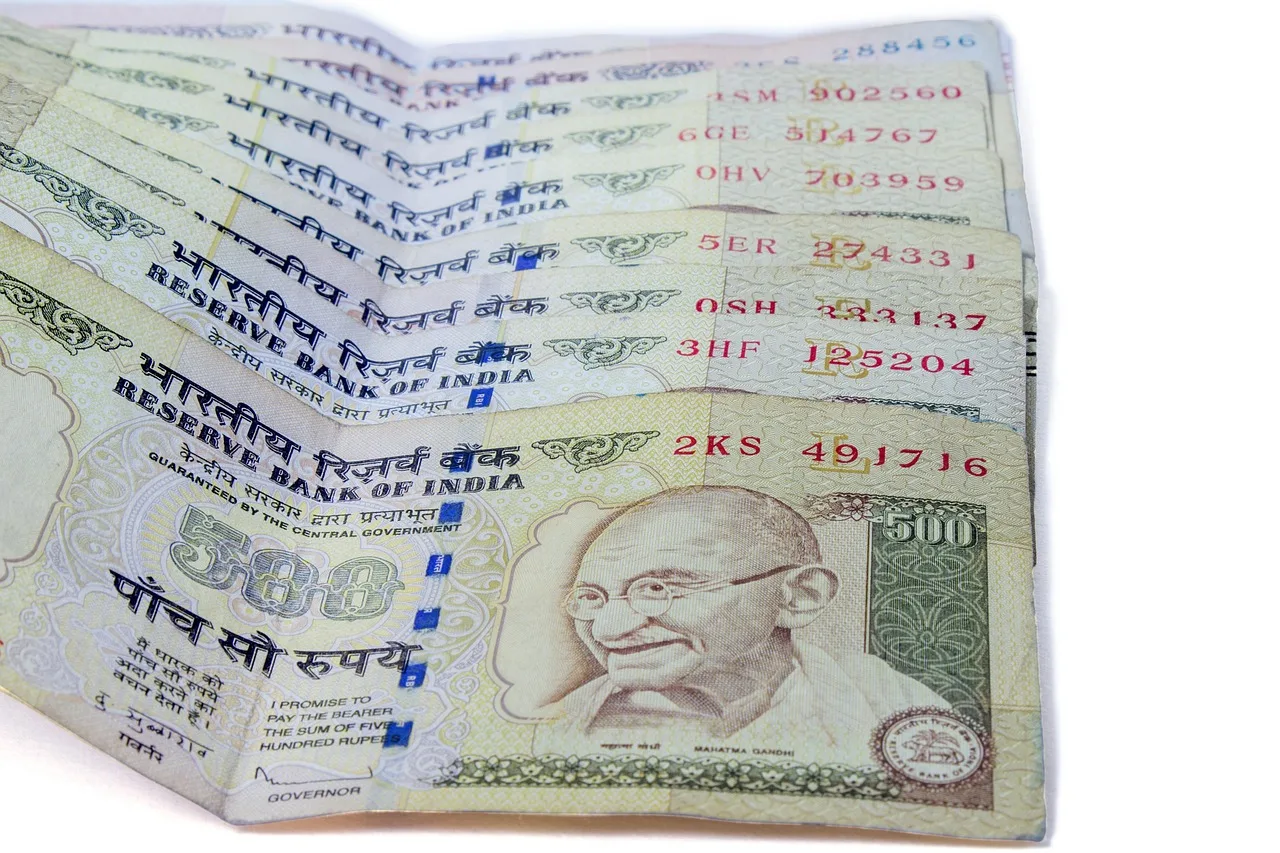





The latest Economic Survey, released by the Indian government this week, has issued a formal warning regarding the cooling trend in Foreign Direct Investment (FDI) and Foreign Institutional Investment (FII) flows, citing these shifts as significant headwinds for the national currency’s stability. As global geopolitical tensions persist and interest rates in developed economies remain elevated, policymakers are signaling a cautious outlook for capital inflows throughout the remainder of the fiscal year.
Understanding the Global Liquidity Crunch
Capital flows into emerging markets have faced considerable pressure over the past eighteen months. As central banks in the United States and Europe maintained restrictive monetary policies to combat inflation, global investors increasingly sought the safety of higher-yielding sovereign bonds in developed markets.
This “risk-off” sentiment has created a liquidity vacuum for developing economies, which rely on consistent foreign capital to fund domestic growth and bridge current account deficits. The Economic Survey highlights that this global tightening cycle has directly contributed to the deceleration of long-term capital commitments.
The Impact on Rupee Volatility
The stability of the Indian Rupee remains intrinsically linked to the volume of foreign capital entering the financial system. When FIIs pull capital out of local equity and debt markets, the increased supply of Rupees against the Dollar naturally exerts downward pressure on the currency.
While the Reserve Bank of India (RBI) has actively intervened in the foreign exchange market to manage volatility, the Survey suggests that relying solely on reserves is a finite strategy. Persistent outflows necessitate a more structural approach to attracting non-debt creating capital, such as long-term manufacturing investments.
Expert Perspectives and Data Analysis
Financial analysts note that the decline in FDI is not merely a cyclical trend but reflects a recalibration of global supply chains. According to data from the Department for Promotion of Industry and Internal Trade (DPIIT), there has been a noticeable shift in investor preference toward domestic consumption-led sectors, even as capital-intensive manufacturing deals face delays.
“The challenge is twofold,” says an independent market economist. “We are seeing both a reduction in global risk appetite and a growing competition among emerging markets to attract the same pool of shrinking capital. India must now compete on ease-of-doing-business metrics rather than just market potential.”
Strategic Implications for the Industry
For domestic businesses, the drying up of foreign capital means a higher cost of funding. Companies that previously relied on cheap external commercial borrowings (ECBs) are now finding that domestic credit is becoming more expensive as liquidity tightens.
Industries heavily dependent on imported raw materials are particularly vulnerable to currency depreciation. As the Rupee fluctuates, the cost of these imports rises, potentially squeezing profit margins and fueling imported inflation, which could complicate the central bank’s ability to lower domestic interest rates.
Looking Ahead: What to Monitor
Market watchers are now turning their attention to the upcoming Federal Reserve policy meetings, which will serve as a primary indicator for potential shifts in global capital flow directions. If U.S. interest rates begin to stabilize or decline, analysts expect a potential reversal of the current outflow trend, which could provide much-needed breathing room for the Rupee.
Furthermore, upcoming government policy announcements regarding production-linked incentives (PLI) will be critical. The success of these programs in attracting large-scale multinational manufacturing will determine whether India can decouple its currency stability from the volatility of short-term FII flows.