





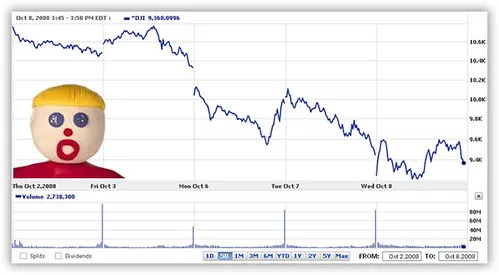
Corporate earnings reports for the third quarter of 2024 have begun to surface, revealing significant fiscal challenges that contradict the widespread optimism regarding a swift economic recovery. As major global firms disclose their performance figures this week, analysts are pivoting from growth-focused narratives to a more cautious outlook defined by cooling consumer spending, rising operational costs, and persistent geopolitical instability.
The Shift in Market Sentiment
For much of the first half of the year, investors operated under the assumption that inflation was receding and that global markets were positioned for a robust rebound. This consensus was fueled by resilient labor markets and steady, albeit slow, interest rate adjustments by central banks.
However, early data from Q3 earnings calls suggest that the anticipated momentum has stalled. Companies across the retail, manufacturing, and technology sectors are reporting thinner margins as they struggle to pass rising costs on to a more price-sensitive consumer base.
Identifying the Core Headwinds
A primary driver of the current downward trend is the tightening of household budgets. Data from the Bureau of Economic Analysis indicates that personal savings rates have dipped to multi-year lows, limiting the discretionary spending that previously buoyed retail earnings.
Simultaneously, supply chain volatility remains a persistent thorn in the side of multinational corporations. While global logistics have improved since the height of the pandemic, recent regional conflicts have forced companies to reroute shipments, leading to increased fuel costs and longer lead times for finished goods.
Expert Analysis on Economic Stagnation
Market strategists at leading financial institutions are now adjusting their year-end forecasts to reflect these emerging realities. Analysts at Goldman Sachs recently noted that earnings per share (EPS) growth for the S&P 500 is decelerating faster than historical averages for this stage of the business cycle.
“The disconnect between equity market valuations and the actual cost-of-goods-sold is widening,” says Sarah Jenkins, a senior macro-economist. “We are seeing a clear transition where companies can no longer rely on volume growth to mask the erosion of their operating margins.”
Broader Industry Implications
For the average reader, these trends signal a period of corporate belt-tightening that may manifest in several ways. Firms are increasingly prioritizing cost-reduction strategies, which often include hiring freezes, budget cuts for research and development, and a more aggressive stance on automation.
The tech sector, in particular, is undergoing a recalibration. After years of rapid expansion, capital allocation is now being scrutinized more heavily by shareholders who demand immediate profitability over long-term growth potential. This shift is likely to dampen the pace of innovation for non-essential digital services.
What to Watch Next
As the remainder of the earnings season unfolds, market participants should monitor guidance provided by CEOs for the final quarter of the year. If companies continue to revise their revenue projections downward, it may signal a broader contraction in capital investment heading into 2025.
Furthermore, upcoming central bank policy meetings will be critical. If inflation data continues to show stickiness in the face of slowing growth, policymakers will face the difficult task of balancing the need to curb price increases without stifling an already fragile economic recovery.