





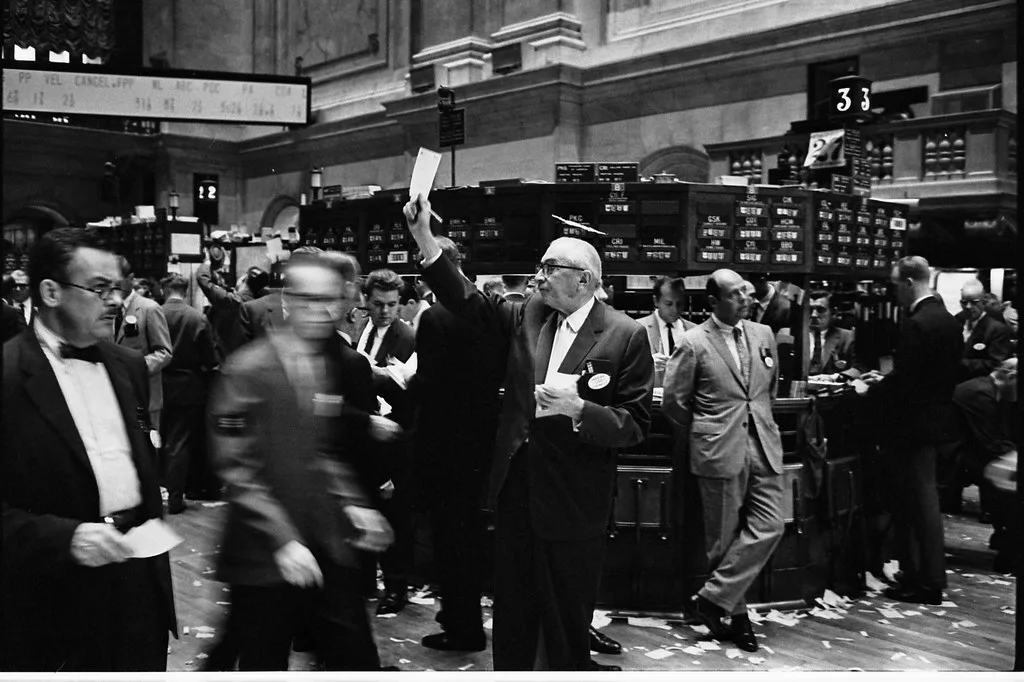
The Dow Jones Industrial Average surged nearly 900 points during Tuesday’s trading session as Wall Street investors expressed growing optimism regarding the potential for a formal peace agreement between the United States and Iran. Despite ongoing reports of localized violence in the Middle East, market participants appear to be prioritizing long-term diplomatic progress over short-term geopolitical volatility.
Context of Middle Eastern Market Volatility
For several months, conflict in the Middle East has acted as a primary driver of market uncertainty, contributing to spikes in oil prices and fluctuations in global equity indices. Investors have historically viewed the region’s instability as a significant threat to global supply chains and energy security.
However, recent signals from international diplomatic channels have suggested that back-channel negotiations are reaching a critical phase. This shift in sentiment has provided the catalyst for a broad market rally, as institutional investors move to price in the possibility of a return to regional stability.
Market Dynamics and Investor Sentiment
The 900-point gain represents a significant shift in risk appetite, as traders move away from defensive positions and into more cyclical sectors. Energy stocks, which typically thrive on regional instability, saw a slight pullback as the market anticipated a potential increase in Iranian oil supply following the lifting of sanctions.
Data from the Chicago Board Options Exchange (CBOE) shows a decline in the Volatility Index (VIX), suggesting that investors are increasingly confident that the diplomatic talks will yield tangible results. This decline in fear-based trading is a hallmark of a market that is beginning to look past immediate headlines in favor of structural economic improvement.
Expert Perspectives on the Rally
Financial analysts note that the rally is not merely a reaction to headlines but a reflection of suppressed expectations. “The market has been heavily discounted for months based on the premise that a full-scale conflict was inevitable,” said one senior market strategist at a leading investment firm.
Others caution that the rally remains fragile. While the optimism is palpable, market experts emphasize that the transition from a state of war to a state of peace is rarely linear. Any disruption to the current diplomatic timeline could lead to a swift reversal of these gains.
Implications for the Global Economy
A successful peace deal would likely have far-reaching implications for the global economy, most notably by stabilizing energy prices and reducing inflationary pressure. Lower oil prices would grant central banks more flexibility in their monetary policy, potentially signaling an end to the current high-interest-rate environment.
For the average investor, this suggests a period of potential growth, but also one requiring careful risk management. The correlation between geopolitical resolution and equity performance remains high, meaning that international news will continue to dictate market movements in the near term.
Looking ahead, market participants will be closely monitoring the specific terms of any proposed agreement, particularly regarding nuclear oversight and regional trade regulations. Observers should keep a close eye on upcoming diplomatic summits and official statements from both the U.S. State Department and Tehran, as these will provide the clearest indicators of whether the current market rally is built on a sustainable foundation or merely speculative hope.