









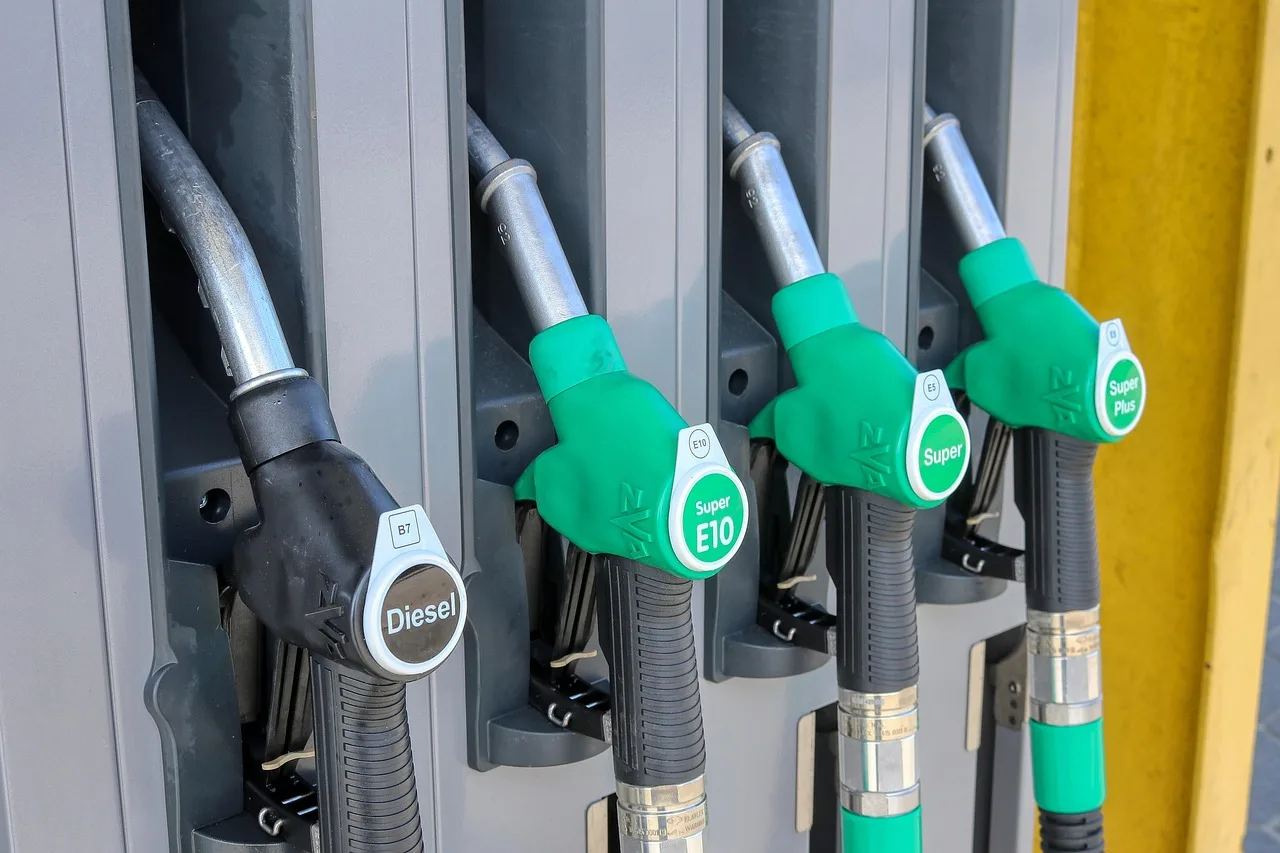
The Indian government has officially inaugurated the nation’s first E85 fuel station in Delhi, offering a high-ethanol blend at Rs 82.12 per litre. This strategic rollout, launched this week to reduce dependence on traditional fossil fuels, positions E85—a mixture of 85% ethanol and 15% gasoline—as a cost-effective alternative to standard E20 petrol.
Context and the Ethanol Mandate
For years, the Indian government has aggressively pursued a roadmap to increase ethanol blending in petrol to curb oil import bills and lower carbon emissions. While the current standard in most Indian petrol pumps is E20, the move to E85 represents a significant leap in the country’s biofuels strategy.
Ethanol, primarily derived from sugarcane and surplus food grains, is viewed as a cleaner-burning fuel compared to conventional hydrocarbons. By incentivizing the adoption of higher blends, the Ministry of Petroleum and Natural Gas aims to meet its ambitious net-zero targets by 2070.
Economic and Technical Considerations
At Rs 82.12 per litre, E85 is priced approximately Rs 20 lower than standard E20 petrol, offering immediate relief to motorists facing volatile global oil prices. However, experts note that consumer savings depend on vehicle compatibility and fuel efficiency.
Because ethanol has a lower energy density than gasoline, vehicles typically experience a slight reduction in mileage when using higher-ethanol blends. The Automotive Research Association of India (ARAI) suggests that while the per-litre cost is lower, the total cost per kilometer may fluctuate depending on the engine’s design and compression ratios.
Infrastructure Expansion Plans
The Delhi pilot program serves as the blueprint for a nationwide infrastructure overhaul. Government officials have confirmed an aggressive timeline for scaling, targeting 500 stations by the end of 2026.
The long-term vision is even more ambitious, with plans to establish 5,000 E85 stations by 2027. This rapid expansion requires significant investment in specialized storage tanks and fuel pumps, as high-ethanol fuels are more corrosive than standard petrol and require specific material compatibility.
Industry Implications
For the automotive sector, this shift necessitates a redesign of fuel systems for future models. Manufacturers must ensure that fuel lines, seals, and injectors are resistant to the higher solvent properties of ethanol to prevent degradation over time.
Agriculture, specifically the sugar and grain industries, stands to gain significantly from this demand surge. As the government pivots toward biofuel integration, farmers may see more consistent procurement cycles for ethanol feedstocks, potentially stabilizing rural incomes.
What to Watch Next
Industry analysts are now monitoring the adoption rates among commercial fleet operators, who are the most likely early adopters due to the potential for bulk fuel savings. The success of the Delhi station will likely determine the pace of investment for private oil marketing companies in the coming fiscal year.
Regulatory updates regarding vehicle retrofitting kits for older engines will also be a critical factor in determining how quickly the general public transitions to E85. Observers should look for upcoming policy announcements regarding subsidies for biofuel-compatible engine components and the potential for tax incentives for motorists switching to higher-blend fuels.