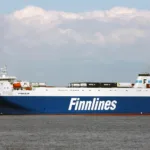




Global crude oil prices experienced a marginal decline on May 4, 2026, as markets reacted to signals from the U.S. government regarding potential military or logistical assistance for commercial vessels currently stranded in the Strait of Hormuz. Despite the slight softening in valuation, benchmark prices remained firmly anchored above the $100 per barrel threshold, reflecting persistent geopolitical anxieties surrounding the critical maritime chokepoint.
The Geopolitical Bottleneck
The Strait of Hormuz serves as the world’s most significant oil transit artery, with approximately 21 million barrels of petroleum passing through daily, according to data from the U.S. Energy Information Administration. Current tensions between the United States and Iran have effectively stalled transit, creating a supply bottleneck that has kept global energy markets on edge throughout the second quarter.
While diplomatic channels remain open, no substantive breakthrough has been achieved in ongoing bilateral talks. The inability to reach a resolution has forced shipping companies to reroute or pause operations, contributing to the sustained upward pressure on energy costs that has characterized the spring season.
Market Stability and Supply Concerns
Market analysts note that the recent price pullback is largely speculative, driven by the anticipation of U.S. naval assistance in clearing the transit lanes. However, the fundamental supply-demand imbalance persists, preventing a more significant correction in oil futures.
“The market is pricing in a ‘risk premium’ that won’t dissipate until physical flows return to pre-crisis levels,” says Sarah Jenkins, a senior energy strategist at Global Commodities Watch. Data from international shipping registries confirms that dozens of tankers remain anchored near the entrance to the Persian Gulf, waiting for safe passage guarantees that have yet to materialize.
Industrial and Consumer Implications
For the broader economy, maintaining crude prices above $100 per barrel presents a significant challenge to inflationary cooling efforts. Industries reliant on global logistics, particularly manufacturing and transportation, are already reporting increased operational expenditures passed down through supply chains.
Refining margins also face volatility as the market struggles to balance the high cost of crude with the fluctuating demand for finished fuels. Consumers are likely to see these costs reflected at the pump, with retail gasoline prices expected to maintain their current elevated trajectory for the foreseeable future.
Future Outlook
Market participants are now closely monitoring the U.S. Department of Defense for specific details regarding the scale and scope of the proposed maritime support operations. Observers should watch for any shifts in Iranian naval posture, as any escalation in response to U.S. intervention could trigger a sharp reversal in the current price softening. Furthermore, upcoming OPEC+ production quota discussions will serve as a secondary indicator of market sentiment, as member nations weigh the impact of regional instability against the need for stable global supply levels.