





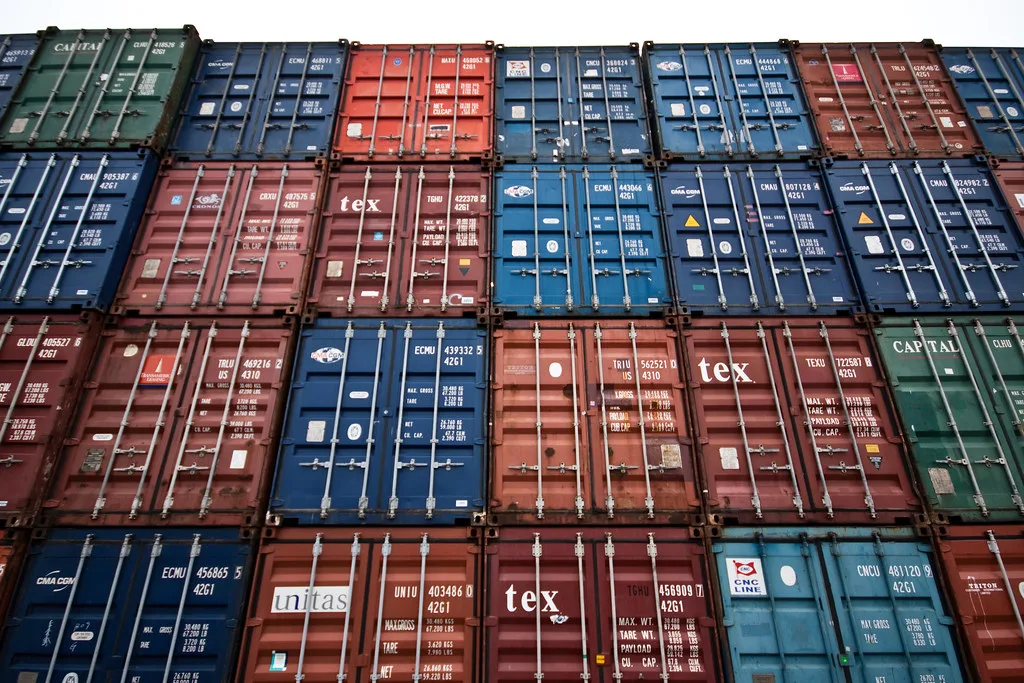
China’s exports surged by 14.1% in November compared to the previous year, according to data released by the General Administration of Customs on Friday. The unexpected jump in trade activity arrives just days before a critical summit between U.S. President Donald Trump and Chinese leader Xi Jinping in Beijing. This data signals sustained economic momentum in the world’s second-largest economy despite ongoing global trade tensions.
The Context of Global Trade Volatility
The latest figures arrive at a pivotal moment in international relations, characterized by shifting tariff policies and cooling global demand. For months, economists have monitored Chinese export health as a primary bellwether for global supply chain stability.
The upcoming meeting between President Trump and President Xi is widely viewed as a decisive moment for bilateral trade relations. Markets have remained sensitive to rhetoric surrounding protectionist measures, making this latest export performance a significant talking point for policymakers in both Washington and Beijing.
Analyzing the Export Surge
The 14.1% increase significantly outperformed analyst expectations, which had projected more modest growth amidst a cooling manufacturing sector. Analysts attribute this spike to a combination of seasonal demand, front-loading of orders, and a resilient appetite for Chinese consumer goods in key international markets.
Customs data indicates that the influx of foreign orders was particularly strong in the electronics and machinery sectors. Furthermore, the depreciation of the yuan against the dollar earlier this year has arguably made Chinese goods more competitively priced on the global stage, providing a temporary tailwind for exporters.
Expert Perspectives and Data Analysis
Financial analysts at major investment firms suggest that while the 14.1% figure is impressive, it may reflect a temporary inventory build-up by foreign buyers. “There is a clear trend of businesses rushing to fulfill orders before potential tariff escalations take hold,” noted one senior trade economist.
Data from the National Bureau of Statistics also shows that manufacturing sentiment remains in expansionary territory, albeit at a slower pace than previous quarters. This suggests that while current exports are robust, the underlying manufacturing base is navigating a complex landscape of rising domestic costs and tightening credit conditions.
Economic Implications and Future Outlook
For global industry leaders, the surge highlights the continued reliance on Chinese manufacturing hubs despite efforts by some multinational firms to diversify their supply chains. The immediate implication is a strengthening of China’s negotiating position as it heads into the summit with the United States.
Moving forward, market participants are shifting their focus to the post-summit communique for clues regarding potential trade concessions or further tariff implementations. Observers should monitor whether this export growth rate can be sustained through the first quarter of the coming year, or if the current figures represent a final push before a period of cooling demand. The durability of these numbers will depend heavily on the outcome of the upcoming diplomatic discussions and any subsequent changes to the international trade policy framework.