





China reported a 5% increase in export prices this April, marking the fastest rate of growth since 2023, according to recent trade data. The surge, fueled by rising energy costs and an insatiable global demand for semiconductors, signals a significant shift in the world’s manufacturing supply chain dynamics.
Contextualizing the Trade Shift
For the past two years, China has largely acted as a deflationary force for the global economy, as manufacturers absorbed costs to maintain market share. However, the recent price hike reflects a convergence of geopolitical tensions and technological infrastructure demands that have finally forced Chinese exporters to adjust their pricing models.
Energy markets have been particularly volatile, with the ongoing conflict in the Middle East driving up oil prices. Because energy is a critical input for both manufacturing production and the logistics of shipping goods globally, Chinese firms have seen their operational overhead climb rapidly throughout the first quarter of the year.
The AI Catalyst
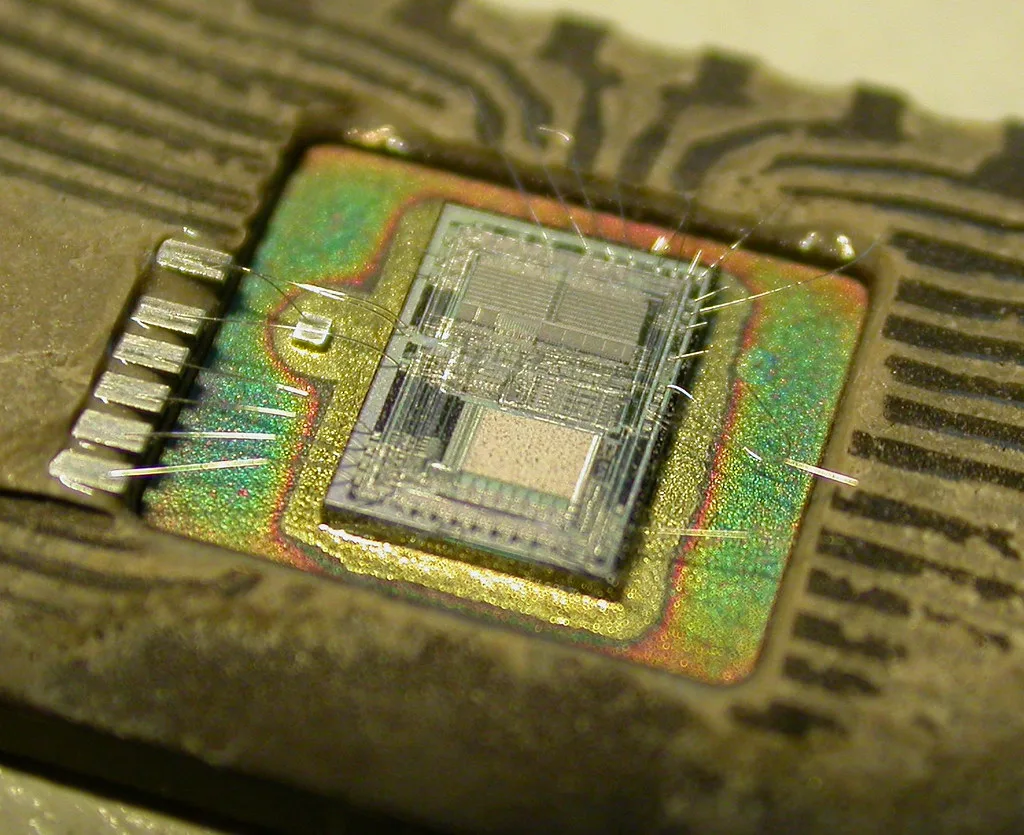
Beyond energy, the rapid expansion of artificial intelligence infrastructure is playing a pivotal role in these rising costs. As global tech giants scramble to build out data centers and AI-capable hardware, the demand for advanced microchips has outpaced supply.
China remains a critical link in the electronics value chain, and the premium being paid for specialized components is inflating the overall price index for exported goods. Industry analysts note that this is not merely a reflection of higher raw material costs, but a shift in market power as demand for high-end tech components remains inelastic.
Expert Analysis and Market Data
Economic experts suggest that this price increase could be the start of a broader trend of ‘re-inflation’ in exported goods. Data from the Chinese Ministry of Commerce indicates that while export volumes remain steady, the value-per-unit has reached levels not seen since the post-pandemic recovery period.