





Early-stage venture capital firms, including Benchmark, Foundation Capital, and Eclipse, are poised to secure billions of dollars in returns following the decade-long development of Cerebras Systems. As the AI chipmaker moves toward a public market debut, this windfall highlights the immense valuation growth of specialized hardware companies within the generative AI boom.
The Long Road to Silicon Success
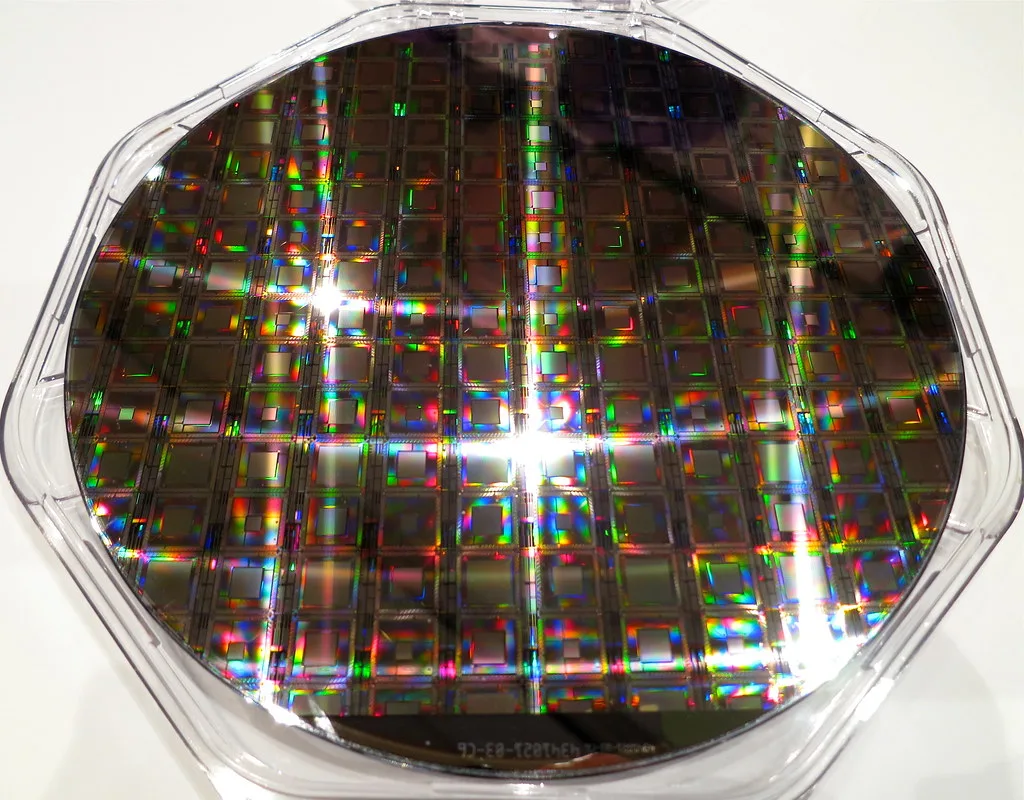
Founded in 2016, Cerebras Systems emerged with a singular focus: designing massive, wafer-scale processors specifically engineered to accelerate artificial intelligence workloads. Unlike traditional GPU manufacturers, the company chose to rethink the fundamental architecture of computing chips to handle the complex memory requirements of large language models.
For years, the company operated in relative obscurity, burning through capital to perfect its proprietary technology. Early backers remained committed, providing the necessary liquidity to navigate the high-cost environment of semiconductor research and development, which typically demands significant patience compared to software-based startups.
Market Dynamics and AI Infrastructure
The surge in interest surrounding Cerebras is directly tied to the global scramble for compute power. As companies like OpenAI and Anthropic push the boundaries of model size, the demand for high-performance training hardware has outstripped the available supply, placing companies like Cerebras in a prime position.
Industry analysts point to the company’s Wafer Scale Engine as a technological differentiator. By utilizing the entire silicon wafer as a single chip, Cerebras achieves communication speeds that traditional multi-chip clusters struggle to match, offering a distinct advantage in training speed and efficiency.
Expert Perspectives on Venture Returns
Data from market research firms suggests that the semiconductor sector has seen a surge in investment interest not seen since the early 2000s. Venture capital firms that took early risks on infrastructure-heavy hardware are now seeing those bets pay off as the market shifts from software-centric AI to hardware-dependent execution.
Financial experts note that the success of these early investors serves as a blueprint for future deep-tech funding. The ability to sustain a company through a ten-year development cycle requires a rare alignment between founders and institutional investors, especially when facing incumbents with significantly larger R&D budgets.
Future Implications for the Semiconductor Industry
The substantial returns generated by this exit are expected to trigger a wave of renewed interest in hardware-focused venture capital. As the AI infrastructure layer matures, investors are likely to pivot from general-purpose software models to specialized hardware solutions that promise lower energy consumption and faster processing times.
Observers should watch closely for how the company manages the transition from private equity support to public market scrutiny. The long-term viability of their wafer-scale architecture will ultimately be tested by its ability to scale production and compete with the established dominance of industry giants in a rapidly evolving, high-stakes market.