





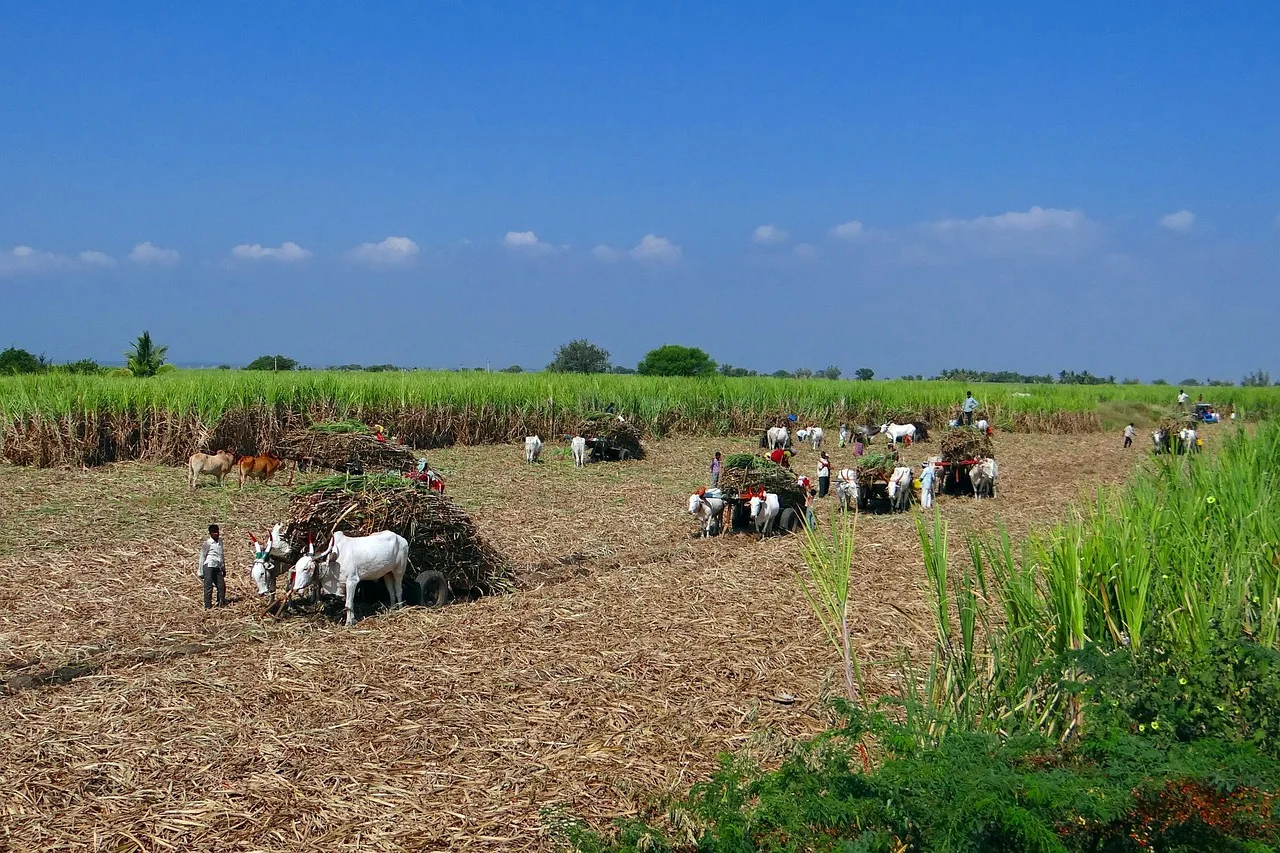
The Indian government has officially withdrawn its controversial draft Sugarcane (Control) Order this week, bowing to intense pressure from farmers’ unions and small-scale khandsari manufacturers. The proposed legislation sought to overhaul the 60-year-old regulatory framework governing the sugar industry by expanding state oversight to include the ethanol production and khandsari (unrefined sugar) sectors.
Background of the Regulatory Shift
For over six decades, the Sugarcane (Control) Order of 1966 has served as the primary legal instrument for managing the production, pricing, and distribution of sugarcane in India. The government’s intent behind the proposed update was to streamline the supply chain and integrate emerging biofuels into the formal regulatory landscape.
However, the move was met with immediate resistance from stakeholders in the decentralized sugar sector. Industry analysts note that khandsari units—small-scale operations that process sugarcane into jaggery or low-grade sugar—operate on thin margins and often function outside the rigid compliance structures required of large-scale sugar mills.
Points of Contention
The primary concern raised by farmers was the potential for increased bureaucratic interference in their ability to sell cane to local processors. Farmers argued that bringing khandsari units under the same strict regulatory umbrella as large mills would drive down the purchase price of their crop by limiting the number of buyers in the market.
Data from the Ministry of Consumer Affairs, Food and Public Distribution indicates that the ethanol sector has seen a massive surge in investment over the last five years. While the government aimed to standardize this growth, industry experts warned that the draft order lacked the flexibility needed to accommodate the unique challenges faced by smaller, regional players.
Expert Perspectives
Agricultural economists suggest that the withdrawal highlights the complexities of modernizing an industry deeply rooted in traditional farming practices. Dr. Rajesh Kumar, an analyst specializing in rural supply chains, stated that “centralized control often struggles to capture the nuance of localized agricultural economies.”
Furthermore, industry reports indicate that the khandsari sector provides essential employment in rural pockets where large sugar mills are not economically viable. By attempting to force these units into a standardized framework, the government inadvertently risked destabilizing a key source of rural income.
Future Implications
The decision to scrap the draft order signals a temporary return to the status quo, but the need for updated regulations remains a topic of debate. The government now faces the challenge of drafting new legislation that balances industrial growth with the protection of small-scale producers.
Industry watchers should monitor upcoming consultations between the Ministry and state-level agricultural boards. Future attempts at reform will likely focus on creating separate, tiered regulatory categories rather than a blanket approach for all sugar-related activities.