



Following the conclusion of the formal Met Gala exhibition opening at the Metropolitan Museum of Art in New York City this Monday, the city’s elite transitioned to a series of high-profile after-parties that extended well into the early morning hours. These private gatherings, hosted at exclusive venues across Manhattan, served as the unofficial second act of fashion’s most significant night, allowing celebrities, designers, and industry insiders to trade structured couture for more fluid, expressive style.
The Evolution of the Met Gala Night
The Met Gala has long served as the primary fundraiser for the Costume Institute, but its cultural footprint has expanded significantly over the last decade. While the red carpet at the museum remains the focal point for global media, the after-parties have evolved into critical networking hubs where the rigid protocols of the main event give way to spontaneity.
Historically, these celebrations were smaller, intimate affairs. In recent years, however, they have transformed into massive, curated experiences featuring world-class musical performances and high-budget production designs that rival the gala itself.
A Study in Stylistic Contrast
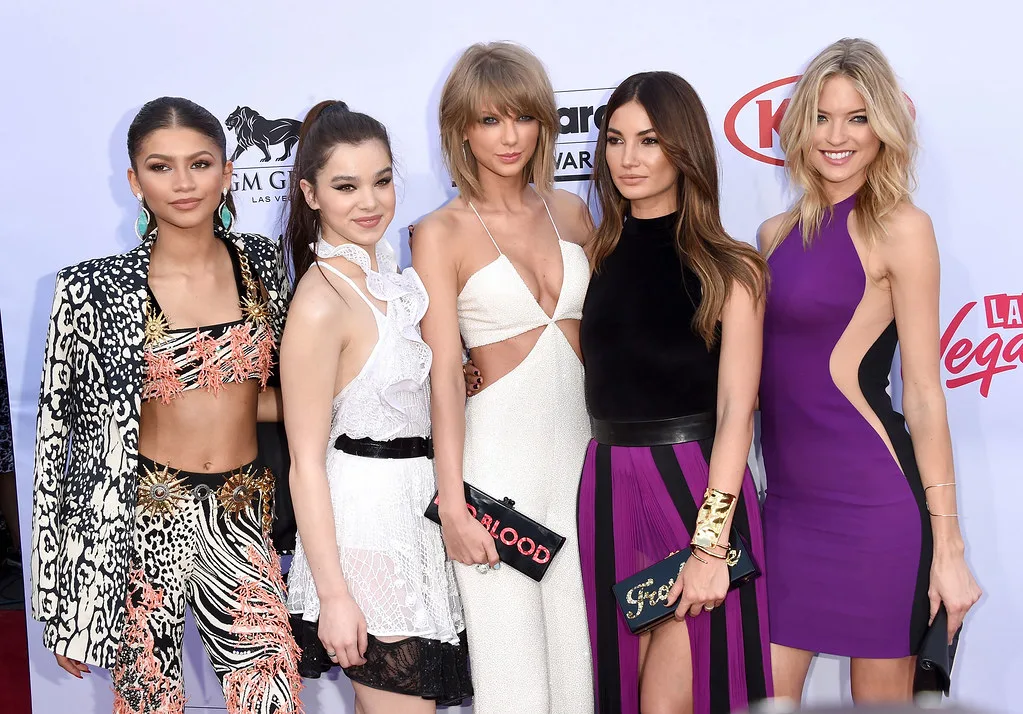
The shift in attire between the museum steps and the late-night venues highlights a growing trend in celebrity fashion: the ‘second look.’ Attendees often coordinate with their styling teams to ensure their after-party ensembles complement their primary red-carpet theme while offering greater mobility and comfort.
Designers utilize these events as opportunities to showcase experimental silhouettes that might be too unconventional for the formal gala entrance. This year, observers noted a surge in vintage-inspired streetwear and metallic accents, signaling a departure from the traditional ballgown aesthetic that dominated earlier in the evening.
Industry Impact and Economic Influence
The economic impact of these events is substantial, involving complex logistical coordination between security firms, hospitality venues, and private transportation services. Industry analysts estimate that the combined expenditures for after-party planning, venue rentals, and staffing reach millions of dollars annually.
According to data from social media analytics firms, the after-party content generates nearly as much digital engagement as the main gala itself. This creates a secondary marketing cycle that extends the event’s visibility across global platforms for several days following the initial broadcast.
Future Implications for Fashion Events
Looking ahead, the lines between the primary event and the after-party will likely continue to blur. Industry insiders predict that brands will increasingly prioritize the ‘after-party look’ in their marketing budgets, recognizing that these candid, high-energy moments are often the images that resonate most with younger audiences.
As digital coverage shifts toward real-time, behind-the-scenes content, the demand for exclusive, unfiltered access will likely drive even higher production values for these private gatherings in the coming years. Observers should monitor how luxury labels integrate these late-night events into their broader seasonal strategies to capture sustained consumer attention.