





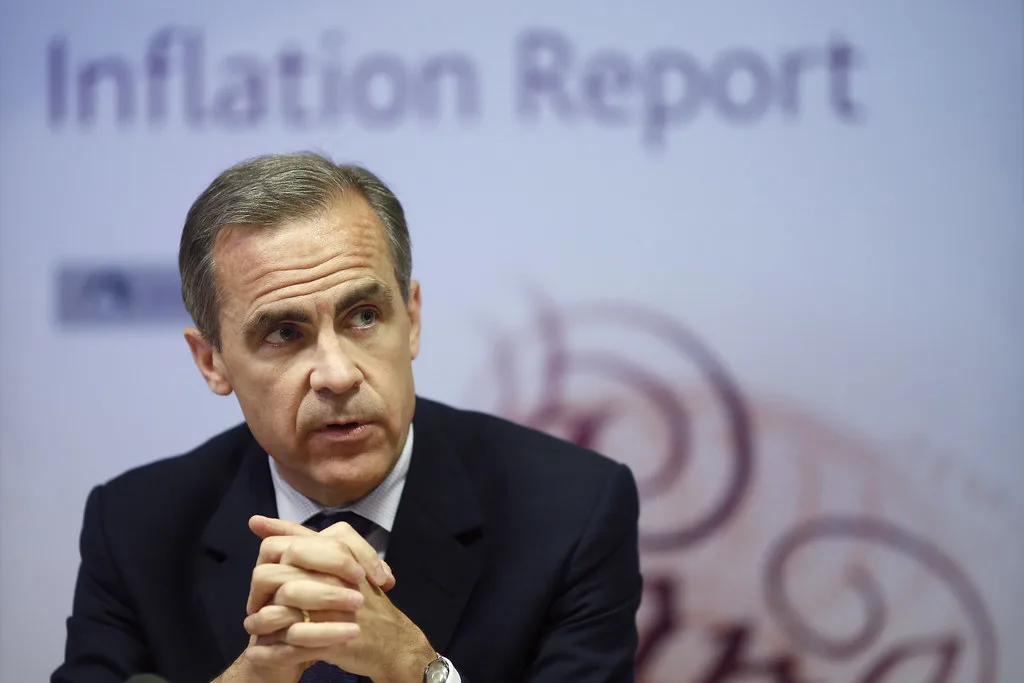
Bank of England Governor Andrew Bailey announced on May 29 that the central bank will temporarily tolerate inflation levels exceeding its 2 percent target to mitigate the economic fallout from the escalating conflict in the Middle East. Speaking at the Reykjavik Economic Conference, Bailey identified the regional instability as the primary driver behind recent global oil and gas price surges, which have significantly hindered supply chains and damaged critical energy infrastructure.
The Anatomy of a Global Supply Shock
The current geopolitical volatility in the Middle East has disrupted transit through the Strait of Hormuz, a vital maritime chokepoint for global energy markets. This disruption has triggered a classic negative supply shock, forcing central banks worldwide to recalibrate their monetary policy strategies. Before the conflict intensified in February, the United Kingdom was successfully trending toward its 2 percent inflation mandate, demonstrating a period of relative price stability.
Economic data indicates that the sudden spike in energy costs has shifted the Bank of England’s immediate priority from strict inflation targeting to economic stabilization. By allowing inflation to run hotter, the central bank aims to prevent the aggressive interest rate hikes that could otherwise plunge the UK economy into a deeper recession during a period of external pressure.
Expert Analysis of Monetary Policy
Financial analysts note that central banks are currently caught in a narrow corridor between curbing price growth and supporting domestic economic activity. While standard economic theory suggests that rising inflation requires higher interest rates, the nature of this crisis is supply-driven, meaning interest rates have limited efficacy in lowering energy prices.
Economists from the London School of Economics suggest that Bailey’s pragmatic approach acknowledges the limits of monetary policy in the face of geopolitical instability. They argue that attempting to force inflation down through austerity measures during a supply-side crisis would likely cause unnecessary damage to employment and business investment.
Industry and Consumer Implications
For the average UK consumer, this policy shift suggests that the cost of living—particularly regarding heating and transportation—will remain elevated for the foreseeable future. Businesses are similarly bracing for sustained high input costs as global logistics routes remain compromised by the ongoing regional tensions.
The broader implications for the UK financial sector include a period of heightened uncertainty regarding future interest rate decisions. Markets are now pricing in a more cautious approach from the Monetary Policy Committee, as members weigh the risk of persistent inflation against the risk of stifling economic growth.
Moving forward, analysts will be watching the upcoming monthly inflation reports and energy price indices to determine if the Bank of England’s tolerance threshold holds firm. Observers should also monitor regional developments in the Middle East, as any further disruption to energy infrastructure could force the central bank to reconsider its current strategy if price increases threaten to become deeply embedded in the wider economy.