



Central Bank Intervention
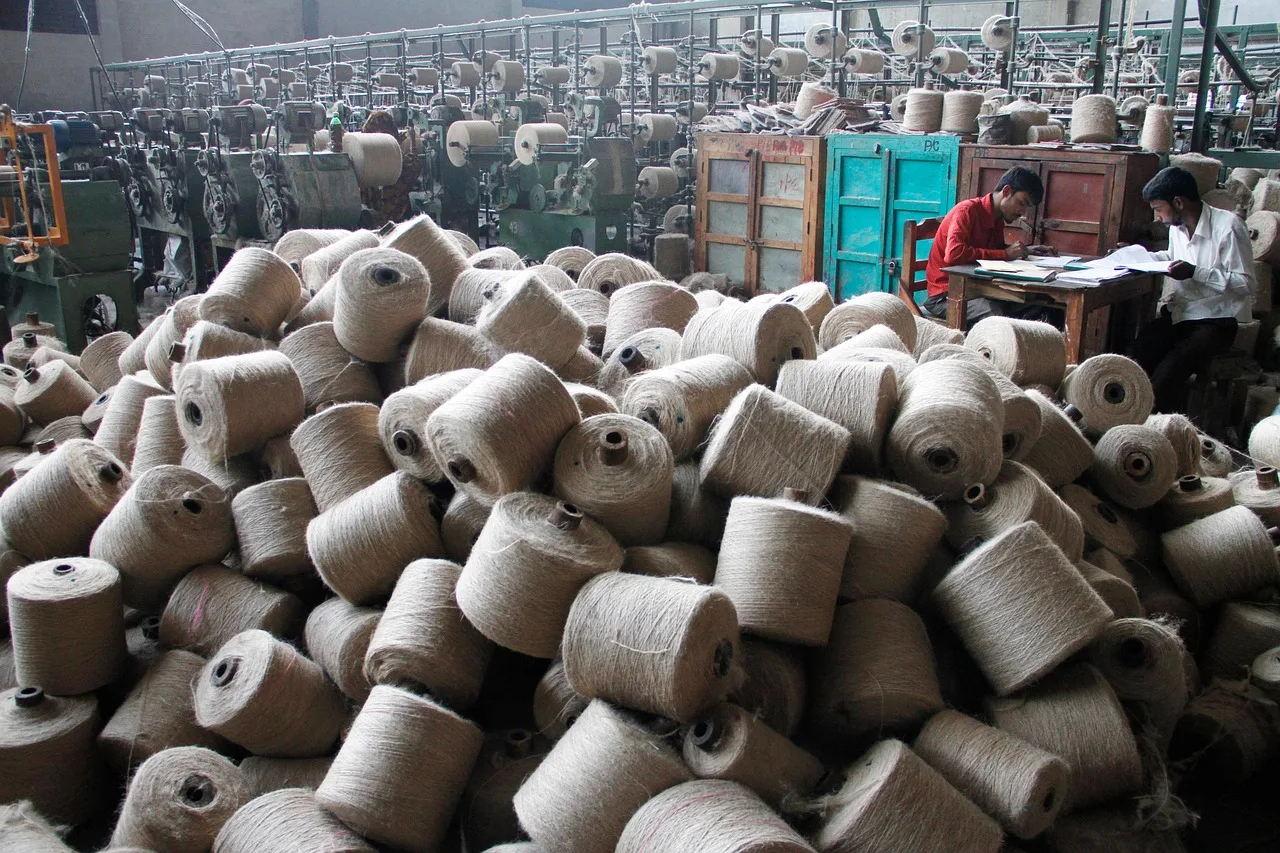
Bangladesh Bank (BB) Governor Md Mostaqur Rahman announced a 60,000 crore taka ($4.9 billion) stimulus package on Saturday in Dhaka, aimed at revitalizing the nation’s shuttered industrial facilities. This strategic financial injection seeks to jumpstart stagnant production lines while officials project the creation of approximately 2.5 million new jobs across the country.
Economic Context and Challenges
The initiative arrives as Bangladesh navigates two years of intense macroeconomic strain characterized by persistent dollar shortages and volatile global commodity prices. The nation’s foreign exchange reserves have faced significant downward pressure, while the taka has struggled against a backdrop of rising import bills and geopolitical instability.
Key sectors, most notably the ready-made garment industry—the primary driver of the country’s export earnings—have weathered a perfect storm of slowing international demand and domestic energy shortages. These factors have forced numerous small and large-scale factories to cease operations, leaving a substantial portion of the workforce unemployed.
Structure of the Stimulus Package
The stimulus package is split into two distinct financial mechanisms to ensure capital reaches vital sectors. A 41,000 crore taka refinancing fund will be sourced from commercial banks holding excess liquidity, requiring long-term deposits of at least three years at a 10 percent interest rate.
The remaining 19,000 crore taka will be drawn directly from the central bank’s own resources, backed by a government guarantee. Of the refinancing component, 20,000 crore taka is strictly earmarked for the reopening of closed factories, while the remainder is divided among agricultural development, the cottage and micro-enterprise sector, and export diversification initiatives.
Expert Perspectives
Economists view the move as a necessary intervention to prevent further industrial erosion, though they caution that the success of the program hinges on effective distribution. By targeting the North Bengal Agricultural Hub and pre-shipment credit, the central bank is attempting to stabilize both the industrial supply chain and the rural economy simultaneously.
The inclusion of 10 targeted schemes within the central bank’s own fund reflects a broader effort to foster entrepreneurship. These schemes prioritize sectors ranging from startup ventures to overseas employment support, signaling a shift toward diversifying the nation’s economic base beyond traditional garment exports.
Future Implications
For the manufacturing sector, this liquidity injection provides a critical window to upgrade infrastructure and settle outstanding liabilities that have hindered production. Industry observers will be watching closely to see how quickly the funds reach the ground level and whether these capital infusions can effectively overcome the persistent energy supply challenges currently plaguing the sector.
Looking ahead, the central bank’s ability to manage inflationary pressures while deploying this capital will be the primary indicator of the program’s long-term sustainability. The market will monitor the next quarterly performance reports to determine if factory reopenings lead to a measurable improvement in national export volume and labor market participation.


