




Major automotive manufacturers are signaling a strategic pivot toward the mass-market segment in response to the Prime Minister’s recent push for electric vehicle (EV) adoption. Industry leaders confirmed this week that the primary pathway to increasing domestic EV penetration lies in delivering affordable models priced under ₹12 lakh, aiming to convert middle-class commuters to sustainable transportation.
The Shift Toward Mass-Market Accessibility
For several years, the Indian electric vehicle market has been dominated by premium offerings and luxury segments, which limited the total addressable market. Automakers are now recalibrating their production lines to address the sub-₹12 lakh price bracket, which historically accounts for the highest volume of annual car sales in the country.
This strategic shift aligns with government initiatives designed to reduce fossil fuel dependency and incentivize domestic manufacturing under the FAME (Faster Adoption and Manufacturing of Hybrid and Electric Vehicles) framework. By focusing on entry-level and mid-range electric hatchbacks and compact SUVs, companies aim to lower the barrier to entry for the average household.
Economic Drivers and Infrastructure Constraints
The push for widespread EV adoption is supported by data from the Society of Indian Automobile Manufacturers (SIAM), which indicates that while EV sales have grown, they still represent a small fraction of total passenger vehicle sales. Industry experts emphasize that price sensitivity remains the most significant hurdle for consumers transitioning away from internal combustion engines.
“The real opportunity for EV growth lies in the mass-market segment,” noted an industry spokesperson during a recent trade conference. While battery costs have historically been the primary driver of high vehicle prices, localized supply chains and increased production scale are beginning to exert downward pressure on costs.
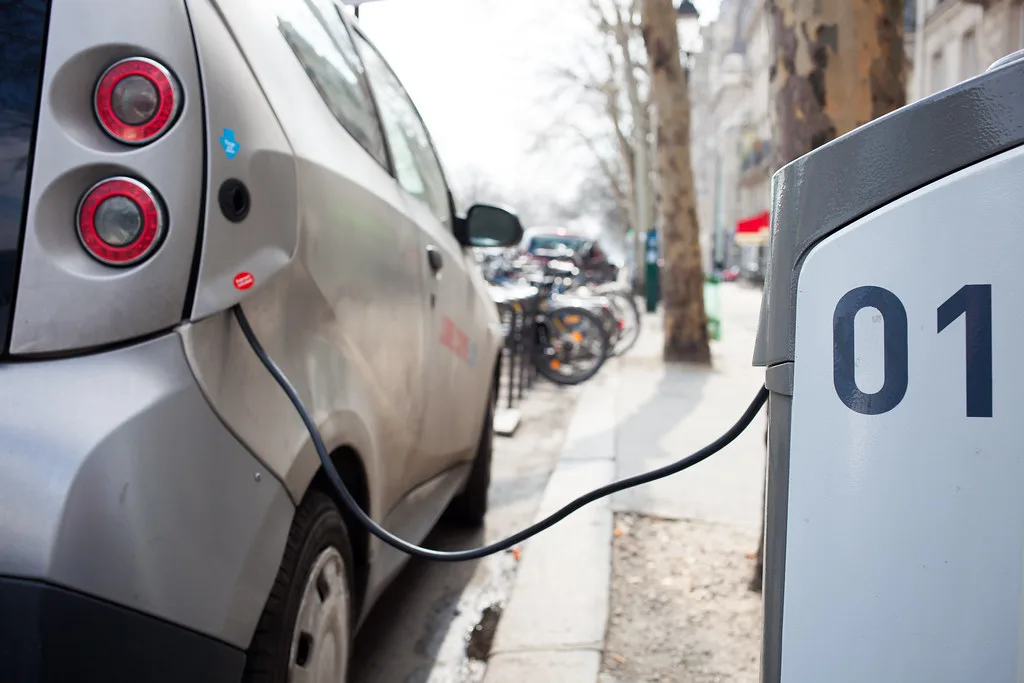
However, manufacturers acknowledge that price is only one part of the equation. The availability of charging infrastructure, particularly in Tier-2 and Tier-3 cities, remains a critical requirement for mass-market success. Without a robust network of fast-charging stations, consumer range anxiety continues to dampen the appeal of affordable electric models.
Industry Implications and Future Outlook
For the automotive industry, this pivot represents a long-term investment in market share. Companies that successfully introduce reliable, sub-₹12 lakh electric vehicles stand to capture a massive segment of first-time car buyers who are increasingly conscious of rising fuel costs and environmental impact.
Analysts suggest that the next 18 to 24 months will be decisive as manufacturers roll out new platforms specifically engineered for cost-efficiency. Investors and stakeholders are closely watching the progress of battery technology localization, as the cost of lithium-ion cells remains the single largest variable in achieving the necessary price parity with petrol and diesel vehicles.
Moving forward, the focus will shift toward the expansion of public charging networks and the implementation of state-level subsidies. Observers should monitor upcoming policy announcements regarding potential extensions of manufacturing incentives, as these will likely determine the speed at which automakers can scale their affordable EV portfolios to meet the projected demand.